

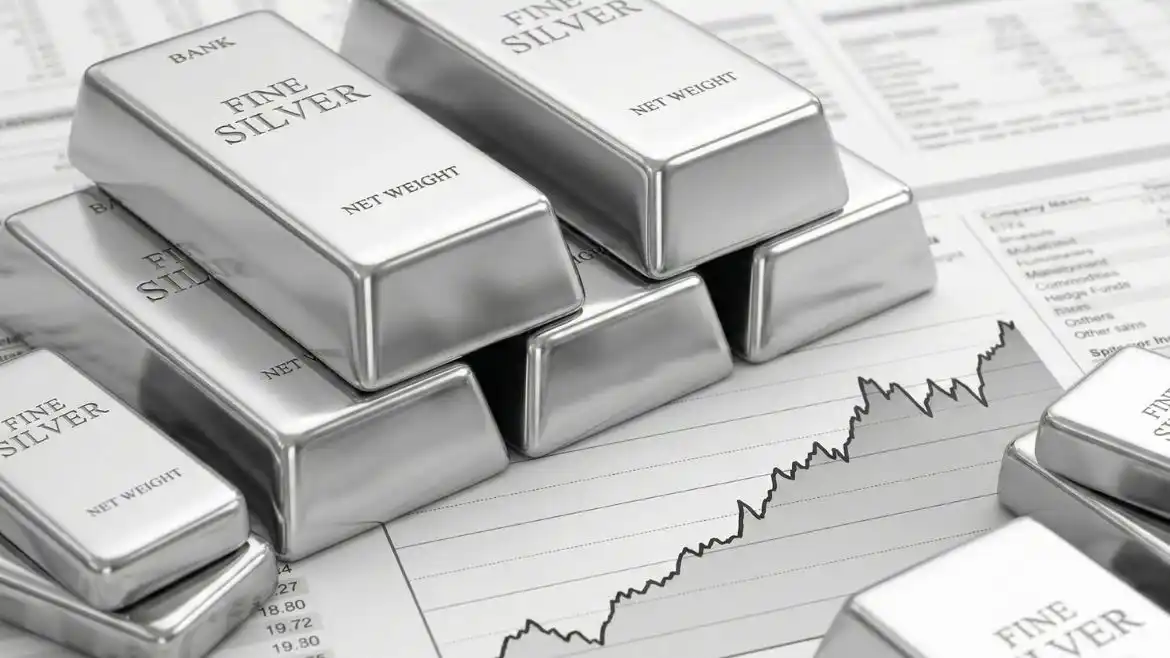
This comprehensive guide analyzes the unprecedented volatility of the silver price in late 2025. We explore the dramatic climb to $80 per ounce, the subsequent sharp reversal, and the warnings issued by industry titans like Elon Musk. Whether you are an investor looking to buy or just curious about the market chaos, this article breaks down the supply squeezes, geopolitical factors, and industrial demands driving the frenzy.
Table of Contents
- Introduction
- The Historic Surge: Breaking the $80 Barrier
- The Great Reversal: Understanding the Crash
- Elon Musk’s Warning and Industrial Impact
- Factors Driving the Silver Price Volatility
- Buying Silver: Is Now the Right Time?
- Comparing Gold and Silver Prices
- Conclusion
- Frequently Asked Questions (FAQs)
Introduction
If you have been watching the financial news lately, you know that the silver price has been nothing short of a spectacle. In late December 2025, the precious metals market witnessed a historic event that left seasoned investors and casual observers alike in shock. Silver, often the more volatile cousin of gold, didn’t just climb; it rocketed to an all-time high, briefly topping $80 an ounce before tumbling back down in a dizzying display of market mechanics.
For everyday Americans, these fluctuations aren’t just numbers on a ticker; they impact everything from the cost of jewelry to the price of electronics and solar panels. With billionaires like Elon Musk weighing in on the supply crunch and new export limits from China looming, the landscape for silver is changing rapidly. This article peels back the layers of the recent mania, explaining why the silver price is behaving this way and what it means for the economy and your wallet going forward.
The Historic Surge: Breaking the $80 Barrier
For decades, silver bugs have dreamed of the metal breaking its 1980 and 2011 highs. In late 2025, that dream became a reality—and then some. The silver price momentum began building earlier in the year, but the final week of December saw a parabolic move that stunned Wall Street.
The Catalyst
Several factors converged to push the silver price into the stratosphere. A perfect storm of weakening currency, aggressive buying by central banks, and a sudden panic over industrial shortages ignited the rally.
- FOMO (Fear Of Missing Out): As the price began to tick upward, retail investors piled in, hoping to catch the next big wave.
- Short Squeezes: Large institutional traders who had bet against silver were forced to cover their positions, buying back stock at higher prices and fueling the fire.
The $80 Moment
When the Silver price $80 milestone was breached, it marked a psychological turning point. Headlines flashed across global financial networks. It wasn’t just a commodity anymore; it was the hottest asset on the planet. For a brief window, silver was outperforming crypto, tech stocks, and even gold.
The Great Reversal: Understanding the Crash
As the old saying goes, “The candle that burns twice as bright burns half as long.” Just as quickly as it ascended, the silver price faced a brutal reality check. The dramatic Silver price reversal that occurred overnight left many latecomers holding the bag.
Why Did It Drop?
Profit-taking was the primary culprit. Investors who had bought in at $30 or $40 saw their investment double and decided to cash out. When everyone rushes for the exit at the same time, the price collapses.
- Liquidity Crunch: As sell orders flooded the market, there weren’t enough buyers at those stratospheric levels to absorb the supply.
- Technical Corrections: Markets rarely move in a straight line. After such a vertical ascent, a pullback was statistically inevitable.
Reports of a Silver market crash today (referring to the days following the peak) filled social media feeds. However, veterans of the metals market know that volatility is the price of admission for silver. While the drop was sharp, the price remained significantly higher than where it started the year, suggesting that the long-term trend might still be intact despite the short-term carnage.
Elon Musk’s Warning and Industrial Impact
One of the most significant voices to enter the conversation was Elon Musk. The Tech billionaire took to X (formerly Twitter) to express grave concerns about the soaring silver price. His interest isn’t speculative; it’s practical. Silver is a critical component in the manufacturing of electric vehicles (EVs) and solar panels—two industries Musk dominates.
The “Not Good” Tweet
Musk stated plainly that the price surge was “not good” for manufacturers. An Elon Musk silver warning carries weight because it highlights the disconnect between financial speculation and industrial reality.
- Cost of Production: If silver remains expensive, the cost to build Teslas and solar roofs increases.
- Supply Chain Shocks: Musk alluded to potential shortages, exacerbated by China’s upcoming export limits on critical minerals.
If the silver price stays elevated, companies may be forced to pass those costs on to consumers, leading to higher prices for green technology and electronics. This tension between silver as an investment vehicle and silver as an industrial ingredient is defining the current market cycle.
Factors Driving the Silver Price Volatility
To understand where the silver price might go next, we have to look at the engines driving the volatility. It is rarely just one thing; rather, it is a complex web of global events.
China’s Export Limits
A major driver of the panic buying was the announcement of new export restrictions from China, a major processor of silver. Fear that the global supply chain would be cut off sent manufacturers scrambling to secure physical inventory, driving the silver spot price higher.
Interest Rates and Inflation
The Federal Reserve’s monetary policy continues to play a massive role. With expectations of rate cuts in 2026, the dollar has weakened. Since silver is priced in dollars, a weaker dollar usually makes it cheaper for foreign buyers, boosting demand. Furthermore, investors often view silver as a hedge against inflation. If they believe their cash is losing value, they swap it for hard assets.
The Green Energy Boom
We cannot ignore the structural demand. The global push for renewable energy is hungry for silver. Solar photovoltaic cells use a significant amount of the white metal. As countries strive to meet carbon-neutral goals, the industrial demand for silver is hitting record levels, creating a floor under the silver price even during corrections.
Buying Silver: Is Now the Right Time?
With the silver price fluctuating so wildly, many Americans are asking if they should get involved. Buying silver can be a way to diversify a portfolio, but it requires a stomach for risk.
Physical vs. Paper Silver
- Physical Silver: Buying coins or bars gives you tangible assets. However, during a price spike, premiums (the fee over the spot price) can skyrocket. You might pay $5 or $10 over the silver price today just to get your hands on physical metal.
- ETFs and Stocks: These allow you to track the price without storing heavy bars. They offer more liquidity, meaning you can sell them instantly during market hours.
The Danger of FOMO
Financial advisors often warn against chasing “green candles.” If you buy when the silver price is at an all-time high, you risk seeing your investment shrink during a correction. The key is dollar-cost averaging—buying small amounts over time—rather than dumping your life savings in during a mania phase.
Comparing Gold and Silver Prices
While silver has been grabbing the headlines, the relationship between gold and silver prices remains a key indicator for analysts. This is often tracked via the Gold/Silver Ratio (GSR), which measures how many ounces of silver it takes to buy one ounce of gold.
Historically, when the silver price rises, it tends to rise faster than gold. Conversely, when it falls, it crashes harder. Gold is viewed as the “adult in the room”—stable, reliable, and a store of value. Silver is the teenager—energetic, erratic, and prone to extreme mood swings.
- Safe Haven: During geopolitical instability, investors flock to gold.
- Industrial Play: When the economy is booming (or when specific industries like tech are growing), silver often shines.
In late 2025, both metals hit record highs, but silver’s percentage gain dwarfed that of gold, highlighting the speculative fervor currently gripping the white metal.
Conclusion
The recent saga of the silver price hitting $80 and then reversing is a textbook example of market psychology and supply-demand economics colliding. While the immediate crash brought pain to some traders, the underlying story is far from over. Industrial demand is growing, geopolitical tensions are tightening supply lines, and billionaires are sounding the alarm.
For the average person in the USA, this volatility serves as a reminder of how interconnected the global economy is. A decision in Beijing or a tweet from a billionaire in Texas can ripple through the markets and change the value of the coins in your pocket. Whether the silver price stabilizes or prepares for another leg up remains to be seen, but one thing is certain: silver is no longer flying under the radar.
Frequently Asked Questions (FAQs)
Q: What is the highest silver price in history? A: In late December 2025, the silver price briefly topped $80 per ounce, setting a new nominal all-time high before reversing. Prior to this, the major peaks were around $50 in 1980 and 2011.
Q: Why is the silver price dropping? A: The sudden drop after hitting $80 was largely due to profit-taking by traders and a “liquidity crunch” where there were no longer enough buyers to sustain the high prices.
Q: Is silver a good investment in 2025? A: Silver can be a hedge against inflation and a play on green energy demand. However, the extreme volatility of the silver price means it carries significant risk compared to other assets.
Q: How does Elon Musk influence silver prices? A: Elon Musk’s companies, Tesla and SpaceX, are major consumers of silver. When he warns about supply shortages or high prices, markets react because it signals potential real-world industrial scarcity.
Q: Where can I check the silver price today? A: You can check the live silver spot price on major financial news websites like CNBC, Bloomberg, or Kitco, which provide real-time data on precious metals.
Visit Vic Waves for the latest trending USA news, updates, and insights you may have missed today, and more stories.