

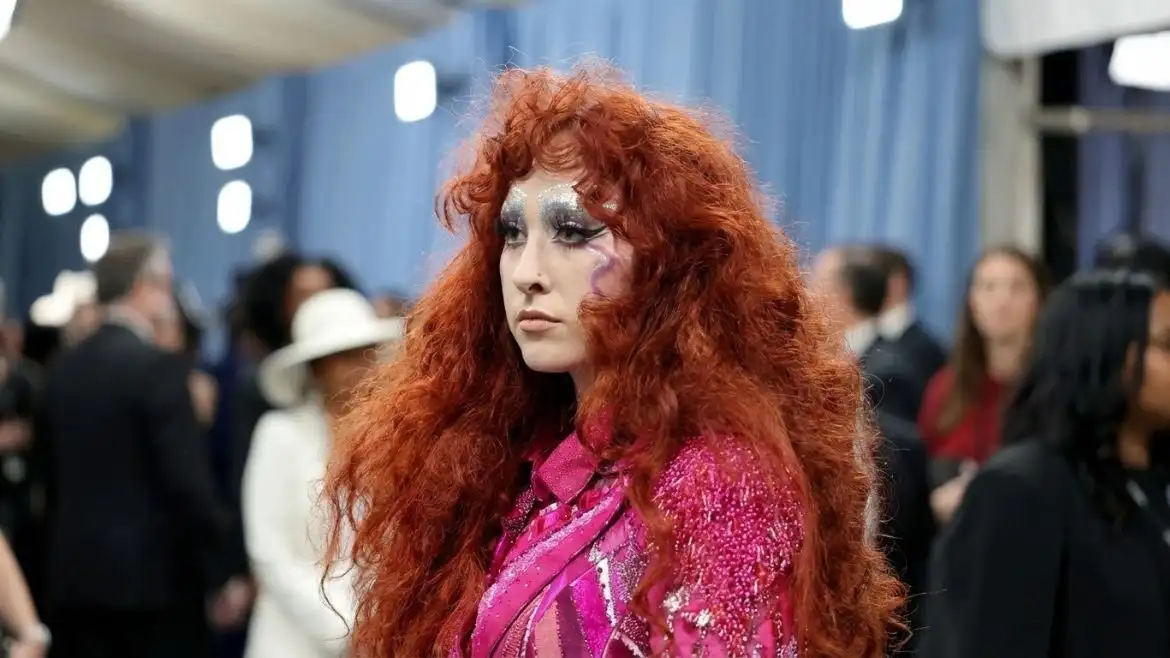
The death of French cinema legend Brigitte Bardot at age 91 has sparked a global conversation that goes far beyond her filmography. While the world mourns the loss of the woman who starred in And God Created Woman, the Brigitte Bardot controversy has taken center stage, eclipsing her artistic achievements. From pop star Chappell Roan deleting a tribute to resurfaced records of hate speech convictions, this article explores the complex, often dark reality behind the beauty icon.
Table of Contents
- Introduction
- The Chappell Roan Tribute and Backlash
- From Sex Symbol to Far-Right Figurehead
- A History of Hate Speech Convictions
- Attacks on the LGBTQ+ Community and #MeToo
- The Paradox of Her Animal Rights Activism
- Brigitte Bardot Death: The World Reacts
- Conclusion
- Frequently Asked Questions (FAQs)
Introduction
On December 28, 2025, the world bid farewell to one of the most recognizable faces of the 20th century. Brigitte Bardot death headlines flashed across news screens, announcing the passing of the “French Marilyn Monroe” at the age of 91. However, unlike the universal adoration that usually follows the passing of a cultural icon, the response was immediate, polarized, and deeply critical. The Brigitte Bardot controversy has surged to the forefront of the conversation, reminding the public that the star of the silver screen spent the latter half of her life as a vocal figure of the French far-right.
For younger generations, the name Bardot might evoke vintage aesthetics or lyrics in modern pop songs. But for those familiar with French politics, her name is synonymous with xenophobia and legal battles. This tension came to a head immediately following her death, when modern celebrities faced backlash for praising her without knowing her full history. As we unpack the life of the Brigitte Bardot age 91 icon, we must reconcile the image of the liberated woman of the 1950s with the intolerant activist of the 2000s. This article delves deep into the Brigitte Bardot controversy, separating the myth from the reality.
The Chappell Roan Tribute and Backlash
In the age of social media, the Brigitte Bardot controversy reignited almost instantly thanks to a viral incident involving rising pop superstar Chappell Roan. Roan, whose hit song “Red Wine Supernova” references the French actress in the opening lyrics (“She was a playboy, Brigitte Bardot”), posted a tribute on Instagram shortly after the news broke.
The Deleted Post
Roan initially shared a photo of the actress with the caption, “Rest in peace Ms. Bardot.” However, the internet moves fast. Fans and followers immediately flooded Roan’s comments and DMs, educating the singer on Bardot’s extensive history of racism, homophobia, and hate speech convictions.
“I Do Not Condone This”
The backlash prompted a swift correction. In a move that highlighted the depth of the Brigitte Bardot controversy, Chappell Roan deletes tribute posts and issued a candid follow-up statement. She wrote, “Holy s— I did not know all that insane s— Ms. Bardot stood for. Obvs I do not condone this. Very disappointing to learn.”
This incident serves as a perfect microcosm of Bardot’s legacy in the USA: a beautiful image revered by pop culture, concealing a reality that is shocking to modern sensibilities. It forced a conversation about separating art from the artist, and whether ignorance of a celebrity’s political views is an acceptable defense in 2025.
From Sex Symbol to Far-Right Figurehead
To understand the Brigitte Bardot controversy, one must look at her radical transformation. In 1956, she starred in And God Created Woman, a film that shattered taboos and turned her into a symbol of sexual liberation. She was the “French cinema icon dies” headline we see today—a woman who embodied freedom.
However, after retiring from acting in 1973, her public persona shifted drastically. By the 1990s, Bardot had become increasingly aligned with the National Front (now National Rally), France’s far-right political party. Her marriage to Bernard d’Ormale, a former advisor to Jean-Marie Le Pen, cemented her position within these circles.
The Brigitte Bardot far-right views were not subtle. She did not just attend dinners; she wrote open letters and books that espoused Great Replacement theories and attacked the multicultural fabric of modern France. For many, the “liberated” woman of the 60s had become the face of intolerance, creating a permanent Brigitte Bardot controversy that overshadowed her cinematic achievements.
A History of Hate Speech Convictions
In the United States, freedom of speech protections are broad. In France, however, laws against inciting racial hatred are strict, and Bardot ran afoul of them repeatedly. The core of the Brigitte Bardot controversy lies in these legal battles. She wasn’t just “opinionated”; she was a convicted offender.
Between 1997 and 2008, Bardot faced the French courts at least five times.
- Anti-Muslim Rhetoric: The majority of her convictions stemmed from attacks on the Muslim community. She frequently described the Muslim population in France as “invaders” who were “destroying our country.”
- The 2008 Conviction: In one of her most high-profile cases, she was fined €15,000 for a letter to then-Interior Minister Nicolas Sarkozy, where she claimed France was “tired of being led by the nose by this population that is destroying us.”
- The Réunion Island Incident: As recently as 2019, she sparked a massive Brigitte Bardot controversy by calling the inhabitants of the French island of Réunion “savages” who had “kept the genes of savages.” This resulted in yet another heavy fine in 2021.
These weren’t isolated slip-ups; they were part of a decades-long pattern of behavior that defined the Brigitte Bardot controversy.
Attacks on the LGBTQ+ Community and #MeToo
The Brigitte Bardot controversy extended beyond race and religion. In her 2003 book A Scream in the Silence, she took aim at the LGBTQ+ community, referring to them as “fairground freaks.” While she later claimed to have gay friends—a common defense—her published words contributed to a hostile environment and further alienated her from the progressive audiences who once idolized her rebellious spirit.
Dismissing the #MeToo Movement
In 2018, Bardot managed to alienate a new generation of women. When asked about the #MeToo movement, which sought to expose sexual harassment in the film industry, Bardot dismissed it as “hypocritical” and “ridiculous.” She claimed that many actresses “tease” producers to get roles and then complain about it later.
For a woman who was once a symbol of female empowerment and sexual agency, these comments were viewed as a betrayal. This addition to the Brigitte Bardot controversy file ensured that her legacy would be viewed with skepticism by modern feminists.
The Paradox of Her Animal Rights Activism
It is impossible to discuss the Brigitte Bardot controversy without mentioning her foundation. After leaving cinema, she dedicated her life to animal welfare. She campaigned against seal hunting in Canada, fought for the humane treatment of strays, and raised millions for the cause.
However, this activism often bled into her xenophobia, creating a disturbing paradox.
- Ritual Slaughter: Much of her anti-Muslim rhetoric was framed around the issue of Halal slaughter (dhabiha). Critics argued she used animal rights as a shield to legitimize racist talking points.
- Human vs. Animal: Bardot often expressed more empathy for animals than for humans, a stance that drew heavy criticism during humanitarian crises.
This intersection of noble cause and hateful rhetoric is what makes the Brigitte Bardot controversy so difficult to navigate. Her foundation did undeniable good for animals, but her voice did undeniable harm to social cohesion.
Brigitte Bardot Death: The World Reacts
When the news of the Brigitte Bardot death broke, the reactions were telling. French President Emmanuel Macron paid tribute to the “legend,” focusing on her artistic contributions. Similarly, Marine Le Pen, the leader of the far-right National Rally, hailed her as an “exceptional woman,” underscoring Bardot’s status as a darling of the political right.
In contrast, international media and social media platforms in the USA were far less forgiving. The conversation quickly pivoted to the Brigitte Bardot controversy, with many refusing to mourn a figure they viewed as a symbol of hate. The incident where Chappell Roan deletes tribute highlighted this divide: the establishment mourned the icon, while the public scrutinized the person.
Conclusion
The life of Brigitte Bardot was a tale of two women: the screen siren who captivated the world, and the recluse who spent decades alienating it. The Brigitte Bardot controversy is not a footnote in her biography; it is a massive, unavoidable chapter that defines who she was.
As we reflect on her passing at age 91, it is clear that beauty and talent do not absolve one of accountability. While her films will remain classics of French cinema, her words will remain in the court records of French history. The Brigitte Bardot controversy serves as a stark reminder that legacy is fragile, and that the “French cinema icon dies” headline only tells half the story. Whether she is remembered as a victim of her own bitterness or a protector of animals is up to the individual, but the facts of her controversial life are indisputable.
Frequently Asked Questions (FAQs)
Q: What is the main Brigitte Bardot controversy? A: The primary Brigitte Bardot controversy revolves around her far-right political views and multiple legal convictions for inciting racial hatred, specifically targeting the Muslim community and immigrants in France.
Q: Why did Chappell Roan delete her tribute to Brigitte Bardot? A: Chappell Roan deletes tribute posts after fans informed her of Bardot’s history of racism, homophobia, and hate speech convictions. Roan stated she was unaware of these views and did not condone them.
Q: How many times was Brigitte Bardot convicted of hate speech? A: Brigitte Bardot was convicted and fined five times by French courts for inciting racial hatred between 1997 and 2008.
Q: Was Brigitte Bardot a member of the far-right? A: While she never held office, she was a vocal supporter of the National Front (National Rally) and close friends with Jean-Marie Le Pen and Marine Le Pen. Her husband was also an advisor to the party.
Q: What were Brigitte Bardot’s views on the #MeToo movement? A: She controversially called the #MeToo movement “hypocritical” and “ridiculous,” suggesting that actresses were often complicit in the harassment they reported.
Q: Did Brigitte Bardot die recently? A: Yes, the Brigitte Bardot death occurred on December 28, 2025. She passed away at her home in Saint-Tropez at the age of 91.
Visit Vic Waves for the latest trending USA news, updates, and insights you may have missed today, and more stories.