

Mt Baldy, officially known as Mount San Antonio, is the crown jewel of the San Gabriel Mountains. Towering over Los Angeles, it attracts thousands of outdoor enthusiasts every year. However, the mountain is notorious for its treacherous conditions during the winter months. This article explores the allure of the peak, details the heartbreaking discovery of three hikers on December 30, 2025, and provides critical safety information for anyone considering this challenging climb.
Table of Contents
- Introduction
- The Allure of the Summit
- Heartbreak on the Mountain: December 30 Incident
- Understanding the Risks: Terrain and Weather
- The Challenge of Recovery Efforts
- Essential Safety Tips for Winter Hiking
- Recreation at Mt Baldy Resort
- Conclusion
- Frequently Asked Questions (FAQs)
Introduction
For residents of Southern California, Mt Baldy is an iconic silhouette against the skyline. It stands as the highest peak in the San Gabriel Mountains and the highest point in Los Angeles County, reaching an impressive 10,064 feet. In the summer, it is a dusty, strenuous hike that rewards climbers with sweeping views of the Mojave Desert and the Pacific Ocean. But when winter arrives, Mt Baldy transforms into an alpine environment that is as deadly as it is beautiful.
The mountain has a reputation that demands respect. While it looks serene from the city streets below, the upper elevations are often battered by hurricane-force winds and coated in sheets of ice. Recently, the dangers of Mt Baldy were brought into sharp focus once again. On December 30, 2025, tragedy struck when rescue teams located the bodies of missing hikers, reminding the entire hiking community that this mountain is not to be underestimated. This guide serves to inform readers about the recent events and offer vital knowledge on how to respect the power of nature.
The Allure of the Summit
Why do so many people flock to Mt Baldy? The answer lies in its accessibility and its prominence. For millions of people living in the Greater Los Angeles area, it is the closest opportunity to experience true mountaineering. It offers a quick escape from the urban sprawl into the wild.
The trails leading to the top, such as the Ski Hut Trail and the Devil’s Backbone, are legendary in the hiking community. The physical challenge of ascending Mt Baldy is a badge of honor for many. It is a place where people train for larger expeditions like Mount Whitney or even peaks in the Himalayas. However, this accessibility often creates a false sense of security. Because it is so close to the city, many visitors underestimate the severity of the environment, treating a winter ascent like a casual day hike rather than a technical climb.
Heartbreak on the Mountain: December 30 Incident
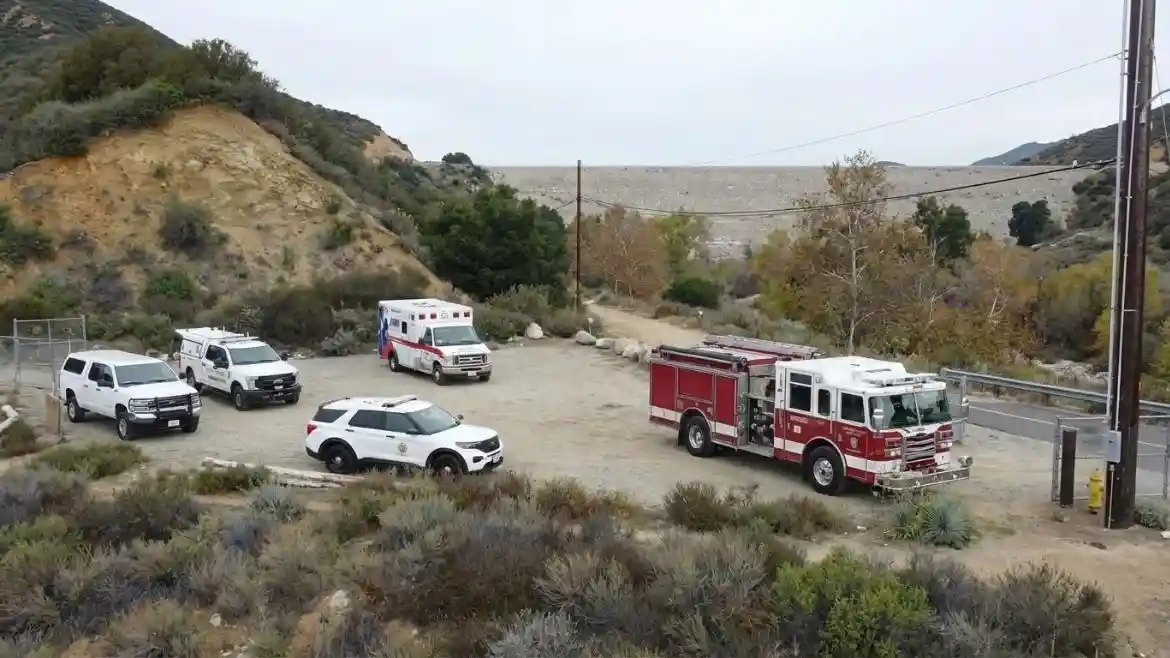
The hiking community was shaken by the recent California hikers news December 30, which confirmed the worst fears of families and rescue workers. After an extensive search operation, authorities reported that Three hikers dead Mt Baldy were located on the mountain’s rugged slopes. The discovery came after days of concern following a severe winter storm that had lashed the region over the holidays.
The hikers had ventured out to experience the winter landscape, but likely found themselves overwhelmed by the rapidly changing conditions. Search and rescue teams, who are all too familiar with the perils of Mt Baldy, worked tirelessly in sub-freezing temperatures to locate the missing group. The tragedy highlights a recurring pattern in the San Gabriel Mountains: experienced and inexperienced hikers alike can fall victim to the mountain’s unpredictable nature.
Reports indicate that the Mount Baldy hikers found dead were located in an area that is notoriously difficult to navigate when covered in snow. The incident serves as a somber reminder of the fine line between adventure and tragedy. As the news spread, tributes poured in from the climbing community, emphasizing the need for caution and preparation when tackling such formidable terrain.
Understanding the Risks: Terrain and Weather
To understand why accidents happen, one must look at the specific geography of Mt Baldy. The mountain is steep and rugged. In the summer, a slip might result in a scraped knee. In the winter, the trails disappear under snow and ice. Slopes that are walkable in July become “no-fall zones” in December. If a hiker slips on the ice without the proper equipment to self-arrest, they can slide hundreds of feet down steep ravines, often into rocks or trees.
The Weather Factor
Mount Baldy weather conditions are the primary culprit in many accidents. The mountain creates its own microclimate. It can be sunny and 60 degrees at the trailhead, yet freezing with 50 mph winds at the summit.
- Wind: Gusts can knock a person off balance.
- Ice: The freeze-thaw cycle creates “bulletproof” ice that is impossible to walk on without crampons.
- Visibility: Clouds can descend rapidly, reducing visibility to zero and causing hikers to lose their way.
These conditions turn the Devil’s Backbone trail—a narrow ridge with steep drop-offs on both sides—into a perilous tightrope walk. Even the wider Baldy Bowl area becomes an avalanche risk or a deadly slide zone.
The Challenge of Recovery Efforts
Finding the hikers is often only half the battle. The recent Mt Baldy bodies recovery efforts have been hampered by the very weather that caused the accident. When the winds are high, helicopters cannot fly safely near the cliff walls. This leaves recovery up to ground teams who must put their own lives at risk to bring the victims home.
In the wake of the recent discovery, authorities noted that harsh conditions were blocking immediate recovery. The steep angle of the slopes means that ground teams have to use technical rope systems to lower themselves down to the victims. This San Gabriel Mountains hiking accident demonstrates the immense logistical challenges faced by the Sheriff’s Department and volunteer search and rescue teams. They often have to wait for a window of clear weather, which can take days, prolonging the anguish for the families involved.
Essential Safety Tips for Winter Hiking
If you are compelled to visit Mt Baldy during the winter, you must go prepared. It is not a place for sneakers and a light jacket. Here is what experts recommend:
- Proper Gear is Non-Negotiable: You need mountaineering boots, crampons (not just micro-spikes), an ice axe, and a helmet. Most importantly, you must know how to use them. Carrying an ice axe is useless if you don’t know the technique for self-arrest.
- Check the Forecast: Look specifically at mountain weather forecasts, not just the weather in the city of Claremont or Mt Baldy Village. Conditions at 10,000 feet are vastly different.
- Don’t Hike Alone: In the event of an injury, a partner can save your life.
- Leave a Plan: Always tell someone exactly which route you are taking and when you expect to be back.
- Turn Around: The summit will always be there. If the weather turns, or if you feel fatigued, turn around immediately. “Summit fever” can be fatal.
The mountain has claimed dozens of lives over the years. Respecting Mt Baldy means acknowledging that nature is more powerful than human will.
Recreation at Mt Baldy Resort
While the backcountry poses significant risks, there is a safer way to enjoy the snow. The mt baldy resort operates on the mountain, offering skiing, snowboarding, and snow tubing in a controlled environment. The resort is accessible via a chairlift that takes visitors up to the Notch.
For families and casual visitors, the resort is a fantastic alternative to hiking the peak. It allows you to experience the alpine atmosphere and the snow without the exposure to steep, icy cliffs. The Mt Baldy Resort also offers hiking access during the summer months, providing a relentless but safer workout compared to the winter backcountry. However, even resort guests should dress warmly and be prepared for mountain weather. It serves as a reminder that you can enjoy Mt Baldy responsibly by staying within your limits and designated safe zones.
Conclusion
Mt Baldy remains a majestic yet formidable presence in Southern California. It offers beauty, challenge, and a connection to nature that is hard to find elsewhere. However, the tragic loss of life on December 30, 2025, is a stark reminder of the mountain’s darker side. The loss of three lives is a heavy blow to the community and a call to action for increased safety awareness.
Whether you are looking to ski at the resort or attempt a summit push, approaching Mt Baldy with humility is key. The mountain demands preparation, the right gear, and the wisdom to know when to turn back. As we mourn the recent victims, let their stories serve as a vital lesson. The beauty of the San Gabriel Mountains is timeless, but life is fragile. Enjoy the trails, but always prioritize coming home safely.
Frequently Asked Questions (FAQs)
Q: Is Mt Baldy safe to hike in the winter? A: Hiking Mt Baldy in the winter is considered dangerous and requires mountaineering experience. Snow and ice make the trails treacherous, and accidents are common.
Q: Do I need a permit to hike Mt Baldy? A: Generally, a permit is not required for a day hike, but you do need an Adventure Pass for parking at the trailhead. Always check current regulations as they can change.
Q: How high is Mt Baldy? A: Mt Baldy (Mount San Antonio) stands at 10,064 feet (3,068 meters) above sea level.
Q: What happened on December 30, 2025? A: Search and rescue teams located the bodies of three missing hikers on Mt Baldy after severe winter weather conditions.
Q: Is there cell phone service on Mt Baldy? A: Cell service is spotty and unreliable on the mountain. It is best to carry a satellite communication device like a Garmin inReach.
Visit Vic Waves for the latest trending USA news, updates, and insights you may have missed today, and more stories.