

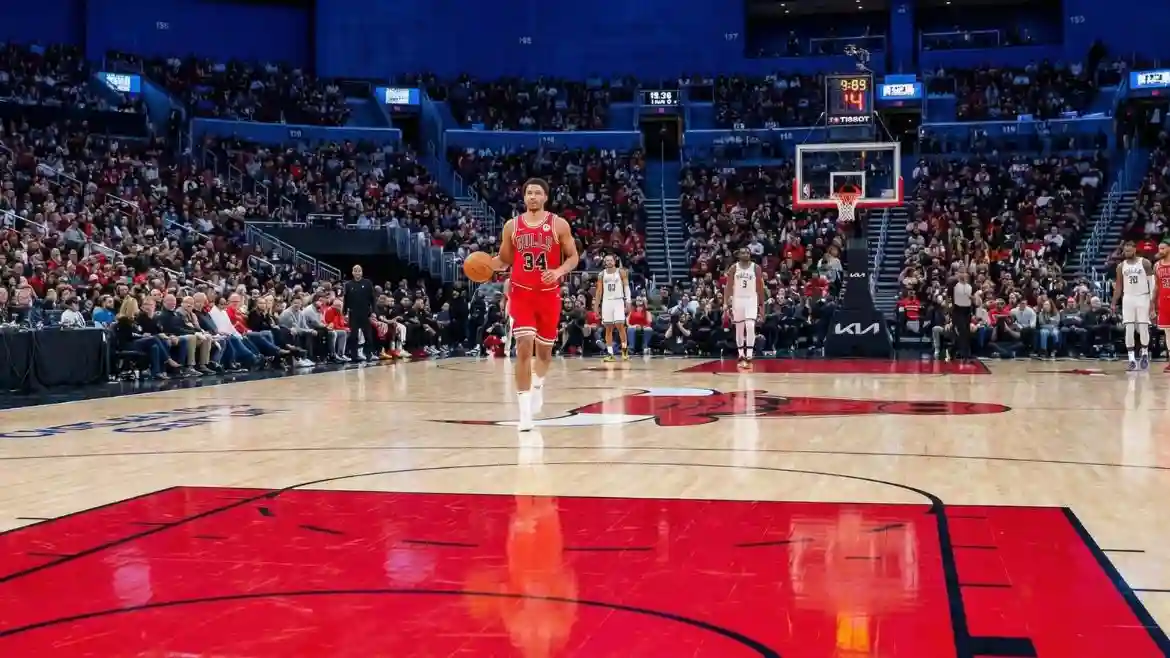
The highly anticipated heat vs bulls matchup at the United Center has been officially postponed due to an unusual and hazardous issue: severe condensation on the playing surface. This article explores the details behind the cancellation, the science of the “sweating floor,” and what this means for fans holding tickets. We break down the timeline of events, the reaction from the NBA, and how this impacts the schedule for both the Miami Heat and the Chicago Bulls.
Table of Contents
- Introduction
- The Decision to Postpone Heat vs Bulls
- What caused the United Center Condensation?
- The Timeline: From Warm-ups to Cancellation
- Player Safety: Why the NBA Couldn’t Risk It
- Historical Context: Has This Happened Before?
- Impact on the Miami Heat Season
- Implications for the Chicago Bulls
- Fan Reactions and Ticket Information
- Rescheduling the Heat vs Bulls Matchup
- Conclusion
- Frequently Asked Questions (FAQs)
Introduction
In the world of professional sports, weather delays are usually reserved for baseball diamonds or football fields. However, on a bizarre night in Chicago, the elements found a way indoors, forcing the NBA to make a rare and difficult decision regarding the heat vs bulls game. Fans arriving at the United Center were expecting a fierce Eastern Conference battle; instead, they witnessed a battle between the arena staff and Mother Nature.
The heat vs bulls contest was officially postponed just prior to tip-off after officials deemed the playing surface unsafe. It wasn’t a leak in the roof or a broken rim that caused the stoppage, but rather a phenomenon known as court condensation. The humidity inside the arena interacted with the ice rink that sits beneath the hardwood floor—the home of the NHL’s Blackhawks—creating a layer of moisture that made the court dangerously slick. For the NBA, which prioritizes player safety above all else, there was no choice but to send the teams back to the locker rooms. This article dives deep into this unique event, analyzing how the heat vs bulls game became a victim of unseasonably warm Chicago weather.
The Decision to Postpone Heat vs Bulls
The call to postpone the heat vs bulls game was not made lightly. The NBA operates on a tight schedule, and moving a game creates logistical nightmares for travel, broadcasting, and arena availability. However, the situation at the United Center left league officials with zero flexibility.
During pre-game warm-ups, players from both the Miami Heat and the Chicago Bulls began to notice that their footing was unstable. In a sport that relies on violent cuts, high-flying dunks, and sudden stops, traction is everything. A floor that behaves like a Slip ‘N Slide is a recipe for catastrophic injury. Referees and team captains convened at center court, testing the surface repeatedly. Despite the best efforts of the arena crew, who were seen frantically mopping and towel-drying the floor, the moisture kept returning. The Heat vs Bulls postponed announcement eventually came over the PA system, leaving thousands of fans stunned.
What caused the United Center Condensation?
To understand why the heat vs bulls game couldn’t be played, one must look at the science of multi-purpose arenas. The United Center is a dual-threat venue, hosting both the Bulls (NBA) and the Blackhawks (NHL). During the basketball season, the hardwood floor is assembled in pieces directly over the ice rink, separated by an insulating layer.
Usually, this system works flawlessly. However, on this particular day, the Chicago weather NBA impact was undeniable. Unseasonably warm and humid temperatures outside, combined with the transition inside the arena, created a “dew point” issue. essentially, the cold air rising from the ice met the warm, humid air in the arena, causing moisture to condense on the surface of the basketball court. It is the same effect you see on a cold soda can on a hot summer day—the can “sweats.” In this case, the floor was sweating, and no amount of mopping could stop the physics at play. The United Center condensation turned the hardwood into a skating rink without the ice, making the heat vs bulls game impossible to conduct safely.
The Timeline: From Warm-ups to Cancellation
The drama of the heat vs bulls evening unfolded over the course of an hour.
- 5:30 PM: Arena staff begins final preparations. The floor looks standard, but humidity levels in the concourse are higher than usual.
- 6:00 PM: Players take the court for initial warm-ups. A few players are seen checking the soles of their shoes, assuming it is just dust.
- 6:15 PM: The issue becomes undeniable. Players are slipping during layup lines. Coaches alert the officiating crew.
- 6:30 PM: A frantic effort begins. Maintenance crews deploy heavy-duty mops and fans to dry the surface.
- 6:45 PM: Officials conduct a “slide test.” They attempt to run and stop; the lack of friction is evident.
- 7:00 PM: The NBA game postponed today alert is sent to broadcasters. The PA announcer informs the crowd that the heat vs bulls game will not proceed.
Player Safety: Why the NBA Couldn’t Risk It
In the modern NBA, player assets are worth hundreds of millions of dollars. The risk of a star player like Jimmy Butler or Zach LaVine tearing an ACL due to slippery court conditions is simply too high. The decision to cancel the heat vs bulls game was a victory for player safety protocols.
Both organizations, miami heat vs chicago bulls, were in agreement. While competitors want to play, they also understand that a compromised floor compromises the integrity of the game. You cannot run a complex offense or play lockdown defense if you are terrified of falling. The heat vs bulls matchup features elite athletes who generate immense force; if the floor cannot push back, injuries happen. History has shown that playing on wet floors leads to disaster, and neither franchise was willing to gamble their season on a humid night in Chicago.
Historical Context: Has This Happened Before?
While rare, the postponement of the heat vs bulls game is not unprecedented in NBA history. The league has dealt with United Center condensation and similar issues in other venues before.
- The “Wet Floor” Game (2016): A preseason game between the Kings and 76ers was canceled due to humidity affecting the court over the ice at the University of Kansas.
- The Spurs vs. Timberwolves (2013): A generator failure in Mexico City caused smoke to fill the arena, canceling the game.
- Bucks vs. Raptors (Early 2000s): Similar condensation issues have plagued shared arenas in the past.
However, a regular-season cancellation of a high-profile game like heat vs bulls is a significant event. It highlights the challenges of modern arena management in changing climates. As weather patterns become more unpredictable, arenas may need to upgrade their climate control and dehumidification systems to prevent another heat vs bulls type of cancellation.
Impact on the Miami Heat Season
For the Miami Heat, the postponement of the heat vs bulls game adds a wrinkle to their schedule. The team had traveled, prepared, and was ready to compete. Now, they face a “wasted” travel day. In the grueling NBA marathon, rest days are precious. Having to fly back to Chicago later in the season to make up the heat vs bulls game means adding a back-to-back or a 3-games-in-4-nights stretch to their future calendar.
Coach Erik Spoelstra is known for his “no excuses” culture, but schedule congestion is a real adversary. The Heat are fighting for playoff positioning, and a delayed game means the standings will remain in flux. This miami heat vs bulls encounter was supposed to be a chance to secure a key conference win; now, it becomes a question mark on the schedule.
Implications for the Chicago Bulls
For the home team, the heat vs bulls postponement is an embarrassment and a logistical headache. The Bulls organization prides itself on the fan experience at the United Center. Having to send home a capacity crowd is a PR nightmare.
From a basketball perspective, the Bulls might actually benefit or suffer depending on their injury report. If they were missing key players, the delay of the miami heat chicago bulls game gives them time to heal. However, it also disrupts their rhythm. The team was in the mindset to play, and adrenaline dumps without activity can be draining. The Bulls management will now have to work with the league to find a date that fits, likely resulting in a condensed schedule later in the year, similar to the Heat’s situation.
Fan Reactions and Ticket Information
The atmosphere inside the United Center shifted from excitement to confusion, and finally to disappointment. Fans who had traveled to see the heat vs bulls game took to social media to express their frustration. Many had paid for parking, concessions, and babysitters, costs that are rarely reimbursed even if the ticket is.
The Miami Heat vs Chicago Bulls rivalry always draws a crowd, and this night was no different. The team has announced that tickets for the postponed heat vs bulls game will likely be honored for the rescheduled date. Alternatively, refunds may be available at the point of purchase. Fans are advised to hold onto their digital or physical tickets until an official announcement is made regarding the new date for the heat vs bulls showdown.
Rescheduling the Heat vs Bulls Matchup
When will the heat vs bulls game be played? The NBA schedule makers have a difficult puzzle to solve. They must find a date when:
- Both the Heat and the Bulls have an off day.
- The United Center is available (not booked for the Blackhawks or a concert).
- The travel logistics make sense for both teams.
It is likely that the rescheduled heat vs bulls game will take place later in the season, possibly during a gap in a road trip for Miami. The league tries to avoid creating “4 games in 5 nights” scenarios, but with limited dates available, the rescheduled heat vs bulls contest might end up being part of a grueling stretch for both squads.
Conclusion
The postponement of the heat vs bulls game serves as a strange reminder that even in billion-dollar indoor arenas, nature still has a say. The United Center condensation issue turned a premier NBA matchup into a “did that really happen?” moment. While frustrating for fans and players alike, the decision to prioritize safety over entertainment was the correct one.
As we wait for the new date, the anticipation for the heat vs bulls rematch will only grow. Both teams will be eager to prove themselves when the floor is finally dry. Until then, the heat vs bulls game of January 2026 will be remembered not for the buzzer-beaters or dunks, but for the invisible layer of moisture that brought the action to a screeching halt.
Frequently Asked Questions (FAQs)
Why was the Heat vs Bulls game postponed? The heat vs bulls game was postponed due to unsafe playing conditions caused by condensation on the court. High humidity combined with the ice rink beneath the floor made the surface dangerously slippery.
Will I get a refund for my Heat vs Bulls tickets? Typically, tickets for postponed games are honored for the rescheduled date. If you cannot attend the new date, refunds are usually available at the point of purchase. Check with the vendor you bought your heat vs bulls tickets from.
When will the Heat vs Bulls game be played? The NBA has not yet announced a specific makeup date for the heat vs bulls game. It will be rescheduled for a later date in the season when both teams and the arena are available.
Is this the first time an NBA game was canceled due to condensation? No, while rare, it has happened before. The Heat vs Bulls postponed incident is similar to past events where humidity affected courts laid over ice rinks, such as games involving the Kings and 76ers in the past.
Does the condensation happen often at the United Center? No, this is a very rare occurrence. The United Center condensation was caused by a specific combination of unseasonably warm Chicago weather NBA impact and the ice surface, which usually does not disrupt NBA games.
Visit Vic Waves for the latest trending USA news, updates, and insights you may have missed today, and more stories.