
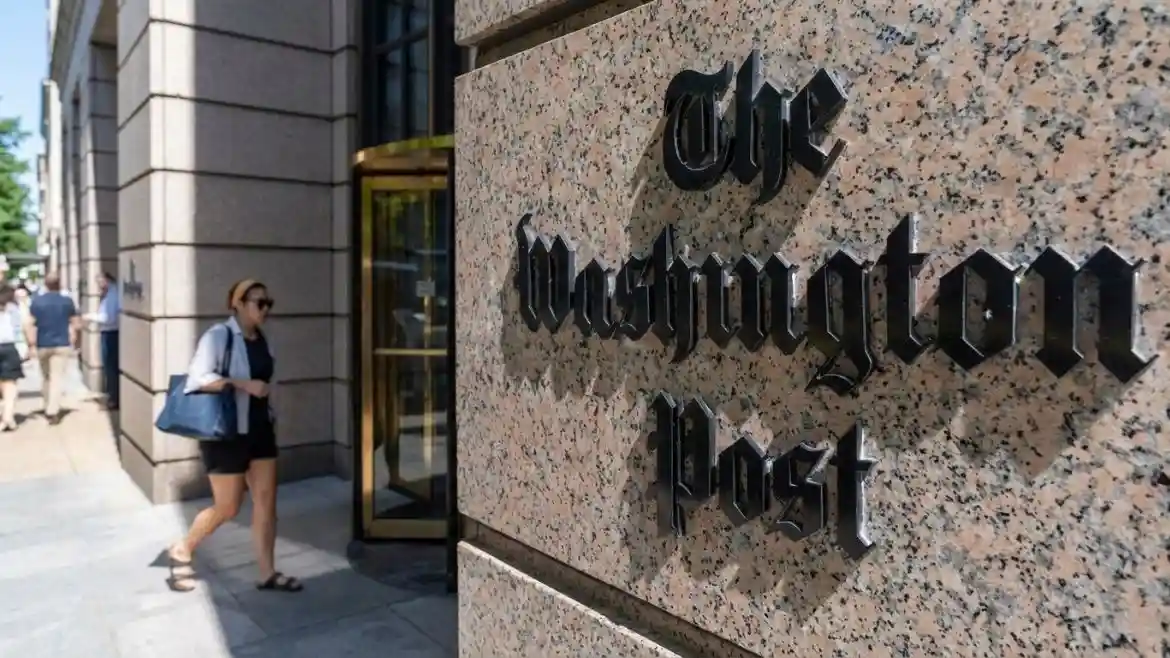
On Wednesday, January 14, 2026, federal agents executed a search warrant at the Virginia home of Washington Post journalist Hannah Natanson. The raid, authorized by the Department of Justice, is part of an ongoing investigation into the leak of classified Pentagon documents. Attorney General Pam Bondi defended the move as necessary to protect national security, while The Washington Post and press freedom advocates condemned it as an unprecedented escalation against the media. This article details the timeline of the search, the investigation into a government contractor, and the fierce debate over press freedom in the second Trump administration.
Table of Contents
- Introduction
- The Raid: What Happened at Hannah Natanson’s Home?
- The Investigation: Who is Aurelio Perez-Lugones?
- The Administration’s Stance: “Zero Tolerance” for Leaks
- The Washington Post and Media Reaction
- Hannah Natanson: The “Federal Government Whisperer”
- Legal Implications for Press Freedom
- Conclusion
- Frequently Asked Questions (FAQs)
Introduction
The relationship between the press and the federal government hit a new flashpoint this week. On the morning of January 14, 2026, the FBI descended on the residence of Hannah Natanson, a reporter for The Washington Post known for her extensive coverage of the federal workforce.
Agents seized multiple electronic devices, including laptops and a phone, marking a rare instance of law enforcement directly targeting a journalist’s home to identify a source. The raid centers on allegations that a government contractor illegally retained and shared classified intelligence. As details emerge, the incident has ignited a firestorm of criticism regarding the First Amendment and the Department of Justice’s aggressive new tactics under the Trump administration.
The Raid: What Happened at Hannah Natanson’s Home?
According to reports from The Washington Post, FBI agents arrived at Hannah Natanson‘s home in Virginia early Wednesday morning. They presented a search warrant authorizing the seizure of electronic devices that could contain evidence of communication with a source possessing classified information.
Items Seized:
- One Washington Post-issued laptop.
- One personal laptop.
- Her mobile phone.
- A Garmin smartwatch.
Investigators reportedly informed Hannah Natanson that she is not the target of the criminal investigation itself but is considered a witness in possession of evidence. However, the physical search of a reporter’s home is viewed by legal experts as a “highly unusual and aggressive” step, typically reserved for when all other investigative avenues have been exhausted.
The Investigation: Who is Aurelio Perez-Lugones?
The search warrant links Hannah Natanson to an investigation involving Aurelio Perez-Lugones, a Maryland-based system administrator and government contractor with top-secret security clearance.
- The Allegations: Perez-Lugones is accused of printing classified intelligence reports at work and removing them from a secure facility.
- The Evidence: FBI affidavits state that classified documents marked “SECRET” were discovered in his lunchbox and the basement of his home during a separate search earlier this month.
- The Charges: He has been charged with the unlawful retention of national defense information.
While the criminal complaint against Perez-Lugones does not explicitly charge him with leaking the documents, the raid on Hannah Natanson‘s home suggests federal prosecutors believe she received this material as part of her reporting.
The Administration’s Stance: “Zero Tolerance” for Leaks
The Department of Justice, led by Attorney General Pam Bondi, has taken a hardline stance on the unauthorized disclosure of government secrets. Following the raid, AG Bondi issued a statement confirming that the search was conducted at the specific request of the Department of Defense (referred to by the administration as the “Department of War”).
“The Trump Administration will not tolerate illegal leaks of classified information that, when reported, pose a grave risk to our Nation’s national security and the brave men and women who are serving our country,” Bondi wrote on social media.
The administration argues that the journalist was “obtaining and reporting classified and illegally leaked information,” framing the issue as a matter of national defense rather than press freedom. This reflects a broader shift in policy, as Bondi had previously revoked Biden-era guidelines that strictly limited the seizure of journalists’ records.
The Washington Post and Media Reaction
The Washington Post responded swiftly, characterizing the search as a dangerous overreach. A spokesperson for the newspaper stated they are “reviewing and monitoring the situation” but expressed deep concern over the intrusion into a reporter’s newsgathering process.
Press Freedom Advocates Speak Out:
- Bruce D. Brown (Reporters Committee for Freedom of the Press): Called the physical search of a reporter’s home “one of the most invasive investigative steps law enforcement can take.”
- Jameel Jaffer (Knight First Amendment Institute): Warned that such actions are intended to “intimidate sources and chill journalists’ ability to gather news.”
Critics argue that by seizing Hannah Natanson‘s devices, the government may now have access to confidential communications with hundreds of other sources unrelated to the Perez-Lugones case, effectively compromising her entire network.
Hannah Natanson: The “Federal Government Whisperer”
Why Hannah Natanson? As a reporter covering the federal workforce, she has been at the forefront of documenting the upheaval within government agencies during the first year of President Donald Trump’s second term.
In December 2025, she published a first-person account detailing how she had cultivated over 1,100 sources within the federal government. She described receiving calls day and night from employees frustrated with new policies, firings, and structural changes. One colleague even dubbed her “the federal government whisperer.”
This high profile and her access to disgruntled insiders likely placed her on the administration’s radar. The raid suggests that the government is not just interested in one contractor, but perhaps in sending a message to the broader network of federal employees sharing information with the press.
Legal Implications for Press Freedom
Historically, the Department of Justice has operated under guidelines that make seizing a journalist’s records a last resort. These guidelines were strengthened in recent years to prevent the government from using the press as an investigative arm.
However, the current DOJ appears to be testing the limits of these protections. By obtaining a warrant from a judge, investigators had to show probable cause that a crime was committed and that evidence would be found at Hannah Natanson‘s home. The legal battle that follows will likely focus on whether the search violated the First Amendment or the Privacy Protection Act of 1980, which generally shields journalists from such searches.
Conclusion
The FBI search of Hannah Natanson‘s home is a watershed moment for journalism in 2026. It establishes a precedent that the government is willing to pierce the veil of reporter-source confidentiality to plug leaks. As Hannah Natanson remains without her devices and the investigation into Perez-Lugones proceeds, the chilling effect on potential whistleblowers could be immediate. The outcome of this case will likely define the boundaries of press freedom for the remainder of the administration.
Frequently Asked Questions (FAQs)
Why was Hannah Natanson’s home searched by the FBI? The FBI executed a search warrant at Hannah Natanson‘s home as part of an investigation into the leak of classified government documents allegedly involving a Pentagon contractor.
Is Hannah Natanson being charged with a crime? No. Reports indicate that investigators told Hannah Natanson she is not the target of the probe but is considered a witness who may possess evidence relevant to the investigation.
Who is Aurelio Perez-Lugones? Aurelio Perez-Lugones is a government contractor and system administrator accused of illegally taking classified documents home. He is the suspected source of the leaks being investigated.
What items did the FBI seize from Hannah Natanson? Agents seized two laptops (one personal, one work-issued), her mobile phone, and a Garmin smartwatch.
What is the “Department of War”? Attorney General Pam Bondi referred to the Department of Defense as the “Department of War” in her statement, a terminology adopted by the Trump administration.
How has The Washington Post responded? The newspaper condemned the search as “highly unusual and aggressive” and is monitoring the situation to protect its reporter’s rights and sources.
Visit Vic Waves for the latest trending USA news, updates, and insights you may have missed today, and more stories.