
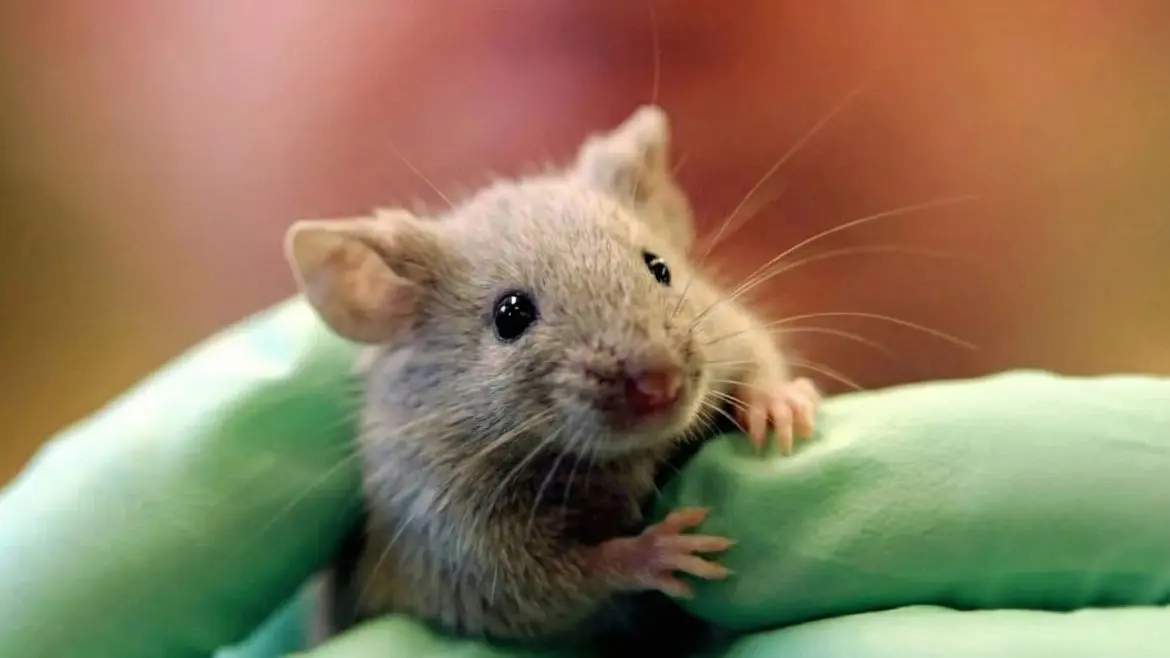
In a historic leap for oncology, researchers at the Spanish National Cancer Research Centre (CNIO) have achieved what was once thought impossible: the complete elimination of pancreatic tumors in mice with no signs of resistance. Led by Dr. Mariano Barbacid, the study utilizes a “drug trio” that attacks the cancer’s survival mechanisms from multiple angles. This article explores the science behind this potential pancreatic cancer cure, the specific drugs involved, and what this means for patients in the USA and around the world waiting for a miracle.
Table of Contents
- A Ray of Hope in the Fight Against the Deadliest Cancer
- The Breakthrough: CNIO Pancreatic Tumor Elimination Study
- The “Drug Trio”: How the New Therapy Works
- Blocking the Escape Routes: Solving Drug Resistance
- From Mice to Men: Understanding the “Cure” Label
- The Road Ahead: Clinical Trials and Timeline
- Conclusion
- Frequently Asked Questions (FAQs)
A Ray of Hope in the Fight Against the Deadliest Cancer
For decades, the phrase “pancreatic cancer cure” has felt like a distant dream, if not an impossibility. Pancreatic ductal adenocarcinoma (PDAC) remains one of the most aggressive and lethal malignancies, with a five-year survival rate that has stubbornly hovered around 13% in the United States. It is a diagnosis that strikes fear into patients and frustrates oncologists due to the tumor’s incredible ability to adapt and resist treatment.
However, January 2026 has brought a seismic shift in the landscape of Cancer Research 2026. A groundbreaking study published in the Proceedings of the National Academy of Sciences (PNAS) has reported the complete regression of pancreatic tumors in mice. This isn’t just about shrinking tumors; it is about making them disappear and, crucially, ensuring they don’t come back. While we must remain cautious, the scientific community is buzzing with the possibility that we may have finally found the blueprint for a functional pancreatic cancer cure.
The Breakthrough: CNIO Pancreatic Tumor Elimination Study
The news comes from the CNIO (Spanish National Cancer Research Centre), one of Europe’s premier cancer institutes. The study was led by the legendary biochemist Mariano Barbacid, whose team has spent years deciphering the genetic mutations that drive Pancreatic Cancer.
Mariano Barbacid Pancreatic Cancer Research Results
Dr. Barbacid is no stranger to making history; he was one of the scientists who originally isolated the first human oncogene in the early 1980s. Now, his team has achieved a milestone that could define the next decade of oncology. In their experiments, they treated mice bearing advanced pancreatic tumors with a novel combination of three drugs.
The results were nothing short of spectacular. The treatment resulted in the complete disappearance of the tumors. Even more remarkably, the mice remained cancer-free for months after the treatment stopped—a scenario that, in the lifespan of a mouse, effectively equates to a permanent cure. The CNIO pancreatic tumor elimination study suggests that we might finally have a strategy that works against the biology of PDAC.
The “Drug Trio”: How the New Therapy Works
The secret to this success lies in a carefully calibrated Drug Trio. In the past, therapies often targeted a single pathway. While this might temporarily halt tumor growth, the cancer cells would almost always find a “detour” to survive and keep multiplying. This is why Targeted Therapy often fails in the long run.
The CNIO team realized that to achieve a true pancreatic cancer cure, they had to blockade not just the main highway, but the side roads and emergency exits as well.
The Components of the Trio
The Pancreatic cancer drug trio breakthrough 2026 consists of:
- Daraxonrasib: An experimental inhibitor that blocks the KRAS signaling pathway, the primary “engine” of the tumor.
- Afatinib: An FDA-approved drug (currently used for lung cancer) that blocks EGFR and HER2, preventing the cancer from activating alternative growth signals.
- SD36: A degrader of the STAT3 protein, which acts as the tumor’s “emergency backup,” helping it survive stress and inflammation.
By using these drugs to inhibit KRAS signaling pathway and its support systems simultaneously, the researchers left the cancer cells with nowhere to hide.
Blocking the Escape Routes: Solving Drug Resistance
The biggest hurdle in treating this disease has always been Drug Resistance. You hit the tumor with chemotherapy or a KRAS inhibitor, and it shrinks for a few months. But the cancer cells quickly rewire their internal circuitry, activating other proteins to bypass the blockade. The tumor returns, often more aggressive than before.
This is where the new study shines. The researchers discovered how to block tumor resistance in pancreatic cancer by anticipating the tumor’s next move.
- When KRAS is blocked, the tumor tries to use EGFR. Afatinib stops that.
- When the tumor gets stressed, it tries to use STAT3 to recover. SD36 stops that.
The result is a pancreatic cancer treatment without resistance. In the mouse models, the tumors did not just pause; they collapsed. The cells died off because their survival mechanisms were systematically dismantled. This creates a durable response that has been the “holy grail” for researchers seeking a pancreatic cancer cure.
From Mice to Men: Understanding the “Cure” Label
It is vital to manage expectations. Whenever we see headlines about a Potential cure for pancreatic cancer found in mice, we must remember that humans are much more complex than rodents. Many drugs that worked in the lab have failed in the clinic.
However, there are reasons to be optimistic about this specific New triple therapy for pancreatic ductal adenocarcinoma:
- Low Toxicity: One of the most promising findings was that the mice tolerated the Drug Trio well. Unlike harsh chemotherapy that destroys healthy cells, this targeted approach appeared to be safe in the animal models.
- Human Tumor Models: The team tested the therapy not just on mouse tumors, but on “xenografts”—human Pancreatic Tumors implanted into mice. The treatment worked on these human cells just as effectively.
- Known Drugs: Since Afatinib is already approved for humans, and KRAS inhibitors are rapidly advancing in clinical trials, the path to testing this combination in humans could be shorter than usual.
While we cannot yet claim a definitive human pancreatic cancer cure, this research provides the strongest preclinical evidence we have seen in years.
The Road Ahead: Clinical Trials and Timeline
So, when will this reach patients? That is the question on everyone’s mind.
Currently, this therapy is in the preclinical phase. The next step is to launch clinical trials to test the safety and efficacy of this specific combination in humans. Mariano Barbacid has urged caution, noting that while the results are unprecedented, the transition to the clinic takes time.
Implications for U.S. Patients
For patients in the United States, this breakthrough influences how future trials will be designed. The National Cancer Institute and major centers like MD Anderson or Memorial Sloan Kettering are likely watching these results closely. We can expect to see:
- New Trial Designs: Trials that test similar “triple threat” combinations.
- Focus on KRAS: An accelerated push to approve more effective KRAS inhibitors like the ones used in this study.
- Hope: For those diagnosed with KRAS Mutation driven cancers (which is 90% of pancreatic cases), the future looks significantly brighter than it did just a few months ago.
Conclusion
The announcement from CNIO in January 2026 marks a turning point. We have moved from asking “is it possible?” to “how soon can we do it?” The Complete regression of pancreatic tumors in mice achieved by Dr. Barbacid’s team proves that these tumors are not invincible. They have vulnerabilities, and we have finally found a way to exploit them all at once.
While a commercially available pancreatic cancer cure for humans is not sitting on pharmacy shelves today, the roadmap to get there has never been clearer. By combining advanced science with a strategic attack on Drug Resistance, we are inching closer to a world where a pancreatic cancer diagnosis is no longer a death sentence, but a manageable, curable condition.
Frequently Asked Questions (FAQs)
1. Is there a pancreatic cancer cure available now in 2026? Currently, there is no guaranteed pancreatic cancer cure for advanced stages in humans. However, surgery can be curative for early-stage disease. The recent breakthrough from CNIO is a preclinical success in mice that offers hope for a future human cure.
2. What drugs were used in the CNIO pancreatic study? The study used a Drug Trio comprising Daraxonrasib (a KRAS inhibitor), Afatinib (an EGFR inhibitor), and SD36 (a STAT3 degrader). This combination successfully eliminated tumors in mice.
3. Who is Mariano Barbacid? Mariano Barbacid is a renowned Spanish biochemist and cancer researcher. He leads the Experimental Oncology Group at the CNIO (Spanish National Cancer Research Centre) and was instrumental in discovering the first human oncogene.
4. How does the new treatment prevent drug resistance? The therapy works by simultaneously blocking the primary cancer driver (KRAS) and its backup survival pathways (EGFR and STAT3). This prevents the cancer cells from adapting to the medication, which is the main cause of Drug Resistance in PDAC.
5. When will this treatment be available for patients in the USA? It is difficult to predict an exact timeline. Since the study was successful in mice, the next step is human clinical trials. It typically takes several years for a new treatment to move from trials to FDA approval, but the use of already-approved drugs like Afatinib could potentially speed up the process.
Visit Vic Waves for the latest trending USA news, updates, and insights you may have missed today, and more stories.