
As the financial world turns its eyes to the White House this Friday morning, one name dominates the conversation: Kevin Warsh. President Trump has confirmed he will announce the replacement for Jerome Powell, and all signs point to the former Federal Reserve Governor. Known for his background at Morgan Stanley and his service during the 2008 financial crisis, Kevin Warsh represents a significant shift in monetary policy. This article explores his background, his economic philosophy, and what his appointment as the New Fed Chairman would mean for interest rates and the U.S. economy in 2026.
Table of Contents
- The Spotlight on Kevin Warsh
- Who is Kevin Warsh? From Wall Street to Washington
- The Announcement: Trump’s Move to Replace Powell
- Kevin Warsh vs. Jerome Powell: A Clash of Philosophies
- Policy Views: Interest Rates and the “Revival” Strategy
- The Competition: Rick Rieder and Other Contenders
- Market Reaction to the Potential Nomination
- Timeline for Confirmation
- Conclusion
- Frequently Asked Questions (FAQs)
The Spotlight on Kevin Warsh
The anticipation in Washington is palpable. With the Trump Federal Reserve Chair announcement Friday morning set to shake up the global markets, Kevin Warsh has emerged as the clear favorite to lead the central bank. For months, speculation has swirled regarding who will replace Jerome Powell as Fed Chair, but recent developments suggest the search has narrowed considerably.
Kevin Warsh is not a new face to those who follow economic policy closely. A former member of the Federal Reserve Board of Governors, he has spent years in the private sector criticizing the Fed’s current trajectory. His potential nomination signals more than just a personnel change; it suggests a fundamental “regime change” in how the United States manages inflation, employment, and the dollar. As investors brace for the impact of new Fed Chair on stock market 2026, understanding the man behind the headlines is crucial.
Who is Kevin Warsh? From Wall Street to Washington
To understand why Kevin Warsh is the leading Federal Reserve Nominee, one must look at his unique resume which blends high-level finance with executive government experience.
The Youngest Governor
Kevin Warsh made history in 2006 when, at just 35 years old, he was appointed to the Federal Reserve Board by President George W. Bush. This made him the youngest governor in the Fed’s history. During his tenure (2006–2011), he played a pivotal role behind the scenes during the 2008 financial crisis. Unlike many of his academic colleagues, Warsh served as the Fed’s primary liaison to Wall Street, leveraging his background to navigate the collapse of major financial institutions.
Wall Street Roots
Before his time in government, Kevin Warsh spent seven years in the Mergers and Acquisitions department at Morgan Stanley. This experience gave him a practical, market-oriented perspective that often contrasts with the PhD-heavy culture of the Federal Reserve. Critics and supporters alike note that Warsh “speaks the language of the markets” fluently—a trait that appeals heavily to President Trump.
Currently, Warsh serves as a visiting fellow at the Hoover Institution and advises the Duquesne Family Office. His marriage to Jane Lauder, an heiress to the Estée Lauder fortune, also places him firmly within influential conservative and business circles.
The Announcement: Trump’s Move to Replace Powell
The relationship between President Trump and current Chair Jerome Powell has been contentious, to say the least. The question of “Why is Trump replacing Jerome Powell?” has a simple answer: policy divergence. Trump has frequently criticized Powell for keeping interest rates too high for too long, arguing that it stifles the Trump Economy.
On Thursday, reports surfaced that Kevin Warsh was at the White House for a private meeting with the President. Following this, Trump told reporters, “I’ll be announcing the Fed chair tomorrow morning,” effectively confirming that the decision is made.
This Fed Chair Announcement is poised to be a defining moment for the administration’s second term. By choosing Kevin Warsh, Trump is selecting a candidate who has publicly argued that the Fed has lost its way and needs a hard reset—a narrative that aligns perfectly with the President’s vision for 2026.
Kevin Warsh vs. Jerome Powell: A Clash of Philosophies
The comparison of Kevin Warsh vs Jerome Powell Fed Chair reveals stark differences in how they view the role of the central bank.
- Data Dependency vs. Leadership: Powell is known for being “data-dependent,” often waiting for lagging economic indicators before making a move. Kevin Warsh has criticized this approach, arguing that the Fed should lead the markets rather than follow them. He believes that true central banking requires anticipating shifts, not just reacting to monthly jobs reports.
- Inflation Control: While Powell has navigated the post-COVID inflation surge with aggressive rate hikes, Kevin Warsh has argued that inflation is largely a choice made by the Fed. He contends that the central bank’s massive balance sheet expansion was a primary driver of rising prices.
- Communication Style: Powell uses carefully calibrated “Fedspeak” to avoid spooking markets. Kevin Warsh is known for being more direct and articulate, often appearing on financial news networks to deliver sharp critiques of current monetary policy.
Policy Views: Interest Rates and the “Revival” Strategy
What would a Warsh-led Fed look like? His Kevin Warsh Federal Reserve policy views can be summarized by a strategy he calls “revival, not revolution.”
The Paradox of Interest Rates
One of the most intriguing aspects of Warsh’s philosophy is his stance on Interest Rates 2026. While he is traditionally considered a “hawk” (someone who dislikes inflation), he has recently argued that the Fed could actually lower rates if it stopped manipulating the bond market.
Kevin Warsh believes that if the Fed reduces its balance sheet (stops buying so much debt), it would restore real market pricing. He argues, “If we quiet down the printing press a bit, interest rates could actually be lower.” This theory provides the intellectual bridge Trump needs: a serious economist who can justify cutting rates without looking like he is just doing the President’s bidding.
Deregulation Focus
Warsh is also a proponent of lighter bank regulation. He has argued that the post-2008 regulations have become cumbersome and stifle economic growth. This deregulatory stance is another major reason he is the favored Trump Fed Chair candidate.
The Competition: Rick Rieder and Other Contenders
While Kevin Warsh is the frontrunner, the Trump Fed Chair nominee list January 2026 included other heavyweights.
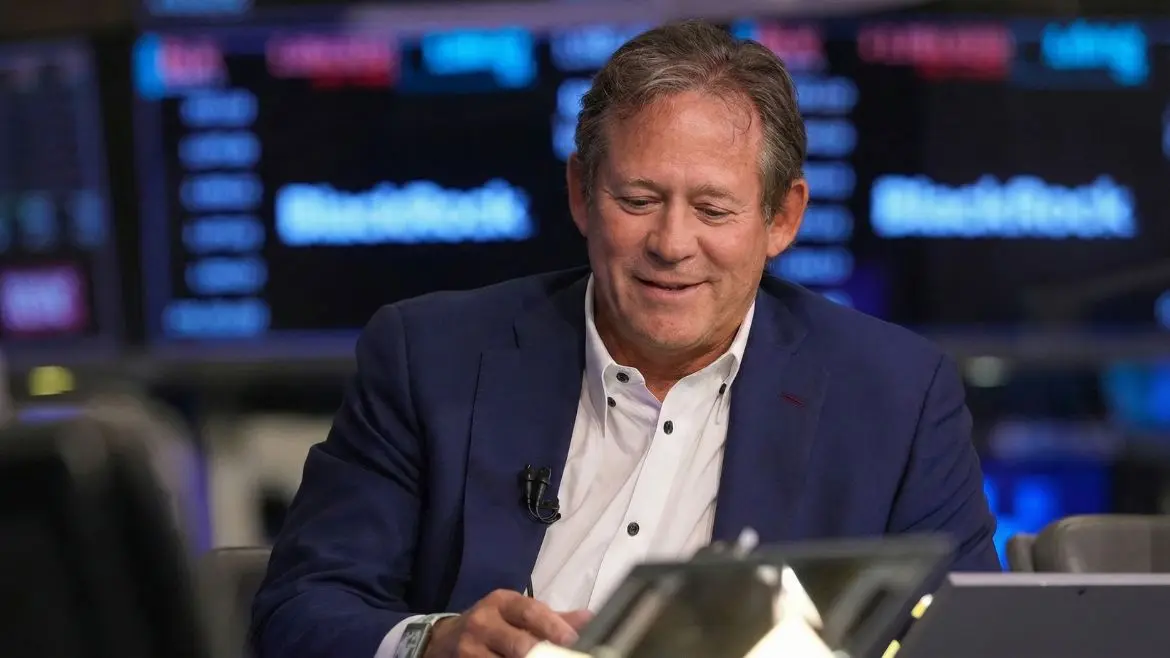
- Rick Rieder: The Chief Investment Officer of Global Fixed Income at BlackRock was a strong contender. Rick Rieder Federal Reserve nomination rumors circulated for weeks, suggesting Trump wanted a market veteran who managed trillions in assets. Rieder is viewed as highly pragmatic but lacks the government experience Warsh possesses.
- Kevin Hassett: The former Chairman of the Council of Economic Advisers was also in the mix. Hassett is a loyal Trump ally but was perhaps seen as too political for the independent Fed role compared to Warsh.
- Marc Rowan: The CEO of Apollo Global Management was considered, fitting the mold of a “financial titan,” but Warsh’s previous Senate confirmation experience likely gave him the edge.
Ultimately, the choice of Kevin Warsh balances Trump’s desire for a disruptor with the Senate’s need for a qualified, confirmable nominee.
Market Reaction to the Potential Nomination
Wall Street hates uncertainty, but it loves pro-business policy. The Market reaction to Trump Fed announcement is expected to be volatile but generally positive in the medium term.
- The Bond Market: Bond traders are watching closely. If Kevin Warsh signals a rapid reduction in the Fed’s balance sheet, yields on 10-year Treasuries might spike initially before settling.
- The Stock Market: Equities generally rally on the prospect of deregulation and lower rates. The impact of new Fed Chair on stock market 2026 could see a boost in banking and industrial stocks, sectors that would benefit most from Warsh’s deregulatory stance.
- The Dollar: Warsh has historically defended the strength of the dollar. His appointment might strengthen the USD, as foreign investors view him as a guardian of the currency’s value against inflation.
Timeline for Confirmation
Once Trump makes the announcement on Friday morning, the clock starts ticking. The Timeline for new Federal Reserve Chairman confirmation involves several steps:
- Formal Nomination: The White House sends the nomination to the Senate.
- Committee Hearings: Kevin Warsh will appear before the Senate Banking Committee. Given his previous confirmation in 2006, he is expected to navigate this well, though Democrats will likely grill him on his criticism of Powell.
- Senate Vote: A simple majority is required. With a Republican-controlled Senate, Warsh’s confirmation is highly likely, potentially seating him as the New Fed Chairman by May 2026 when Powell’s term officially expires.
Conclusion
As the Trump Fed Chair announcement approaches, Kevin Warsh stands on the precipice of becoming the most powerful economic official in the world. His appointment would mark a distinct pivot from the Powell era, moving away from data-dependent caution toward a more aggressive, market-oriented strategy.
For the American consumer and investor, a Warsh-led Fed promises a focus on price stability and potentially lower Interest Rates 2026 through balance sheet discipline. Whether he can successfully navigate the “Trump Economy” while maintaining the Fed’s independence remains the trillion-dollar question. But come Friday morning, the era of Kevin Warsh appears set to begin.
Frequently Asked Questions (FAQs)
1. Who will replace Jerome Powell as Fed Chair? Kevin Warsh is the leading candidate and expected nominee. President Trump is scheduled to make the official Fed Chair Announcement on Friday morning, January 30, 2026.
2. What are Kevin Warsh’s views on inflation? Kevin Warsh believes inflation is largely a result of Fed policy errors, specifically the massive expansion of the money supply. He advocates for a “revival” of sound money principles to keep prices stable.
3. Why is Trump replacing Jerome Powell? President Trump has expressed frustration with Powell’s refusal to lower interest rates faster. He seeks a Powell Replacement who is more aligned with his vision of stimulating the economy through lower borrowing costs and deregulation.
4. Has Kevin Warsh worked at the Federal Reserve before? Yes. Kevin Warsh served as a Governor on the Federal Reserve Board from 2006 to 2011. He was appointed by President George W. Bush and was the youngest governor in the Board’s history.
5. How will the stock market react to Kevin Warsh? The impact of new Fed Chair on stock market 2026 is expected to be positive for banking and financial sectors due to his deregulatory stance. However, his views on reducing the balance sheet could introduce initial volatility in the bond market.
Visit Vic Waves for the latest trending USA news, updates, and insights you may have missed today, and more stories.