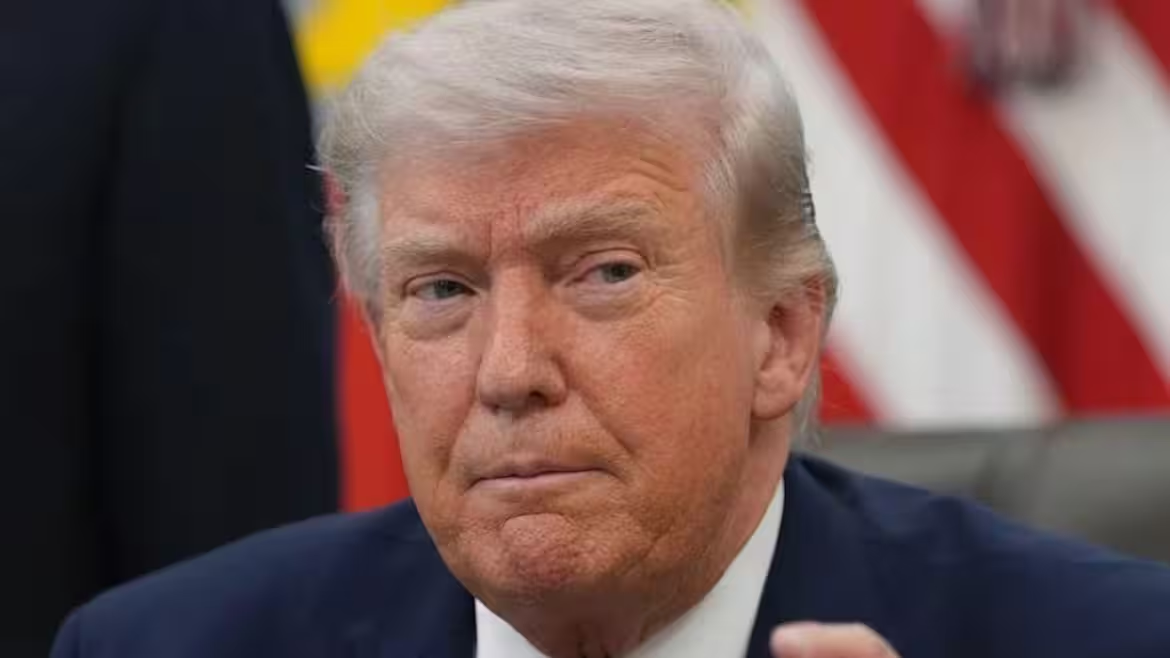

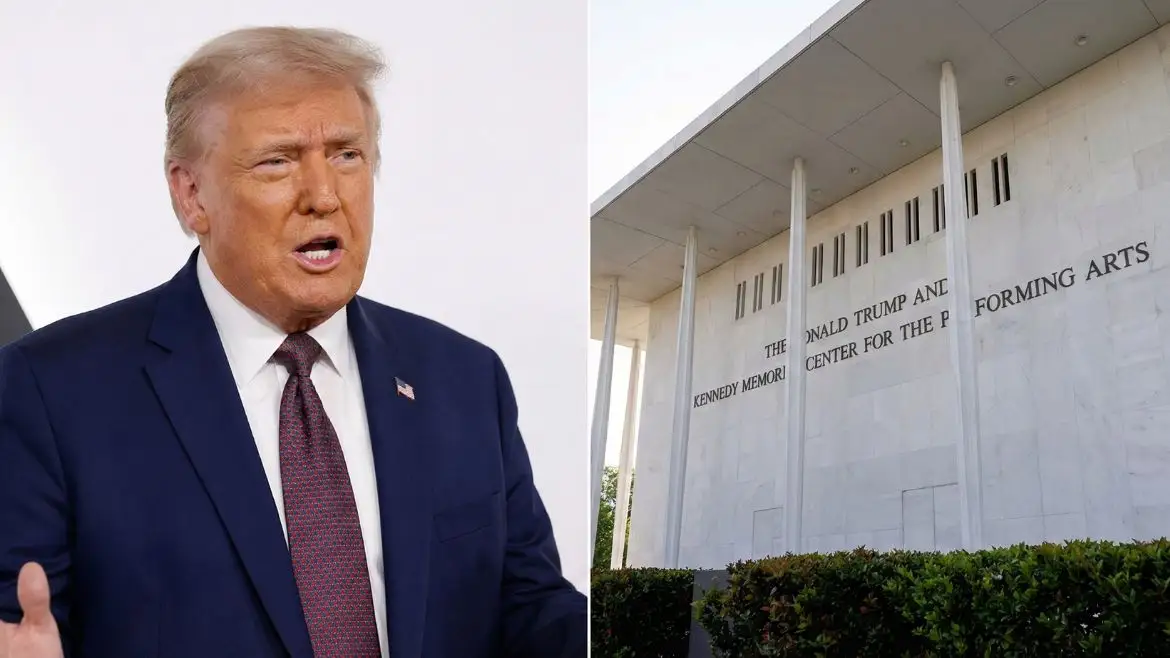
The American arts landscape shook this week following President Donald Trump’s announcement that the Kennedy Center will close its doors for a mandatory two-year “revitalization” period starting July 4, 2026. What was once the premier cultural hub of Washington DC is now the epicenter of a fierce political and cultural battle. From the Trump Order to rename and shutter the facility to the cancellation of major productions like Hamilton and Philip Glass premieres, the future of this living memorial is uncertain. This article dives deep into the Trump executive order John F. Kennedy Center details, the legal feasibility of the move, and what it means for the thousands of employees, tourists, and patrons who hold the center dear.
Table of Contents
- The Shockwave: Trump Closes Kennedy Center
- Decoding the Executive Order: “Renovation” or Shutdown?
- The Culture War: “Woke” Programming vs. Artistic Freedom
- Economic and Cultural Fallout in Washington DC
- Impact of Kennedy Center Closure on DC Tourism
- What Happens to Kennedy Center Employees If It Closes?
- Legal and Political Battlegrounds
- Can the President Close the Kennedy Center?
- Congressional Reaction to Trump Closing Kennedy Center
- Financial Reality: Federal Funding vs. Private Donations
- Will the Kennedy Center Honors Happen in 2026?
- Conclusion
- Frequently Asked Questions (FAQs)
The Shockwave: Trump Closes Kennedy Center
For over 50 years, the John F. Kennedy Center for the Performing Arts has stood as a marble beacon on the banks of the Potomac, symbolizing the nation’s commitment to culture. However, early in February 2026, that stability was upended. In a move that surprised both its patrons and the international arts community, President Trump announced that the Kennedy Center would cease all entertainment operations for approximately two years.
The announcement, delivered via social media, framed the closure not as an end, but as a “rebirth.” The President declared that the facility, which his administration had previously controversially rebranded as the “Trump Kennedy Center,” was “tired, broken, and dilapidated.” The directive is clear: the Kennedy Center will go dark on Independence Day, July 4, 2026, the nation’s 250th anniversary.
This isn’t just a local DC story; it is a flashpoint in the broader Culture War. The center has long been considered a “living memorial” to President Kennedy, representing a bipartisan appreciation for the arts. Now, it finds itself at the center of a storm involving Arts Funding, presidential power, and the definition of American culture itself.
Decoding the Executive Order: “Renovation” or Shutdown?
To understand the gravity of the situation, we must look at the specific Trump executive order John F. Kennedy Center details. The order mandates a full suspension of performances to facilitate a “Complete Rebuilding.”
The Official Rationale
According to the administration, the Kennedy Center is structurally and financially unsound. The President stated, “I have determined that the fastest way to bring The Trump Kennedy Center to the highest level of Success, Beauty, and Grandeur is to cease Entertainment Operations.” The plan purportedly involves massive construction projects that would be impossible with daily foot traffic.
The Skeptics’ View
Critics, however, view the “renovation” narrative with deep suspicion. Many argue this is a tactical Defund strategy disguised as construction. The announcement comes on the heels of significant tension between the White House and the arts community. By forcing a closure, the administration effectively halts the “woke programming” it has frequently criticized. The Trump plan to repurpose Kennedy Center building remains vague, with some fearing the “new spectacular Entertainment Complex” promised might bear little resemblance to the performing arts center of the past.
The Culture War: “Woke” Programming vs. Artistic Freedom
The friction between the Kennedy Center and the current administration didn’t start with the closure order. It has been brewing since the start of Trump’s second term. The President has frequently targeted Trump administration culture war targets 2026, and the Kennedy Center was high on that list.
Artistic Backlash
The tension reached a boiling point when the President reshuffled the board of trustees, installing allies who supported a rebranding of the institution. In response, the artistic community revolted.
- Composer Philip Glass pulled the world premiere of his symphony.
- The Washington National Opera announced it would no longer perform at the venue.
- The touring production of Hamilton canceled its engagement.
The President’s rhetoric regarding Trump speech Kennedy Center woke programming has been sharp. He has accused the institution of drifting from “American traditions” and catering to niche political interests. Conversely, artists argue that the Kennedy Center must remain a bastion of free expression, independent of the political whims of the sitting President.
Economic and Cultural Fallout in Washington DC
The closure is not just an ideological blow; it is a financial catastrophe for the District of Columbia. The Kennedy Center is the busiest performing arts facility in the United States, hosting roughly 2,000 performances a year.
Impact of Kennedy Center Closure on DC Tourism
Washington DC relies heavily on cultural tourism. The Impact of Kennedy Center closure on DC tourism will be measured in the millions of dollars. Hotels, restaurants in Foggy Bottom, and local transport services depend on the steady stream of patrons attending operas, ballets, and concerts. With the Smithsonian museums occasionally threatened by government shutdowns, the Kennedy Center was often the reliable constant. Its absence leaves a massive void in the city’s nightlife and cultural appeal.
What Happens to Kennedy Center Employees If It Closes?
Perhaps the most distressing aspect of the closure is the human cost. What happens to Kennedy Center employees if it closes?
- Ushers and Box Office Staff: Most face immediate layoffs.
- Stagehands and Technicians: The closure threatens the livelihoods of hundreds of union workers.
- Administrative Staff: While some may be retained to oversee the “renovation,” many departments related to programming and education face elimination.
The uncertainty has led to a plummet in morale, with unions scrambling to understand if federal budget provisions or unemployment benefits will cover this unprecedented “administrative” shutdown.
Legal and Political Battlegrounds
The order to close the Kennedy Center has triggered an immediate legal response. Groups like Democracy Defenders Action are already mobilizing to file injunctions.
Can the President Close the Kennedy Center?
This is the multimillion-dollar question. Can the President close the Kennedy Center? The answer is complex.
- The Federal Connection: The KennedyCenter is technically a bureau of the Smithsonian Institution (though independently administered) and receives federal budget appropriations for maintenance. The President appoints the board of trustees.
- The Limits: However, the center was established by the National Cultural Center Act of 1958 and the John F. KennedyCenter Act. Legal scholars argue that while the President manages the board appointments, unilaterally shutting down a Congressionally authorized memorial may violate the separation of powers.
Congressional Reaction to Trump Closing Kennedy Center
The Congressional reaction to Trump closing Kennedy Center has been predictably split but intense.
- Democrats response to arts funding cuts 2026: Democratic leaders have condemned the move as an “illegal power grab” and an insult to JFK’s legacy. They are promising to block any funding that facilitates the closure or the rebranding.
- Trump vs Kennedy Center board: While Trump’s appointees on the board support the move, there remains internal friction. Some legacy members and donors are horrified, leading to a fracture in the institution’s governance.
Financial Reality: Federal Funding vs. Private Donations
To understand the vulnerability of the center, one must understand its unique financial structure. Is the Kennedy Center a federal agency? It is a public-private partnership.
Kennedy Center Federal Funding Explanation
The KennedyCenter receives an annual federal appropriation, but this money is strictly earmarked for the building’s maintenance, security, and capital repairs—essentially keeping the lights on and the roof from leaking. It does not pay for the art.
The Role of Donations
The artistic programming—the ballet, the jazz, the theater—is funded almost entirely by ticket sales and private donations. The Kennedy Center donations after Trump announcement have become a battleground. While some conservative donors may support the “revitalization,” many traditional philanthropic sources have dried up in protest of the “Trump KennedyCenter” rebranding. This drop in private revenue (ticket sales were reportedly down 43% in late 2025) gave the administration the leverage it needed to claim the center was “financially broken.”
Will the Kennedy Center Honors Happen in 2026?
The Kennedy Center Honors is one of the most prestigious cultural events in America, broadcast annually in December. With the closure slated for July 4, 2026, the question arises: Will the Kennedy Center Honors happen in 2026?
If the building is shuttered, the traditional gala in the Opera House cannot take place. There is speculation that the event could be:
- Moved: Hosted at a different venue in DC or NYC (though this would break decades of tradition).
- Cancelled: A hiatus for the duration of the closure.
- Modified: A smaller ceremony at the White House, though given the animosity between the arts community and the President, securing honorees willing to attend might prove difficult.
History of Kennedy Center Government Funding
The History of Kennedy Center government funding has always been a tug-of-war. Established under Eisenhower and renamed under Johnson, it was the first time the federal government helped finance a structure dedicated to the performing arts.
Over the decades, Republicans have often questioned the necessity of the federal subsidy, while Democrats have championed it as a vital investment in the national soul. However, Trump arts funding cuts 2026 represent the most aggressive move against the institution to date. Unlike previous budget squabbles, this isn’t just about trimming the fat; it’s about locking the doors.
The Future of the “Living Memorial”
As the July 4th deadline approaches, the “Save the KennedyCenter” movement is gaining steam. There are protests planned, legal briefs being filed, and op-eds being written.
David Rubenstein, a major benefactor and former chairman, has historically tried to bridge the gap between the center’s bipartisan mission and political realities. However, the David Rubenstein Kennedy Center Trump reaction (and that of other major donors) will be pivotal. If the private money walks away permanently, the center may become exactly what the critics fear: a hollowed-out monument, renovated in name only, stripped of the art that gave it life.
Conclusion
The order to close the KennedyCenter in 2026 is a watershed moment for American culture. It highlights the fragility of our public institutions when caught in the crosshairs of political polarization. Whether the closure is a genuine attempt at “revitalization” or a strategic move in a culture war, the result is the same: silence in the concert halls.
As we look toward July 4, 2026, the fate of the KennedyCenter remains in the balance. Will Congress intervene? Will the courts issue an injunction? Or will the curtain fall on the nation’s stage for a long, quiet intermission? The coming months will determine if the “living memorial” to JFK can survive this new era of upheaval.
Frequently Asked Questions (FAQs)
1. Why is Trump defunding the Kennedy Center? President Trump argues that the KennedyCenter is “tired, broken, and dilapidated” and requires a two-year closure for complete renovation. He has also criticized the center’s “woke” programming and declining ticket sales as reasons for a total overhaul.
2. Can the President close the Kennedy Center legally? Legal experts are divided. While the President appoints the board of trustees, the KennedyCenter was established by an Act of Congress. Legal challenges to Trump Kennedy Center order are expected to argue that a unilateral executive shutdown violates the center’s congressional mandate.
3. What is the Kennedy Center statement on closure? As of now, the KennedyCenter leadership is in a state of flux due to the board reshuffle. The official stance from the Trump-controlled board aligns with the President’s renovation plan, while former leadership and staff have expressed shock and dismay.
4. Is the Kennedy Center a federal agency? It is a public-private partnership. It serves as a federal memorial (receiving federal budget for maintenance) but operates its artistic programming as a non-profit organization funded by donations and tickets.
5. How can I help Save the Kennedy Center? Arts advocacy groups are urging citizens to contact their representatives in Congress to support legislation that would protect the center’s funding and operational status. There are also various Save the KennedyCenter petitions circulating online.
6. Will the Kennedy Center Honors happen in 2026? It is currently unclear. With the closure starting in July, the December ceremony is in jeopardy. It may be moved to another location or cancelled for the year.
Visit Vic Waves for the latest trending USA news, updates, and insights you may have missed today, and more stories.