

This article explores the enduring legacy of Rosa Parks on her 113th birthday, February 4, 2026. Across the United States, transit agencies are celebrating Transit Equity Day by offering free rides and dedicating tribute buses to the civil rights icon. We delve into how cities like Los Angeles, Denver, and Fort Wayne are honoring Rosa Parks through modern public transportation initiatives. From the history of the bus boycott to Transit Equity Day 2026 events near me, this guide provides everything you need to know about the commemoration of a woman who changed history by simply taking a seat.
Table of Contents
- Introduction
- Who Was Rosa Parks? A Civil Rights Icon
- What is Transit Equity Day?
- Celebrations Across the USA in 2026
- Los Angeles: LA Metro and Regional Free Fares
- Denver: RTD and the Zero Fare Initiative
- Fort Wayne: Citilink’s Moving Tribute
- The Significance of the Tribute Bus
- Why Transit Equity Matters Today
- Conclusion
- Frequently Asked Questions (FAQs)
Introduction
On February 4, the United States pauses to honor the birthday of Rosa Parks, a woman whose quiet courage sparked a revolution. In 2026, her legacy is more vibrant than ever, celebrated not just in history books, but on the very buses and trains that move millions of Americans every day. This date has come to be known as Transit Equity Day, a national day of action that highlights the rights of all people to high-quality, accessible public transportation.
For many commuters, February 4, 2026, offers a tangible benefit: free rides. From the sunny streets of Los Angeles to the snowy avenues of Denver, transit agencies are waiving fares to honor the Rosa Parks 113th birthday. But beyond the zero fare passes, this day serves as a powerful reminder of the Rosa Parks civil rights transit legacy. It is a day to reflect on how a single act of defiance in 1955 paved the way for the public transportation equity initiatives 2026 we see today.
Who Was Rosa Parks? A Civil Rights Icon
To understand the celebrations, we must first look back at the woman at the center of it all. Rosa Parks was born on February 4, 1913. While many know the story of her refusing to give up her seat on a Montgomery, Alabama bus, fewer understand the depth of her activism. She wasn’t just tired physically; she was tired of injustice.
On December 1, 1955, her arrest ignited the Rosa Parks bus boycott history tells us lasted for 381 days. It was a grueling time where the African American community in Montgomery walked miles to work rather than submit to segregation. Her bravery, combined with the strategic brilliance of leaders like Dr. Martin Luther King Jr., eventually led to a Supreme Court ruling. This legal victory marked the bus segregation unconstitutional anniversary, fundamentally changing American society.
Today, when we discuss Rosa Parks, we are discussing the concept that freedom of movement—the ability to get to work, school, or a doctor’s appointment without discrimination—is a civil right.
What is Transit Equity Day?
Transit Equity Day is observed annually on February 4 to coincide with Rosa Parks‘ birthday. It is a collaborative effort by labor unions, community organizations, and transit riders unions to promote public transit as a civil right and a strategy to combat climate change.
The Transit Equity Day meaning goes beyond just honoring the past. It addresses current disparities. In many U.S. cities, low-income communities and communities of color rely most heavily on public transit yet often face the longest commute times or poorest service.
In 2026, the message is clear: investment in public transit is an investment in social justice. Agencies are using this day to highlight new improvements, such as the regional transportation district zero fare day policies and better route accessibility. It is a push to ensure that the system works for everyone, regardless of income or zip code.
Celebrations Across the USA in 2026
If you are wondering about Transit Equity Day 2026 events near me, major cities across the nation are participating with enthusiasm. The focus this year is on accessibility, education, and, of course, free transportation.
Los Angeles: LA Metro and Regional Free Fares
In Southern California, the celebration is massive. The LA Metro has announced that all buses, trains, and bike shares are free to use on February 4. This initiative allows residents to navigate the sprawling city without needing to tap their cards.
LA Metro free fares February 4 2026 is a significant event because it encompasses more than just the Metro. Riders can also enjoy free rides on Metrolink and LADOT (Los Angeles Department of Transportation) services. The goal is to remove financial barriers, even for just one day, to demonstrate what a fully equitable transit system could look like.
Additionally, for those who prefer two wheels, there is a free LA Metro bike share code available for 30-minute rides throughout the day. If you are in LA, simply board the bus or train; turnstiles will be unlatched, and fare boxes will be covered.
Denver: RTD and the Zero Fare Initiative
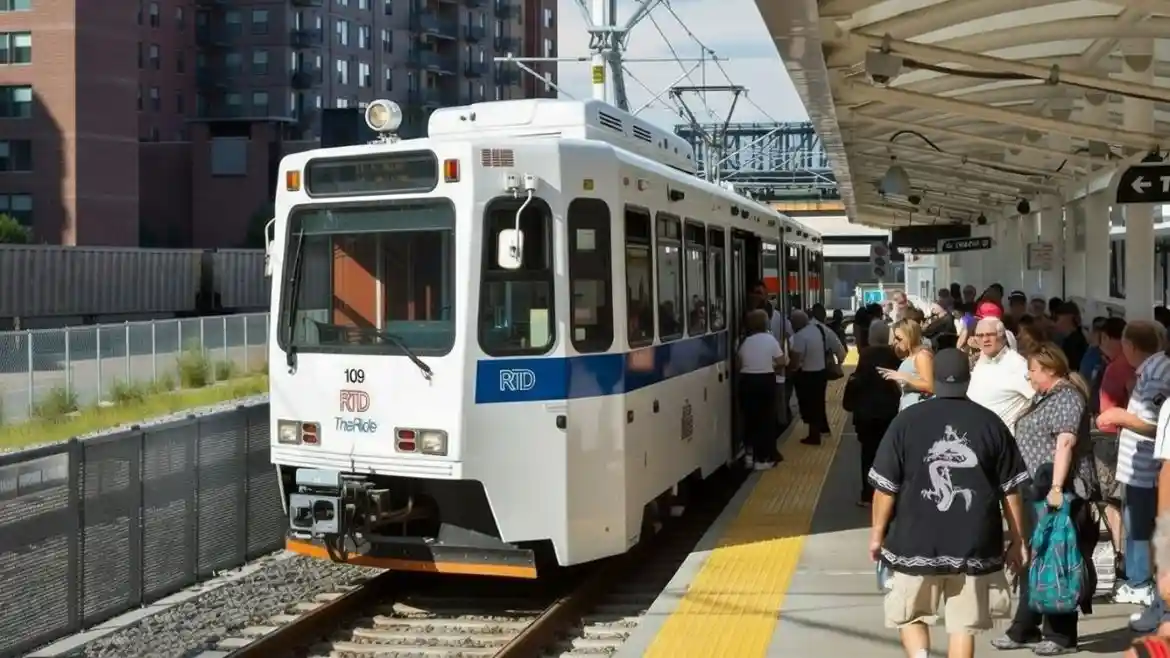
Moving to the Rockies, the RTD Denver (Regional Transportation District) is joining the national movement. The RTD Denver free bus and rail rides program for Transit Equity Day encourages residents to leave their cars at home.
Denver has been a leader in experimenting with fare-free periods to reduce ozone levels, and they are applying that same logic to honor Rosa Parks. If you are looking for the RTD Denver schedule free ride information, the agency has stated that all services will run on a standard weekday schedule, but no tickets are required. This zero fare day is designed to reintroduce the community to the benefits of public transit while honoring the struggle for equal access.
Fort Wayne: Citilink’s Moving Tribute
In Indiana, the Citilink bus service in Fort Wayne is taking a creative and educational approach. The Fort Wayne Citilink Rosa Parks tribute bus is a highlight of the local news. This isn’t just a regular vehicle; it is a rolling museum.
According to Citilink Fort Wayne news, a special seat on every bus has been reserved with Rosa Parks commemorative bus seat signage. These signs explain her history and the importance of the seat she refused to yield. Furthermore, Citilink is hosting a Citilink Electric Works transit event, bringing the community together to discuss the future of local transportation and honor the memory of Rosa Parks.
The Significance of the Tribute Bus
One of the most touching traditions of Transit Equity Day is the “Bus Tribute.” Across the country, transit agencies engage in this symbolic gesture. They leave one seat open—usually the first seat behind the driver—marked with a placard, a flower, or a photograph of Rosa Parks.
This bus tribute serves as a visual reminder to every passenger who boards. It forces us to pause and acknowledge that the privilege of sitting anywhere on the bus was fought for and won through immense sacrifice. In 2026, seeing these reserved seats on high-tech electric buses bridges the gap between the 1950s struggle and the modern commuter experience.
Whether you are on a Citilink bus in Indiana or an LA Metro train in California, keep an eye out for these memorials. They are small but powerful symbols of the Rosa Parks civil rights transit legacy.
Why Transit Equity Matters Today
Why do we still talk about transit equity in 2026? The reality is that transportation remains a barrier for millions of Americans. Rosa Parks fought for the right to sit, but today the fight is for the right to ride—affordably and reliably.
Public transportation equity initiatives 2026 focus on:
- Affordability: Ensuring that rising fares do not price out essential workers.
- Access: Making sure routes serve “transit deserts” where car ownership is low.
- Safety: Ensuring that all riders, regardless of gender or race, feel safe while traveling.
- Sustainability: Recognizing that efficient public transit is key to fighting climate change.
When agencies offer Transit Equity Day 2026 free rides, they are highlighting the economic freedom that comes with mobility. Without reliable transport, people cannot access better jobs, education, or healthcare. By honoring Rosa Parks, we recommit to the idea that mobility is a human right.
Conclusion
As we celebrate the Rosa Parks 113th birthday, the message resonates clearly from coast to coast. From the LA Metro TAP card free waivers to the Regional Transportation District zero fare day in Denver, the spirit of the civil rights movement is alive and moving.
Rosa Parks taught us that change can start with a single person and a single action. Today, we honor her not just by remembering the past, but by utilizing the public resources she fought to democratize. So, on this February 4, take advantage of the free bus day February 4. Ride a bus, take a train, and if you see a seat reserved with a special sign, take a moment to say thank you to Rosa Parks. Her journey made ours possible.
Frequently Asked Questions (FAQs)
1. Is public transit free today, February 4, 2026? In many major cities, yes. Agencies like LA Metro, RTD Denver, and others are offering Transit Equity Day 2026 free rides to honor Rosa Parks. However, you should check your local transit authority’s website to confirm participation.
2. How to ride transit for free on Transit Equity Day? For most participating systems like RTD Denver or LA Metro, you simply board the bus or train. You do not need to tap your card or buy a ticket. Turnstiles are usually unlocked, and fare boxes are covered. If using a bike share, look for a ride LA Metro free code or similar promo codes online.
3. What is the Rosa Parks commemorative bus seat signage? This is a tribute where transit agencies place a sign or a placard on a specific seat (usually in the front) to reserve it in honor of Rosa Parks. It serves as a memorial to her refusal to give up her seat in 1955.
4. What are the specific events in Fort Wayne? Fort Wayne is hosting a Citilink Electric Works transit event and has deployed a Fort Wayne Citilink Rosa Parks tribute bus. They are reserving seats on buses with commemorative signage to educate riders.
5. Why is Transit Equity Day celebrated on February 4? February 4 is celebrated because it is Rosa Parks’ birthday. Activists and transit unions chose this date to link her civil rights struggle with the modern fight for accessible and affordable public transportation.
Visit Vic Waves for the latest trending USA news, updates, and insights you may have missed today, and more stories.