
In a significant legal blow to California’s efforts to regulate federal law enforcement, a federal judge has blocked the state’s controversial “No Secret Police Act.” The California mask ban, intended to prevent ICE agents and other officers from hiding their identities behind face coverings, was deemed discriminatory against the federal government. However, the court upheld a separate requirement for agents to display visible identification. This article breaks down the ruling by Judge Christina Snyder, the reaction from Senator Scott Wiener, and what this means for the ongoing clash between California and the federal administration.
Table of Contents
- Introduction
- The “No Secret Police Act” (SB 627): A Push for Transparency
- Why Judge Christina Snyder Blocked the Ban
- The Badges Stay: A Partial Victory with SB 805
- Safety vs. Accountability: The Core Debate
- Political Fallout: Scott Wiener & The DOJ Clash
- What’s Next for the California Mask Ban?
- Conclusion
- Frequently Asked Questions (FAQs)
Introduction
In February 2026, the ongoing tug-of-war between the State of California and the federal government took another sharp turn. A federal judge issued a preliminary injunction blocking the enforcement of the California mask ban for federal agents, specifically those working for Immigration and Customs Enforcement (ICE). The law, known as the “No Secret Police Act” (SB 627), was designed to increase police transparency by prohibiting law enforcement officers from wearing masks that conceal their identities during operations.
However, the implementation of this California mask ban hit a legal wall when the Department of Justice (DOJ) sued, arguing that the state was overstepping its authority. The ruling by Judge Christina Snyder has temporarily halted the ban, sparking a heated debate about officer safety, public accountability, and the limits of state power. While the mask prohibition is on hold, the court did deliver a mixed verdict, allowing other parts of California’s transparency package to stand. For residents watching the California vs DOJ legal battle unfold, this decision marks a critical moment in the fight over how federal power is exercised on state streets.
The “No Secret Police Act” (SB 627): A Push for Transparency
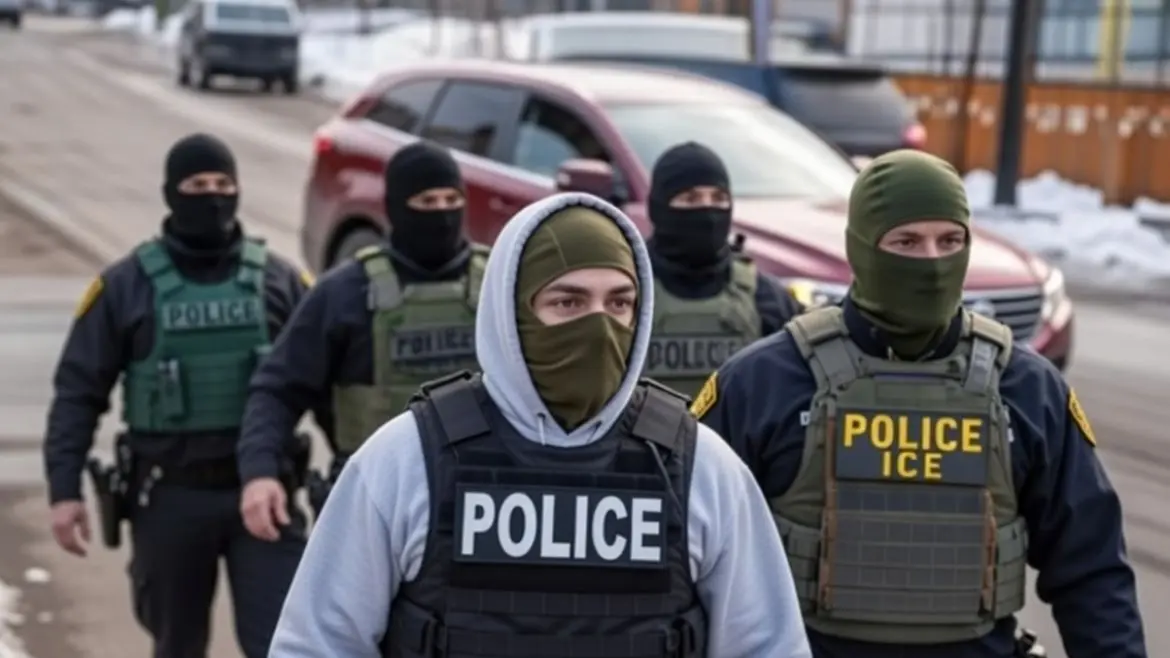
The legislation at the heart of this controversy is Senate Bill 627, authored by State Senator Scott Wiener. Dubbed the “No Secret Police Act,” the bill was signed into law by Governor Gavin Newsom in late 2025. Its primary goal was to end the practice of law enforcement officers—particularly federal agents conducting immigration raids—wearing balaclavas, neck gaiters, or other face coverings that obscure their features.
Proponents of the California mask ban argued that allowing agents to operate anonymously creates a climate of fear and lack of accountability, resembling “secret police” tactics. The law sought to ensure that if an officer committed misconduct, they could be identified by the public. Under SB 627, wearing a mask to evade identification would be prohibited for local and federal officers operating within California, with exceptions for undercover work and medical necessity.
However, the California mask ban faced immediate pushback from federal agencies. The DOJ argued that federal agent masks are essential for protecting the identities of officers who might face harassment or “doxxing” in a polarized political climate.
Why Judge Christina Snyder Blocked the Ban
On February 9, 2026, Judge Christina Snyder issued a ruling that effectively put the California mask ban on ice. But why was SB 627 blocked? The decision didn’t necessarily hinge on whether masks are good or bad, but rather on who the law targeted.
The Discrimination Argument
Judge Snyder found that the California mask ban violated the doctrine of intergovernmental immunity. This legal principle prevents states from regulating the federal government in a way that discriminates against it. The fatal flaw in SB 627 was that it banned masks for federal agents and local police but notably exempted state law enforcement officers, such as the California Highway Patrol (CHP).
Because the law treated federal agents differently than similarly situated state officers, Judge Snyder ruled it was unconstitutional. In her opinion, she noted that the California mask ban “unlawfully discriminates against federal officers.” This technicality—exempting the state’s own police force while restricting the feds—handed the Trump administration a legal victory in the California supremacy clause case.
The Badges Stay: A Partial Victory with SB 805
While the California mask ban was blocked, it wasn’t a total loss for California officials. The court declined to block a companion law, SB 805 (the “No Vigilantes Act”). This law requires most law enforcement officers, including federal agents, to display visible identification, such as a badge number or name tag, on their uniforms.
Judge Christina Snyder ruled that requiring ICE identification law compliance does not substantially interfere with federal operations. She noted that transparency is a legitimate state interest and that federal agents can perform their duties while displaying a badge. This aspect of the ruling is a significant win for police transparency CA advocates, ensuring that even if agents are masked, they cannot remain entirely anonymous.
The judge’s split decision highlights the nuance of the case: while the state cannot impose a discriminatory California mask ban, it can demand that armed agents operating in its communities are identifiable in some capacity.
Safety vs. Accountability: The Core Debate
The courtroom battle over the California mask ban centered on two competing narratives: the safety of the officers versus the safety of the public.
The DOJ’s Argument: Preventing Doxxing
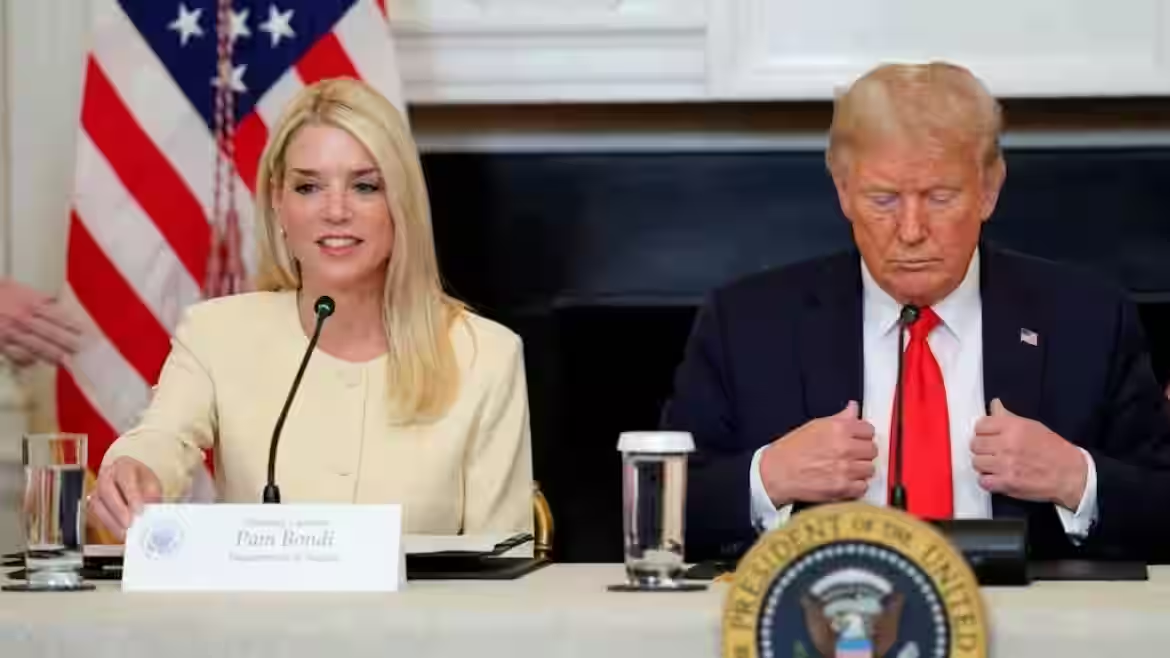
The Department of Justice, led by Attorney General Pam Bondi, argued that safety concerns for unmasked federal agents in California were paramount. They claimed that in an era of heightened political tension, revealing agents’ faces subjects them to doxxing (the malicious publication of private information), harassment, and threats to their families. The DOJ’s lawsuit against the California law enforcement mask ban framed the masks as necessary protective equipment, not unlike a bulletproof vest.
The Judge’s Counterpoint
Interestingly, Judge Snyder pushed back on the DOJ’s claims. In her ruling, she suggested that the presence of masked, unidentified agents might actually increase danger. She wrote that “the presence of masked and unidentifiable individuals, including law enforcement, is more likely to heighten the sense of insecurity for all.”
The judge pointed out that federal agent masks can make it difficult for civilians to distinguish between legitimate law enforcement and criminal imposters, a concern that drove the creation of the California mask ban in the first place.
Political Fallout: Scott Wiener & The DOJ Clash
The reaction to the ruling was swift and polarized, reflecting the broader California vs Trump administration masks conflict.
Scott Wiener: “Unmask These Thugs”
State Senator Scott Wiener, the architect of Scott Wiener SB 627, did not mince words. In a fiery statement following the mask ban injunction 2026, Wiener characterized the ruling as a roadmap to fixing the law rather than a defeat. Because the judge blocked the law due to the exemption of state officers, Wiener announced he would immediately introduce Scott Wiener new bill legislation to apply the California mask ban to all law enforcement, including state police.
“We will unmask these thugs and hold them accountable. Full stop,” Wiener declared, referring to what he views as the terrorizing tactics of ICE agents. His strategy is to remove the discriminatory exemption, thereby satisfying the court’s concerns and reinstating the California mask ban.
Pam Bondi: A Win for “Law and Order”
On the other side, US Attorney General Pam Bondi took a victory lap on social media. Celebrating the Federal judge blocks California law banning ICE masks decision, she framed it as a win for the President’s “law-and-order agenda.” The DOJ sees the blocking of the California mask ban as a necessary step to protect federal officers from state interference.
What’s Next for the California Mask Ban?
So, is the California mask ban dead? Not exactly. The legal fight is far from over, and the legislative machine in Sacramento is already turning.
Amending the Law
With the SB 627 ruling explained, California lawmakers know exactly what they need to fix. By introducing new legislation that applies the mask ban equally to state, local, and federal officers, they hope to bypass the intergovernmental immunity issue. If passed, this updated California mask ban would likely face another round of lawsuits, but the state would have a stronger constitutional argument.
The Timeline
For now, the California ICE mask ban is unenforceable. The preliminary injunction means federal agents can continue to wear face coverings during operations in California. However, the identification requirements of SB 805 are in effect. We can expect to see California law enforcement identification requirements 2026 become the new standard while the mask issue works its way through the courts or the legislature.
Conclusion
The blocking of the California mask ban is a complex chapter in the state’s ongoing resistance to federal overreach. While Judge Snyder’s ruling paused the No Secret Police Act, it also validated the state’s right to demand badges and identification. The decision has forced California lawmakers back to the drawing board to craft a more inclusive—and legally sound—California mask ban.
As Scott Wiener reaction to federal mask ban injunction shows, the state is not backing down. With ICE agent doxxing concerns on one side and demands for civil rights on the other, the California police mask ban update remains a developing story. For now, the masks stay on, but the badges must be visible—a compromise that satisfies neither side fully but sets the stage for the next battle in 2026.
Frequently Asked Questions (FAQs)
1. Why was California SB 627 declared unconstitutional? The California mask ban (SB 627) was blocked because it discriminated against the federal government. It banned masks for federal and local agents but exempted state officers (like the CHP), violating the intergovernmental immunity doctrine.
2. Can California require federal agents to wear badges? Yes. Judge Snyder upheld SB 805, which requires federal agents to display visible identification. While the California mask ban was blocked, the ID requirement stands.
3. Did Gavin Newsom sign the “No Secret Police Act”? Yes, Governor Gavin Newsom signed the act in late 2025. It was intended to increase accountability, but the California mask ban portion has now been temporarily blocked by a federal judge.
4. What is the difference between California SB 627 and SB 805? SB 627 is the California mask ban that prohibits face coverings. SB 805 is the “No Vigilantes Act” that requires visible identification (badges/names). SB 627 was blocked; SB 805 was upheld.
5. What happens next with the California mask ban? Senator Scott Wiener plans to introduce new legislation to extend the California mask ban to state officers. This would theoretically fix the discrimination issue cited by the judge and allow the ban to be enforced in the future.
6. Is there a California mask law for COVID? No, this article refers to the California mask ban for law enforcement officers concealing their identity, not public health mandates.
7. Why did the DOJ sue California? The DOJ lawsuit against California law enforcement mask ban argued that the state was interfering with federal operations and endangering agents by exposing their identities, which could lead to doxxing or harassment.
Visit Vic Waves for the latest trending USA news, updates, and insights you may have missed today, and more stories.