

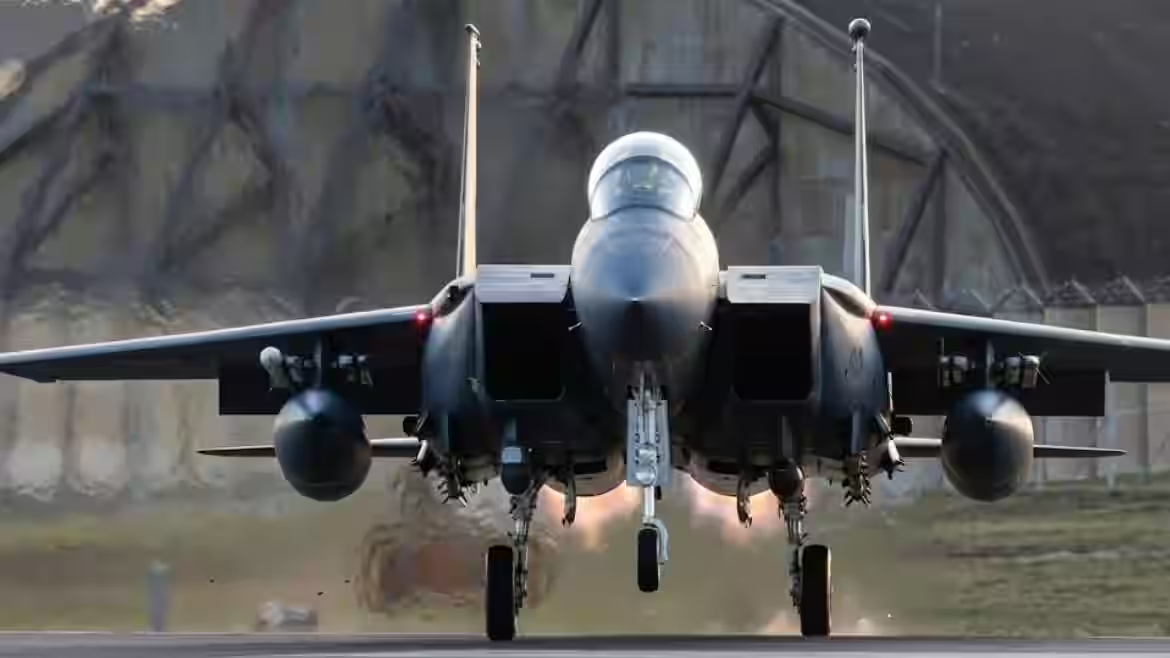
F15 Shot Down Iran: On April 4, 2026, Iranian forces downed two U.S. military aircraft, including an F-15E Strike Eagle and an A-10 Warthog. This marks a major turning point in the conflict, triggering urgent rescue operations and raising questions about U.S. military strategies in the region.
Table of Contents
- Iranian Forces Down U.S. Jets
- The Impact of the Losses on U.S. Air Superiority
- Combat Search and Rescue Operations Begin
- Public Reactions and Global Repercussions
- What’s Next for U.S. Forces in Iran?
- Frequently Asked Questions
Tensions between the United States and Iran escalated on April 4, 2026, when Iranian forces shot down two U.S. fighter jets, marking the first major aerial losses for the U.S. since the start of the war. The downing of an F-15E Strike Eagle and an A-10 Warthog has put U.S. forces on high alert, triggering a complex search-and-rescue mission in hostile territory.
F15 Shot Down Iran: Iranian Forces Down U.S. Jets
The first downing occurred in southwestern Iran, where an F-15E was targeted by what Iran claims is a new advanced air defense system. The second incident involved the A-10 Warthog near the Persian Gulf. While the A-10’s pilot was rescued, the second F-15E pilot remains missing, leading to a high-risk recovery mission.
The Impact of the Losses on U.S. Air Superiority
These losses are significant. Iran’s ability to successfully target U.S. aircraft demonstrates the growing capabilities of their air defense systems. This shift marks the first time U.S. fighter jets have been successfully shot down in this conflict, shaking American confidence in maintaining aerial dominance.
Combat Search and Rescue Operations Begin
Following the F-15E downing, U.S. Special Forces initiated a dangerous rescue operation to recover the missing pilot. Operating in hostile terrain, the mission is fraught with risk, including potential Iranian counterattacks. The success of this operation will be critical to mitigating further losses.
Public Reactions and Global Repercussions
The public’s response to these losses has been swift. Many Americans are concerned about the growing risks to U.S. personnel, while others fear the long-term implications of Iran’s increasing military capabilities. Global markets are also affected, with rising fuel prices as the Strait of Hormuz remains threatened.
What’s Next for U.S. Forces in Iran?
As the search for the missing pilot continues, U.S. forces are re-evaluating their tactics in the region. The risk to American lives is rising, and military leaders may need to adjust their strategy to avoid further casualties. The U.S. will also need to manage domestic pressure regarding the continued presence in the region.
Frequently Asked Questions
What happened when the F-15E was shot down over Iran?
The F-15E was downed by an Iranian air defense system, and one of the pilots was rescued. The second pilot remains missing, sparking a high-risk search-and-rescue operation.
What is Combat Search and Rescue (CSAR)?
CSAR is a mission designed to rescue military personnel who are behind enemy lines. U.S. Special Forces are currently conducting a CSAR mission to recover the missing pilot in Iran.
How will these downed jets impact U.S. military strategy?
The downing of two U.S. jets signals a shift in air superiority and increases the risks to U.S. personnel. The U.S. military may need to alter its strategies to adapt to Iran’s growing defense capabilities.
Visit Vic Waves for the latest trending USA news, updates, and insights you may have missed today, and more stories.