

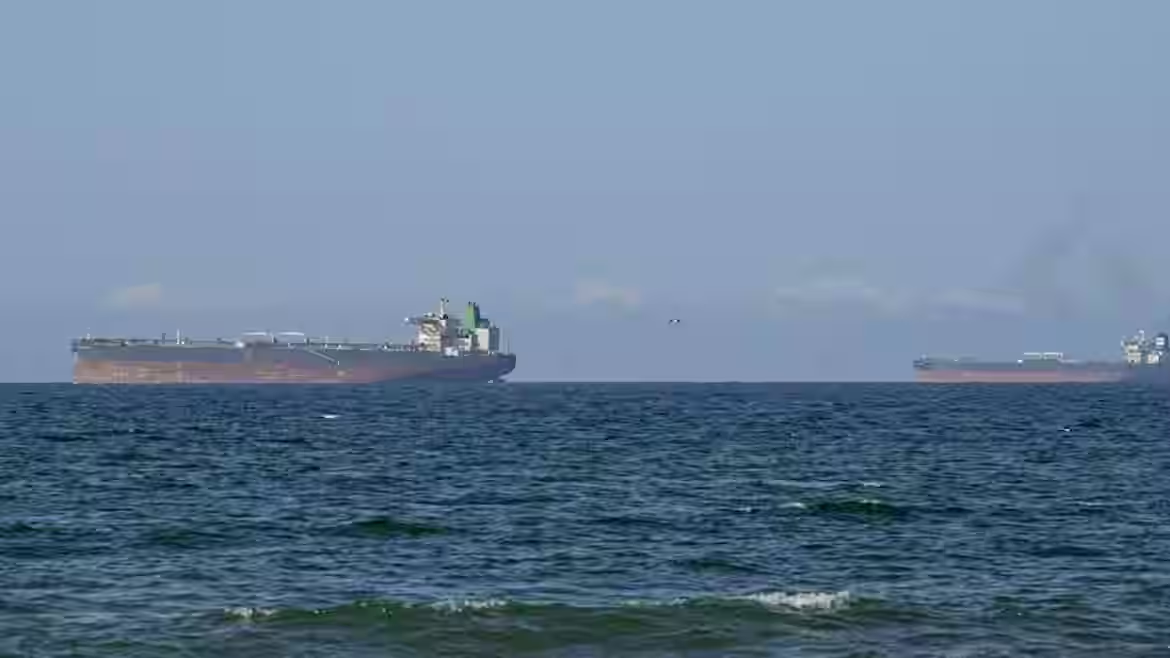
Strait of Hormuz News: Global markets are rattled after Iran moved to close the Strait of Hormuz again on April 18, 2026, escalating tensions with the United States and threatening global oil supply. Reports confirm tanker incidents, naval deployments, and rising fears of a wider conflict. Since nearly one-fifth of the world’s oil passes through this narrow waterway, the latest developments have sparked immediate concern about fuel prices, supply chains, and economic stability worldwide.
The renewed closure comes after a brief reopening that lasted less than 24 hours. Analysts warn that prolonged disruption could push crude oil prices sharply higher, while governments prepare for potential energy shortages and economic fallout.
Table of Contents
- Iran Re-Closes Strait of Hormuz
- Oil Tanker Attacks Escalate Conflict
- Oil Prices React Immediately
- Trump Response and U.S. Military Moves
- Why the Strait of Hormuz Matters
- Global Energy Markets Face Shock
- Impact on U.S. Gas Prices
- Shipping and Supply Chain Disruptions
- What Happens Next in the Iran Conflict
- FAQ: Strait of Hormuz News
The strait of hormuz news is dominating global headlines after Iran reimposed restrictions on the key maritime route. The move followed tensions over U.S. military operations and a continuing naval blockade targeting Iranian ports.
The narrow passage between the Persian Gulf and the Gulf of Oman is one of the world’s most critical oil routes. Any disruption immediately affects global markets, making the situation extremely sensitive.
1. Iran Re-Closes Strait of Hormuz
Iran announced that it had once again taken control of the Strait of Hormuz and imposed strict restrictions. Military authorities stated that access would remain limited as long as tensions with the United States continued.
The decision came just hours after ships attempted to pass through during a temporary reopening. The rapid reversal created uncertainty among shipping companies and energy traders worldwide.
2. Oil Tanker Attacks Escalate Conflict
Reports confirmed that Iranian forces fired on vessels attempting to navigate the strait. Maritime agencies indicated that tanker movements slowed immediately after the incident.
Several ships reportedly turned back after receiving warnings from Iranian naval units. These actions raised fears that the region could become an active military zone.
3. Oil Prices React Immediately
Energy markets reacted quickly to the closure, with traders anticipating supply shortages. Even small disruptions in the Strait of Hormuz historically trigger sharp price swings.
Analysts noted that crude prices surged as traders prepared for reduced oil supply. The rapid movement highlighted the fragile condition of global energy markets.
4. Trump Response and U.S. Military Moves
President Donald Trump addressed the situation and confirmed that U.S. naval forces would protect shipping routes. He emphasized that the United States would take necessary measures to keep the waterway open.
Military experts warned that clearing potential mines and securing shipping lanes could take time. Coalition forces are reportedly preparing contingency operations.
5. Why the Strait of Hormuz Matters
The Strait of Hormuz handles nearly 20 percent of global oil shipments. This makes it one of the most important energy chokepoints in the world.
Countries across Asia, Europe, and North America depend heavily on oil flowing through this narrow route. Even temporary closures can disrupt supply chains worldwide.
6. Global Energy Markets Face Shock
Financial markets reacted with volatility following the closure announcement. Investors rushed to assess the potential impact on energy supplies.
Oil companies and shipping firms began adjusting routes and delaying shipments. The uncertainty is expected to continue as the situation evolves.
7. Impact on U.S. Gas Prices
Rising crude oil prices typically lead to higher gasoline costs in the United States. Analysts warned that prolonged disruption could push fuel prices upward.
Consumers may see increases within days if shipping delays continue. The economic ripple effect could extend beyond fuel markets.
8. Shipping and Supply Chain Disruptions
Shipping companies are now reassessing routes through the Persian Gulf. Insurance costs for tankers have also increased sharply.
Global supply chains for food, manufacturing, and energy could face delays. Businesses are monitoring developments closely.
9. What Happens Next in the Iran Conflict
Diplomatic efforts continue as international leaders push for de-escalation. However, tensions remain high as military forces stay on alert.
The coming days will determine whether the crisis stabilizes or expands further. Markets and governments are preparing for multiple scenarios.
FAQ: Strait of Hormuz News
Why is the Strait of Hormuz important?
The Strait of Hormuz is a key global shipping route for oil and gas. Around one-fifth of the world’s oil passes through this narrow waterway daily. Any disruption quickly affects global energy prices and supply chains worldwide.
Did Iran close the Strait of Hormuz in 2026?
Yes, Iran re-closed the Strait of Hormuz on April 18, 2026. The move followed tensions with the United States and included restrictions on tanker movement, raising concerns about global oil supply.
How does the Strait of Hormuz affect oil prices?
When shipping is disrupted, global oil supply decreases. This leads to rising crude oil prices, which then affect gasoline prices, shipping costs, and overall economic stability worldwide.
If you’re searching for Web Development, AI Automation, or AWS Cloud Architecture services, visit Shabihaz for expert solutions. Don’t forget to explore VicWaves for the latest trending USA news, updates, and important stories.