

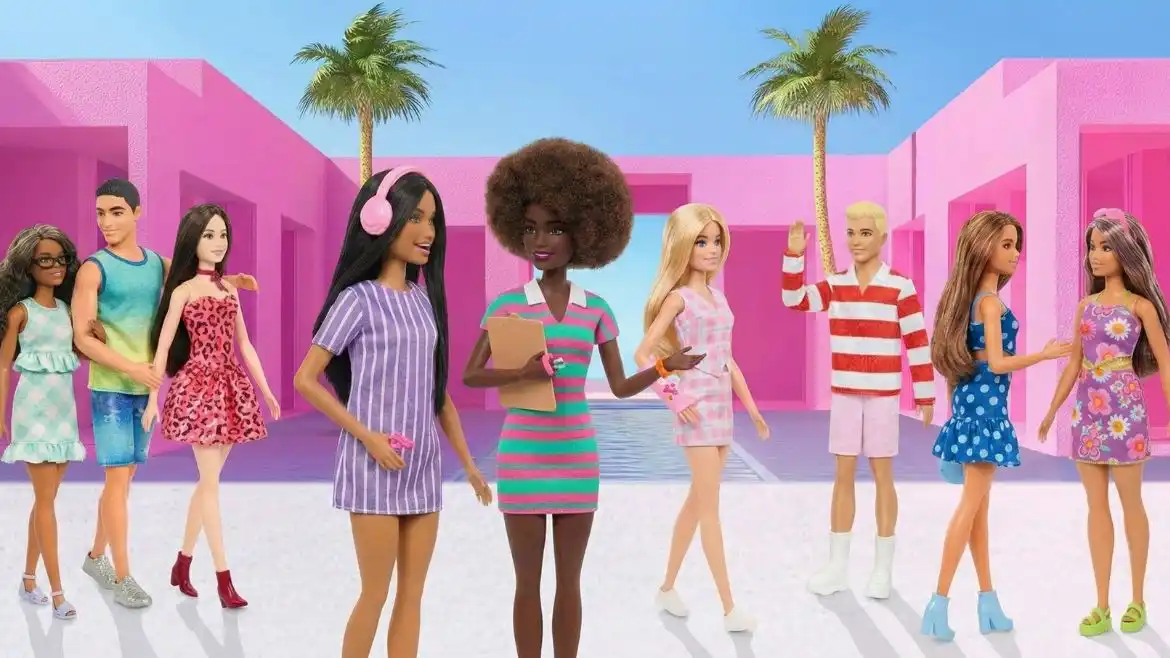
On January 12, 2026, Mattel made history by releasing the first-ever autistic Barbie doll. Developed in close partnership with the Autistic Self Advocacy Network (ASAN), this new addition to the Fashionistas line features sensory-friendly clothing, distinct articulation for stimming, and accessories like noise-canceling headphones. This article explores the doll’s design, the significance of the launch, and what it means for neurodivergent representation in the toy aisle.
Table of Contents
- Introduction
- The Launch of the First Autistic Barbie Doll
- Designing with Purpose: Features of the Autistic Barbie Doll
- Sensory-Friendly Fashion and Accessories
- Articulation and “Stimming”
- A Shifted Eye Gaze
- A Vital Partnership: Mattel and the Autistic Self Advocacy Network (ASAN)
- Inside the Barbie Fashionistas 2026 Collection
- Why Representation Matters: The Impact of Inclusive Barbie Dolls
- Conclusion
- Frequently Asked Questions (FAQs)
Introduction
For over six decades, Barbie has been a reflection of the times, evolving from a simple fashion model into a symbol of diversity and empowerment. On January 12, 2026, that legacy took a monumental leap forward. Mattel officially introduced the world to the first autistic Barbie doll, a release that has sparked joy and conversation across the USA. This isn’t just another doll on the shelf; it is a carefully crafted tribute to the neurodivergent community, designed to validate the experiences of millions of autistic children and adults.
The release marks a significant milestone in the toy industry’s journey toward inclusivity. By moving beyond physical disabilities to represent neurotypes, Mattel is sending a powerful message: everyone deserves to see themselves in the toys they play with. Whether you are a parent of an autistic child, a collector, or simply someone who champions diversity, the arrival of the autistic Barbie doll is a moment worth celebrating. In this article, we’ll dive deep into the specific features that make this doll unique, the collaboration behind its creation, and why this specific autistic Barbie doll is turning heads for all the right reasons.
The Launch of the First Autistic Barbie Doll
The release of the autistic Barbie doll was met with immediate acclaim following its debut in early 2026. Rumors of the doll had been circulating in collector communities for months, but the official reveal exceeded expectations. Mattel positioned this launch not as a niche offering, but as a headline addition to their main product line, ensuring it would be accessible on mass retailer shelves across the country, from Target to Walmart.
This autistic Barbie doll arrives at a time when conversations about neurodiversity are more prominent than ever. It joins a growing family of inclusive dolls, including those with Down syndrome, hearing aids, and vitiligo. However, capturing “autism” in a doll presented a unique challenge. Unlike physical traits, autism is largely invisible. Mattel’s solution was to focus on the experience of being autistic—how one interacts with the world, processes sensory input, and communicates. The result is a doll that feels authentic rather than performative, a “Barbie with autism” that resonates with lived experiences.
Designing with Purpose: Features of the Autistic Barbie Doll
What exactly does an autistic Barbie doll look like? This was the question on everyone’s mind. Mattel answered with a design that is subtle yet profoundly meaningful, incorporating details that many in the autistic community will instantly recognize and appreciate.
Sensory-Friendly Fashion and Accessories
One of the most praised aspects of the autistic Barbie doll is her wardrobe. Anyone familiar with sensory processing differences knows that clothing can often be a source of discomfort. To address this, the design team created a “sensory-friendly Barbie” outfit.
- The Dress: She wears a loose-fitting, purple pinstripe dress. The fabric is soft and designed to minimize skin contact, avoiding the scratchy tags or tight seams that can cause sensory overload.
- The Shoes: Instead of high heels that might imply discomfort or instability, she wears comfortable, flat purple sneakers, promoting a sense of groundedness and ease of movement.
The accessories are where the storytelling truly shines. The doll comes equipped with a pair of pink noise-canceling headphones—a ubiquitous tool for many autistic people to manage auditory overwhelm. Additionally, she carries a small, pink fidget spinner that can be clipped onto her hand, normalizing the use of stim toys as valid and helpful tools for regulation.
Articulation and “Stimming”
The physical construction of the autistic Barbie doll also sets her apart. While some Barbies are stiff, this doll features specific articulation in the elbows and wrists. This design choice was intentional. It allows the doll to be posed in ways that mimic “stimming” (self-stimulatory behavior), such as hand-flapping or rocking.
For decades, stimming was often stigmatized or corrected in therapeutic settings. By creating a Mattel autistic Barbie that can physically perform these movements, the brand is validating stimming as a natural and healthy way to express excitement or manage stress. It’s a design feature that says, “It is okay to move your body the way you need to.”
A Shifted Eye Gaze
Perhaps the most subtle yet poignant detail is the doll’s face. Unlike the classic Barbie who stares directly forward with intense eye contact, the autistic Barbie doll has an eye gaze that is slightly shifted to the side.
Many autistic individuals find direct eye contact uncomfortable or draining. By shifting the gaze, the doll represents a common autistic trait without caricature. It normalizes the idea that looking away doesn’t mean you aren’t listening or present—it just means you are processing the world differently.
A Vital Partnership: Mattel and the Autistic Self Advocacy Network (ASAN)
The success of this doll lies in who was in the room when it was being created. Mattel didn’t guess what autism looked like; they went to the experts. The Autistic Self Advocacy Network Barbie is the result of a robust partnership with ASAN, a non-profit organization run by and for autistic people.
ASAN’s involvement was comprehensive. They consulted on everything from the fabric of the dress to the packaging art. Their guidance ensured that the doll avoided harmful stereotypes. For instance, they advised against using puzzle piece imagery—a symbol often rejected by the autistic community—and instead leaned into the infinity symbol or simply the doll’s own unique traits.
This collaboration is a textbook example of the slogan “Nothing About Us Without Us.” By empowering autistic voices in the design process, Mattel ensured that the autistic Barbie doll wasn’t just a toy for neurotypical kids to “learn” about autism, but a toy for autistic kids to see themselves in.
Inside the Barbie Fashionistas 2026 Collection
The autistic Barbie doll is a standout star of the Barbie Fashionistas 2026 collection. This line has been the vehicle for Mattel’s most progressive moves in recent years. The 2026 cohort is arguably the most diverse yet, featuring dolls with varying body types, hair textures, and disabilities.
The Barbie Fashionistas 2026 line continues to challenge the “blonde, thin, and able-bodied” standard that defined the brand for decades. By placing the autistic Barbie doll alongside dolls with prosthetic limbs, wheelchairs, and hearing aids, Mattel frames neurodivergence as just another natural variation of the human experience. It normalizes disability and difference in the toy aisle, making it as common to buy a doll with headphones as it is to buy one with a purse.
Why Representation Matters: The Impact of Inclusive Barbie Dolls
Why is a plastic doll so important? For a young autistic child, seeing an autistic Barbie doll on the shelf can be a life-changing moment of validation. It is a tangible acknowledgement that they exist and that they matter in the cultural narrative.
Play is how children make sense of the world. When inclusive Barbie dolls are part of the playroom, they become tools for empathy.
- For Autistic Kids: It builds self-esteem. They can play out storylines where the protagonist wears headphones or uses an AAC tablet (another accessory included with the doll), just like them.
- For Non-Autistic Kids: It normalizes differences. A child who plays with this doll might be less likely to stare at a classmate who flaps their hands or avoids eye contact, viewing it instead as just “something Barbie does too.”
The autistic Barbie doll also serves as a conversation starter for parents. It provides an organic way to talk about neurodiversity, sensory needs, and kindness. In a country like the USA, where autism diagnoses are rising and awareness is growing, having cultural touchstones like this is essential for building a more accepting society.
Conclusion
The release of the autistic Barbie doll on January 12, 2026, is more than a corporate PR move; it is a celebration of neurodiversity woven into the fabric of American childhood. Through thoughtful design features like sensory-friendly clothing and a shifted eye gaze, and a critical partnership with the Autistic Self Advocacy Network, Mattel has delivered a product that feels both authentic and necessary.
As this autistic Barbie doll finds its way into homes across the USA, it carries with it a promise of a more inclusive future. It reminds us that there is no “wrong” way to be a Barbie, just as there is no wrong way to be a person. Whether she is wearing a ballgown or noise-canceling headphones, she is still Barbie—and now, she represents even more of us.
Frequently Asked Questions (FAQs)
When was the first autistic Barbie doll released? The first autistic Barbie doll was officially released by Mattel on January 12, 2026.
What accessories come with the Mattel autistic Barbie? The doll comes with several accessories designed to reflect autistic experiences, including pink noise-canceling headphones, a clip-on fidget spinner, and a communication (AAC) tablet.
Is the autistic Barbie doll sensory-friendly? Yes. The doll is described as a Sensory-friendly Barbie because of her clothing choices—a loose-fitting, soft purple dress and flat shoes—specifically chosen to prevent sensory overload issues often caused by rough fabrics or uncomfortable fits.
Who did Mattel partner with to create the Barbie with autism? Mattel collaborated closely with the Autistic Self Advocacy Network Barbie team (ASAN), a nonprofit advocacy group led by autistic individuals, to ensure the doll’s design and features were accurate and respectful.
Where can I buy the autistic Barbie doll? The doll is available at major retailers across the USA, including Target, Walmart, and Amazon, as part of the Barbie Fashionistas 2026 collection.
Does the doll look different from other Barbies? Yes, subtly. The autistic Barbie doll features an eye gaze that looks slightly to the side (representing a lack of direct eye contact) and has articulated joints to allow for hand-flapping and other self-stimulatory behaviors (stimming).
Visit Vic Waves for the latest trending USA news, updates, and insights you may have missed today, and more stories.