

The first major economic release of 2026 has arrived. On Tuesday, January 13, the Bureau of Labor Statistics (BLS) released the CPI report for December 2025, revealing that inflation held steady at an annual rate of 2.7%. While the headline number matched economist expectations, digging into the data reveals a complex picture of rising food prices, stubborn shelter costs, and a cooling trend in core goods. This article breaks down the key numbers, the market’s relieved reaction, and what this means for interest rates in the coming months.
Table of Contents
- Introduction
- The Headline Numbers: Inside the December Inflation Report
- Food and Shelter: The Drivers of Sticky Inflation
- Core Inflation: A Sign of Cooling Pressures?
- Market Reaction: Wall Street Breathes a Sigh of Relief
- The Fed Outlook: What This Means for Rate Cuts in 2026
- Conclusion
- Frequently Asked Questions (FAQs)
Introduction
The economic spotlight was firmly fixed on Washington D.C. this Tuesday morning as investors and policymakers awaited the latest CPI report. After a turbulent end to 2025, which saw data disruptions from a government shutdown and volatility in global energy markets, the January 13 release offered a crucial clarity check for the U.S. economy.
The report confirms that the battle against inflation is entering a “grind it out” phase. The Consumer Price Index (CPI) rose 0.3% in December, keeping the year-over-year rate unchanged at 2.7%. While this is significantly down from the peaks of previous years, it remains above the Federal Reserve’s 2% target. For American families, the CPI report validates what many feel at the checkout line: price growth has slowed, but the cost of living—particularly for groceries and rent—remains historically high.
The Headline Numbers: Inside the December Inflation Report
The CPI report for December 2025 landed almost exactly where economists predicted, avoiding the kind of upside surprise that sends markets into a tailspin.
- Monthly Change: The index rose 0.3% month-over-month.
- Annual Change: The headline inflation rate stood at 2.7% year-over-year, matching the reading from November.
This stability is a double-edged sword. On one hand, it suggests that inflation is not re-accelerating out of control. On the other, it indicates that the “last mile” of getting inflation down to 2% is proving to be the hardest. The December inflation report highlights that while goods prices have softened, the service sector continues to apply upward pressure on the overall index.
Food and Shelter: The Drivers of Sticky Inflation
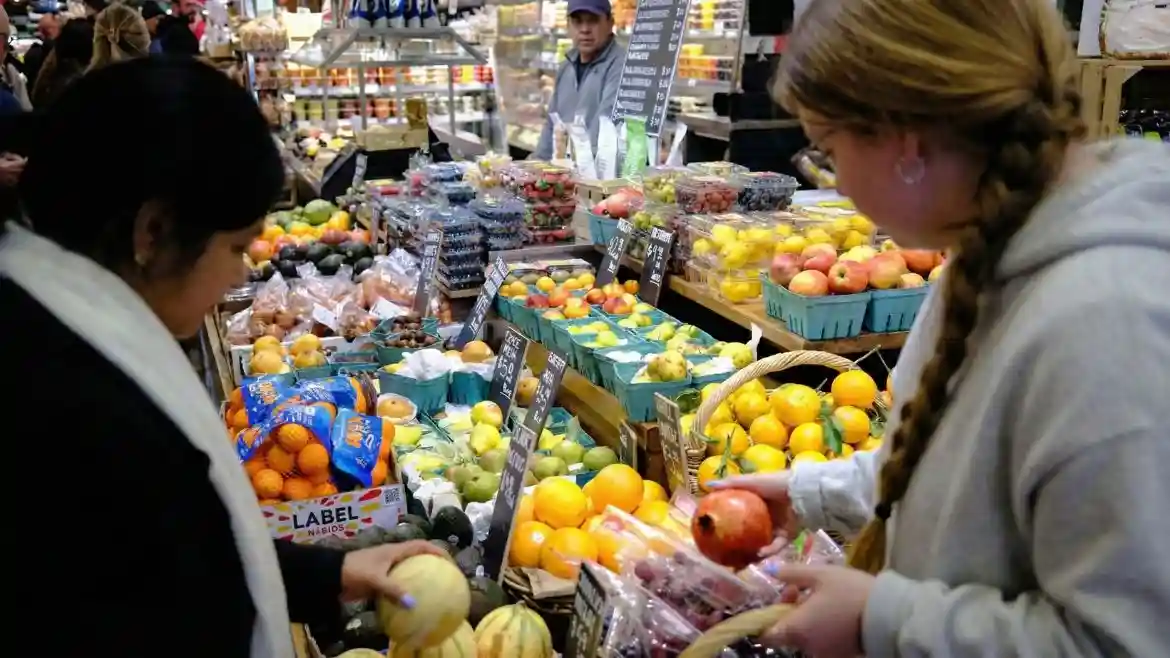
If you felt your wallet getting lighter at the grocery store last month, the US CPI consumer prices inflation December data confirms you weren’t imagining it. The most concerning aspect of this report was the acceleration in essential categories.
The Grocery Aisle Shock
Food prices were a major contributor to the monthly increase, rising 0.7% in December. This is the fastest monthly pace seen in over a year. Specific items saw dramatic spikes:
- Coffee: Prices surged nearly 20% year-over-year due to global supply chain issues.
- Beef: Ground beef prices jumped over 15%, reflecting tighter cattle supplies.
- Dining Out: The “Food Away from Home” index also climbed, as restaurants passed on higher labor costs to diners.
The Housing Hurdle
Shelter costs, which make up about one-third of the total CPI weighting, continue to be the “sticky” factor preventing a faster drop in inflation. The shelter index rose 0.4% in December. While this is a deceleration from the highs of 2024, it is still too hot for the Federal Reserve’s liking. Until rent and housing services cool further, the headline CPI report will likely struggle to break below the 2.5% floor.
Core Inflation: A Sign of Cooling Pressures?
While the headline numbers were mixed, there was a silver lining in the “Core” data. Core CPI strips out the volatile food and energy sectors to give a clearer picture of underlying inflation trends.
The CPI inflation report December 2026 (released in Jan 2026) showed that Core CPI rose just 0.2% on a monthly basis, slightly below some whisper numbers. On an annual basis, Core CPI cooled to 2.6%, down a tick from November.
This softness was driven largely by a drop in used vehicle prices and stable prices for apparel and household furnishings. For the Federal Reserve, this is the most important takeaway. It suggests that the broader inflationary fever is breaking, even if specific pockets like food and rent remain elevated. The cooling core metric provides the central bank with the political cover it needs to consider rate cuts later this year.
Market Reaction: Wall Street Breathes a Sigh of Relief
The financial markets reacted positively to the news. In the immediate aftermath of the CPI report release, stock futures ticked higher, and bond yields softened.
Why the optimism? Markets hate uncertainty. After the data disruptions caused by the government shutdown late last year, there was a genuine fear that inflation might have silently spiked. The fact that the CPI report came in “as expected” was interpreted as a victory.
- Dow Jones: Opened higher as traders bet that the steady data keeps a “soft landing” scenario on the table.
- Gold: Prices edged up, continuing their record run, as the data solidified bets that the Fed won’t need to hike rates further.
- Dollar: The U.S. Dollar Index remained relatively flat, reflecting the balanced nature of the report.
The Fed Outlook: What This Means for Rate Cuts in 2026
Ultimately, every CPI report is viewed through the lens of the Federal Reserve. Fed Chair Jerome Powell has maintained a cautious stance, and this data likely reinforces that approach.
With inflation holding at 2.7%, the Fed is unlikely to cut rates at their upcoming January meeting. The central bank has made it clear they need “greater confidence” that inflation is returning to 2%. However, the cooling Core CPI (2.6%) keeps the door wide open for a potential rate cut by mid-2026.
Economists argue that the December inflation report is a “goldilocks” print—not hot enough to force a rate hike, but not cool enough to demand an immediate emergency cut. It suggests the economy is normalizing, albeit slowly.
Conclusion
The CPI report released on January 13, 2026, serves as a reality check for the American economy. We are no longer in the crisis levels of inflation seen in previous years, but the era of 2% stable prices hasn’t fully returned yet either.
For consumers, the pain is now concentrated in specific areas like the grocery store and the housing market, while other costs level off. For investors, the steady CPI report is a green light to stay invested, hoping that the stable data will eventually lead to lower interest rates. As we move further into 2026, all eyes will remain on these monthly releases to see if the “last mile” of the inflation fight can finally be won.
Frequently Asked Questions (FAQs)
When was the January 2026 CPI report released? The CPI report for December 2025 was released by the Bureau of Labor Statistics on Tuesday, January 13, 2026.
What is the current inflation rate as of the Jan 2026 report? The headline inflation rate held steady at 2.7% year-over-year.
Did food prices go up in the latest CPI report? Yes. The CPI report showed a significant 0.7% increase in food prices for the month, led by sharp rises in coffee and beef costs.
What is “Core CPI” in this report? Core CPI excludes food and energy prices. In this report, Core CPI rose 0.2% for the month and sits at 2.6% annually, suggesting underlying inflation is slowly cooling.
How did the stock market react to the CPI report? Markets generally reacted positively, with stocks rising slightly, as the data matched expectations and did not show a surprise spike in inflation.
Does this report mean the Fed will lower interest rates? Likely not immediately. While the report was positive, inflation at 2.7% is still above the Fed’s 2% target. Most economists expect the Fed to wait until later in 2026 to begin cutting rates.
Visit Vic Waves for the latest trending USA news, updates, and insights you may have missed today, and more stories.