

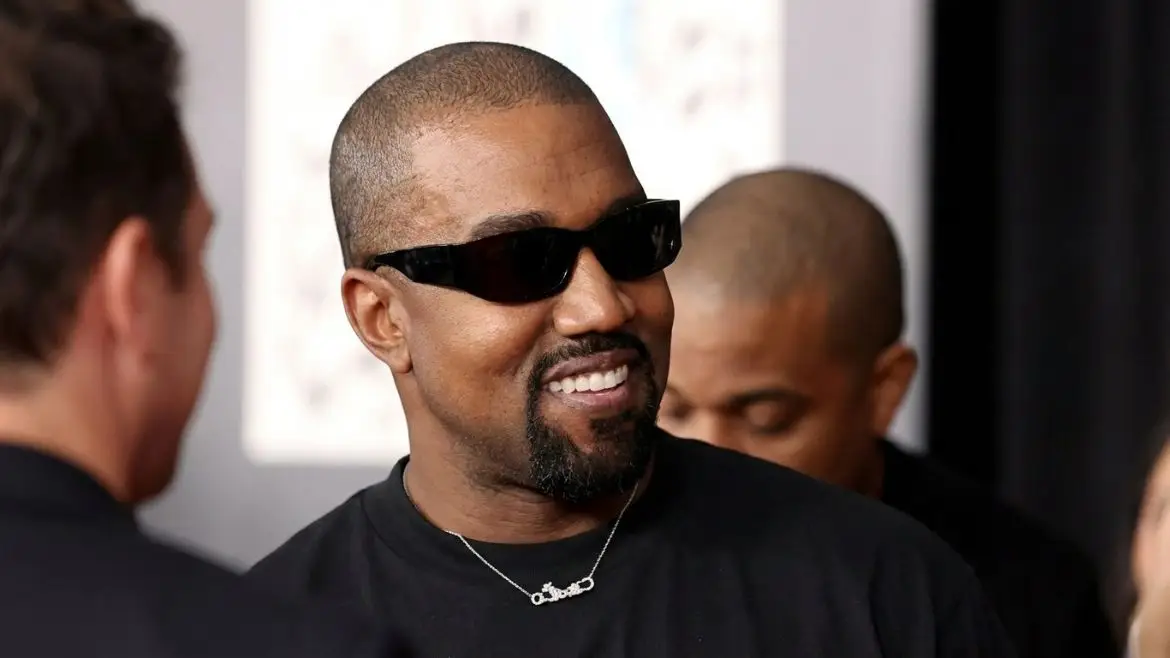
In a surprising turn of events in early 2026, Kanye West (now legally known as Ye) has issued a public apology via a full-page advertisement in the Wall Street Journal. This statement addresses his history of offensive remarks, specifically targeting the Jewish community, while introducing a controversial new explanation for his erratic behavior: a “magnetic brain injury” stemming from his infamous 2002 car accident. This article explores the details of the Kanye West WSJ apology, the medical claims being made, and the public’s reaction to this latest chapter in the artist’s tumultuous career.
Table of Contents
- The Shocking Wall Street Journal Advertisement
- Decoding the Ye Brain Injury Claim
- A History of Controversy: Addressing the Antisemitism
- Mental Health and Reckless Behavior
- Public Reaction and the Future of Ye
- Conclusion
- Frequently Asked Questions (FAQs)
The Shocking Wall Street Journal Advertisement
On a quiet Sunday in January 2026, readers of the Wall Street Journal turned the page to find a stark, text-heavy advertisement that immediately grabbed headlines. The Kanye West full page ad was not promoting a new album or a fashion line; instead, it was a sombre, formal apology letter. For years, Kanye West has been a figure of intense controversy, often doubling down on his rhetoric rather than retracting it. This move, placing a traditional print ad in one of the world’s most respected financial newspapers, signaled a potential shift in his approach to public relations.
The Ye 2026 apology letter was addressed directly to the Jewish community and the general public. In the text, Kanye West expressed regret for his “reckless” outbursts and the pain he has caused over the last few years. Unlike his previous, often chaotic social media posts, this statement appeared to be carefully drafted, suggesting the involvement of a new crisis management team or legal counsel. The choice of the Wall Street Journal suggests that Kanye West is trying to reach a specific audience—perhaps business partners and industry leaders—whom he has alienated during his “scorched earth” campaigns of the past.
While apologies from celebrities are common, the Ye Wall Street Journal ad stood out because of the justification it provided. It didn’t just ask for forgiveness; it offered a medical reason for the behavior that has defined his recent years.
Decoding the Ye Brain Injury Claim
The most talked-about aspect of this apology is the specific medical assertion Kanye West included. In the ad, he claims that his erratic behavior and lack of a “filter” are the results of a “magnetic brain injury” (likely referencing a traumatic brain injury or TBI) caused by his near-fatal car crash in 2002. Fans know this accident well; it is the origin story of his career, the event that wired his jaw shut and inspired his debut smash hit, “Through the Wire.”
However, connecting that 2002 event to his behavior in the 2020s is a new development. The Ye brain injury claim suggests that the damage to his frontal lobe—the area of the brain responsible for impulse control and social behavior—has worsened over time or was never properly treated. By framing his actions through the lens of Kanye West car accident brain damage, the artist is attempting to recontextualize his offensive tirades not as malice, but as a symptom of a neurological condition.
Medical experts and cultural commentators have debated this claim intensely since the ad dropped. While TBIs can indeed lead to personality changes and impulsivity, many are skeptical of using it as a blanket excuse for hate speech. Critics argue that attributing antisemitism to a car accident two decades prior creates a dangerous precedent. Still, for Kanye West, this narrative offers a path toward potential redemption, positioning him as a victim of his own biology rather than a willing instigator of hate.
A History of Controversy: Addressing the Antisemitism
To understand the weight of this apology, we have to look back at the Ye antisemitism controversy 2026 and the years preceding it. Since late 2022, Kanye West has been embroiled in a series of scandals involving hateful rhetoric against Jewish people. These comments resulted in him losing billions of dollars in partnerships, including his lucrative deal with Adidas, and being ostracized by the music and fashion industries.
In the Kanye West antisemitic comments apology, the rapper explicitly states that he never intended to cause harm, though he acknowledges that his words did exactly that. The letter includes phrases where Ye apologizes to Jewish community leaders and families, asking for a fresh start. This is a significant pivot from his previous stance, where he often claimed he “couldn’t be antisemitic” or refused to back down when challenged by interviewers.
Is this genuine repentance? That is the question on everyone’s mind. The Kanye West WSJ apology might be seen by some as a strategic move to revive his business interests. Others, however, hope that it signals a true moment of clarity for the troubled artist. Regardless of the motive, the explicit nature of the apology marks the first time Kanye West has formally taken responsibility for the specific nature of his hate speech in such a high-profile forum.
Mental Health and Reckless Behavior
The conversation around Kanye West has always been intertwined with discussions about mental health. For years, he has been open about his diagnosis of bipolar disorder. However, this new Kanye West reckless behavior statement shifts the focus from a mood disorder to a neurological injury.
This distinction is crucial for how the public perceives him. If the narrative shifts from “Kanye refuses to take his medication” to “Kanye West is suffering from long-term brain damage,” the public sympathy meter might move. In the Kanye West mental health update provided within the ad, he describes living with a mind that feels “magnetically” pulled toward chaos and unfiltered truth, which he claims he cannot control.
He writes about the isolation he has felt and how his outbursts were often cries for help that were misinterpreted as aggression. This creates a complex picture of a man who is undeniably one of the greatest artists of his generation but who is also deeply unwell. The Kanye West we see today is a far cry from the backpack rapper of 2004, and this latest update paints a portrait of a celebrity struggling to understand his own mind while the whole world watches.
Public Reaction and the Future of Ye
The reaction to the ad has been mixed, to say the least. Hardcore fans of Kanye West have rallied around him, using the hashtag #PrayForYe and accepting the brain injury explanation as the missing piece of the puzzle. They view the Ye brain injury claim as a tragedy that explains the fall of their idol.
On the other hand, advocacy groups and critics remain wary. The Anti-Defamation League (ADL) and other organizations have noted the apology but emphasized that actions speak louder than print ads. They are waiting to see if Kanye West changes his behavior moving forward or if this is just another cycle in his predictable pattern of outrage followed by retreat.
There is also the business angle. Kanye West is an entrepreneur who lost his empire. Is this apology a step toward rebuilding Yeezy? Can he ever regain the trust of corporate America? While the Ye Wall Street Journal ad is a start, the road to rehabilitation is long. The music industry is also watching closely. Will streaming services and collaborators welcome Kanye West back into the fold, or is the damage to his reputation permanent?
Conclusion
The saga of Kanye West is a relentless rollercoaster of high art, deep controversy, and public unraveling. His January 2026 decision to publish a full-page apology in the Wall Street Journal marks a pivotal moment in this ongoing narrative. By attributing his past actions to Kanye West car accident brain damage, he is asking the public to view him through a lens of empathy rather than judgment.
Whether the world accepts this Kanye West WSJ apology remains to be seen. What is clear, however, is that Ye is not ready to fade into obscurity. He is fighting for his narrative, his legacy, and perhaps, his own peace of mind. As we move further into 2026, the world will be watching to see if Kanye West can truly heal—both mentally and socially—or if this is merely the calm before another storm.
Frequently Asked Questions (FAQs)
1. What did Kanye West say in the Wall Street Journal ad? In the ad, Kanye West apologized to the Jewish community for his past antisemitic remarks and claimed his reckless behavior was caused by a “magnetic brain injury” from his 2002 car accident.
2. Does Kanye West really have brain damage? Kanye West claims that his 2002 car accident caused long-term brain damage that affects his impulse control. However, this Ye brain injury claim has not been independently verified by public medical records, though TBIs are known to cause personality changes.
3. Why did Kanye West apologize in 2026? The Ye 2026 apology letter appears to be an effort to repair his public image and relationships after years of controversy that cost him business deals and public support.
4. Is Kanye West still making music? Yes, Kanye West continues to work on music, though his releases have become sporadic and often delayed. This recent apology may be a precursor to new artistic projects or a tour.
5. How did the public react to the Ye Wall Street Journal ad? Reactions were mixed. Fans were supportive of the Kanye West mental health update, while critics remain skeptical, questioning if the Ye apologizes to Jewish community statement is a genuine act of contrition or a PR stunt.
SEO Tags: Kanye West, Ye, Kanye West apology, Kanye West brain injury, Ye WSJ ad, Kanye West antisemitism, Yeezy news, Kanye West 2026.
Visit Vic Waves for the latest trending USA news, updates, and insights you may have missed today, and more stories.