

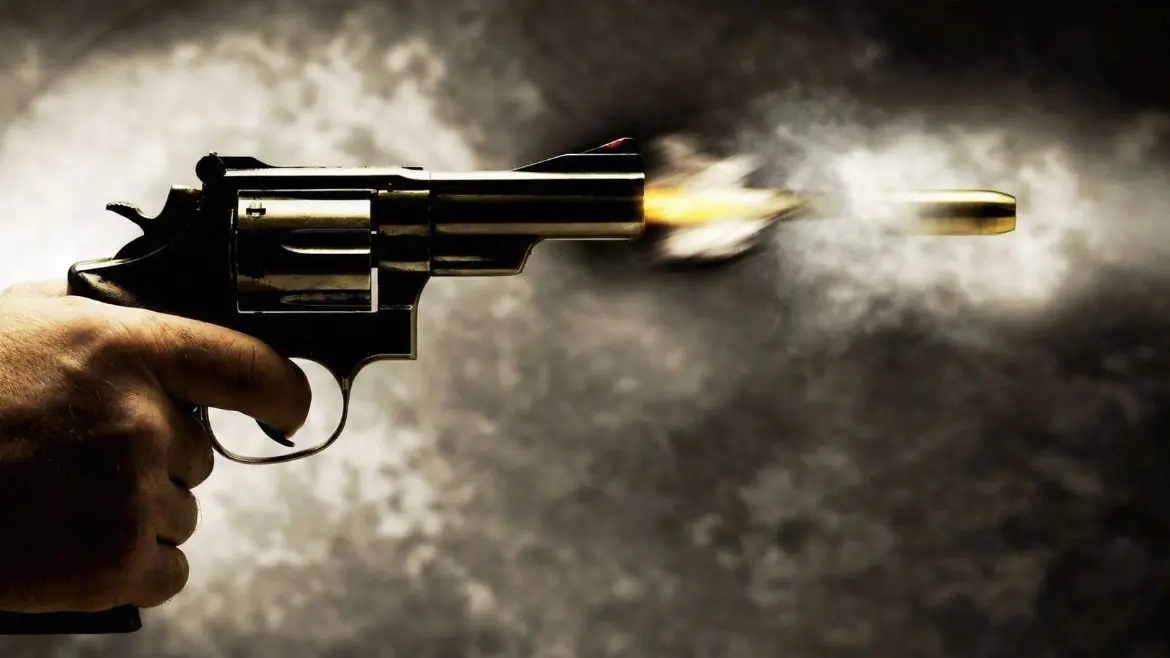
This article details the shocking events in Marsala, Sicily, involving the arrest of the Licari brothers following a violent shooting and the discovery of an illegal cannabis operation. We explore the details of the “night of terror” experienced by Antonina Rita Scardino, the police raid on the indoor cultivation site, and how this incident fits into the broader context of drug trafficking in the region.
Table of Contents
- Introduction
- The City of Marsala: Beyond the Wine
- A Night of Terror: The Shooting Incident
- The Licari Brothers Arrest in Marsala
- Inside the Operation: The Indoor Cannabis Cultivation Raid
- The Victim: Antonina Rita Scardino’s Ordeal
- Legal Consequences: Marsala Attempted Murder Charges
- Broader Context: Sicily Drug Trafficking News
- How Police Tracked the Suspects
- Community Reaction in Marsala
- Conclusion
- Frequently Asked Questions (FAQs)
Introduction
For most Americans, the word Marsala conjures images of rich, fortified wine, chicken dishes, and the sun-drenched coast of Sicily. It is a name synonymous with culinary heritage and Mediterranean beauty. However, a recent and violent event has cast a shadow over this historic city, reminding the world that even picturesque Italian towns grapple with the gritty realities of modern crime.
On January 7, 2026, Marsala became the center of a dramatic police operation that involved gunfire, a high-stakes raid, and the arrest of two local brothers. The incident, which local media has dubbed a “night of terror,” exposed a violent underbelly involving drug cultivation and vigilante justice. For U.S. readers accustomed to true crime stories, the details of the Marsala shooting offer a stark look at how narcotics-related violence is evolving in southern Italy.
This was not a mafia hit from a movie; it was a chaotic and dangerous confrontation that spilled into the streets. As the Marsala police force worked to secure the scene, they uncovered more than just a weapon—they found a sophisticated drug operation hidden in plain sight. This article delves deep into the specifics of the case, the individuals involved, and what this means for safety and crime in the region.
The City of Marsala: Beyond the Wine
To understand the impact of this crime, one must understand Marsala itself. Located on the westernmost tip of Sicily, it is a city of immense historical significance. It was here that Giuseppe Garibaldi landed in 1860 to begin the unification of Italy. Today, it is a bustling port city that serves as a gateway to the Egadi Islands and a hub for tourism and agriculture.
However, Marsala is also a city of contrasts. While the historic center is polished and welcoming to tourists, the outskirts and agricultural zones can sometimes provide cover for illicit activities. The region’s isolation and complex economic landscape have occasionally made it a fertile ground for black market operations. The recent events remind us that Marsala, like any mid-sized city in the U.S. or Europe, faces challenges with organized crime and drug production that often go unnoticed by the casual visitor.
A Night of Terror: The Shooting Incident
The tranquility of a Marsala evening was shattered by the sound of gunfire on January 7. According to reports, the violence stemmed from a confrontation regarding a stash of narcotics. Residents in the vicinity reported hearing shouting followed by distinct gunshots, sending shockwaves through the quiet neighborhood.
This was not a random act of violence. Investigators believe the Marsala marijuana shooting was a targeted response to an attempted theft. In the world of illegal drug cultivation, disputes are rarely settled with words. The perpetrators, allegedly protecting their illicit inventory, resorted to lethal force to ward off what they believed was an intrusion. This type of vigilante justice is particularly dangerous as it endangers innocent bystanders and escalates property crimes into life-threatening situations.
The shots fired that night were meant to intimidate or kill. The recklessness of discharging a firearm in a populated area highlighted the desperation and ruthlessness of the individuals involved. For the people of Marsala, the gunfire was a wake-up call regarding the hidden dangers lurking in residential garages and warehouses.
The Licari Brothers Arrest Marsala
At the heart of this violent episode are two siblings now known to the public as the Licari brothers. The Licari brothers arrest Marsala became the headline news across Sicily the following morning. The police identified the brothers as the key suspects behind the shooting and the owners of the illegal operation that fueled the violence.
Law enforcement moved quickly. Utilizing witness descriptions and forensic evidence from the scene of the shooting, Marsala police tracked the suspects to their base of operations. The arrest was tense but successful. The brothers were taken into custody, ending their brief but violent stand.
For the community, the arrest brought a sense of relief but also many questions. Who were these brothers? Were they acting alone, or were they part of a larger syndicate? In Marsala, family ties run deep, and crime is often a family enterprise. The Licari brothers fit a pattern seen in many criminal cases where siblings collaborate to build and protect illicit businesses, often spiraling into violence when their enterprise is threatened.
Inside the Operation: The Indoor Cannabis Cultivation Raid
Following the shooting, police executed a search warrant that led to a significant discovery: a sophisticated Indoor cannabis cultivation raid was underway. Hidden away from the prying eyes of neighbors and authorities, the brothers had constructed a fully functional greenhouse.
The Setup
The raid revealed a professional setup. This was not a few plants in a closet; it was a dedicated space designed for high-yield production.
- Lighting: High-intensity grow lights were installed to simulate the sun, running on timers to maximize growth cycles.
- Ventilation: Industrial fans and carbon filters were likely used to mask the potent smell of flowering cannabis, a common giveaway for such operations in Marsala.
- Irrigation: An automated watering system ensured the plants received precise nutrients.
Police also discovered a “brogliaccio”—a ledger or notebook—that detailed the cultivation schedule, costs, and potential profits. This piece of evidence is crucial as it proves premeditation and the commercial scale of the operation. In Marsala, where agriculture is a primary industry, the skills used for legal farming are sometimes repurposed for illegal crops. The discovery of this indoor farm underscores the shift from outdoor growing, which is easier to spot by helicopters, to indoor operations that are harder to detect but require significant energy and infrastructure.
The Victim: Antonina Rita Scardino’s Ordeal
While the drugs and the shooters often dominate the headlines, the human cost of the event cannot be overlooked. Antonina Rita Scardino found herself at the center of this violent maelstrom. Reports describe the event as a “night of terror” for her.
Whether she was a bystander, a neighbor, or involved in the dispute, the trauma of facing gunfire is profound. In Marsala, crimes involving firearms against women are taken particularly seriously by the media and the public. The psychological impact of being targeted or caught in the crossfire of a Marsala drug dispute is life-altering.
Her experience highlights the collateral damage of the drug trade. When bullets fly in a residential neighborhood, the safety of every citizen—mothers, daughters, neighbors—is compromised. The police have taken statements and are working to piece together the exact sequence of events that placed Antonina Rita Scardino in such peril during that fateful night in Marsala.
Legal Consequences: Marsala Attempted Murder Charges
The legal repercussions for the Licari brothers are severe. Prosecutors in Marsala are building a case that goes beyond simple drug possession. The discharge of a firearm with intent to harm has elevated the charges significantly.
The Charges
- Marsala Attempted Murder: Firing a gun at a person, regardless of whether they are hit, can constitute attempted murder under Italian law. The intent to kill or cause grievous bodily harm is the key factor.
- Illegal Possession of Firearms: Italy has strict gun control laws. Possessing a weapon without a license, and using it in the commission of a crime, carries heavy mandatory prison sentences.
- Cultivation and Trafficking: The Indoor cannabis cultivation raid provided ample evidence for drug manufacturing charges. The ledger found on site will be used to estimate the volume of business, which serves as an aggravating factor in sentencing.
The judicial system in Marsala is expected to move firmly. Recent crackdowns in Sicily aim to send a message that gun violence and drug production will not be tolerated. The brothers face the prospect of decades behind bars if convicted on all counts.
Broader Context: Sicily Drug Trafficking News
This incident is not an isolated bubble; it is part of the ongoing Sicily drug trafficking news cycle. While the Sicilian Mafia (Cosa Nostra) has historically focused on extortion and construction, the drug trade remains a vital revenue stream.
In recent years, there has been a trend toward decentralization. Smaller independent groups or families, like the Licari brothers in Marsala, often operate their own grow houses to bypass the complexities of international trafficking. Marijuana, once imported from North Africa or Albania, is increasingly grown domestically in Sicily (“Kilometer Zero” drugs).
This shift presents a challenge for law enforcement in Marsala. Instead of monitoring a few large crime families, they must now investigate numerous micro-cells and independent operators. The violence in Marsala illustrates the volatility of this fragmented market, where disputes over territory or theft are settled with bullets rather than sit-downs.
How Police Tracked the Suspects
The efficiency of the Marsala police force in this case is noteworthy. Modern policing in Sicily combines traditional investigative work with technology.
- ShotSpotter and Reports: Immediate calls from neighbors in Marsala alerted police to the exact time and location of the shots.
- Surveillance: The city of Marsala, like many US cities, has increased its network of CCTV cameras. Footage likely captured the vehicles or individuals fleeing the scene.
- Forensics: Shell casings left at the scene provided ballistic evidence that could be matched to the weapon found during the raid.
- Intelligence: Local knowledge of known actors in the Marsala drug trade likely helped narrow down the suspect list to the Licari brothers quickly.
Community Reaction in Marsala
The reaction in Marsala has been one of shock mingled with resilience. The people of Marsala are proud of their city’s reputation for history, wine, and culture. Headlines linking their home to “shootings” and “drug raids” are met with frustration.
However, there is also a strong sense of community support for law enforcement. The swift arrest of the Licari brothers was welcomed by residents who refuse to let criminal elements dictate the safety of their streets. Local social media groups in Marsala were active, sharing information and expressing solidarity with the victims of the violence. This community cohesion is a powerful tool against crime, making it harder for operators like the Licari brothers to function with impunity.
Conclusion
The shooting in Marsala involving the Licari brothers and Antonina Rita Scardino serves as a grim reminder of the reach of the drug trade. What began as a dispute over an indoor cannabis crop spiraled into a life-threatening situation that shook a historic city.
For the people of Marsala, the immediate danger has passed with the arrests, but the questions regarding the prevalence of such “home-grown” crime remain. As the legal process moves forward, the city looks to heal and return to its peaceful status as a jewel of the Mediterranean. For observers in the USA, this story highlights that the battle against narcotics violence is a global struggle, shared by towns from the Midwest to the coast of Sicily.
The Marsala police have closed this chapter, but the vigilance against the next “night of terror” continues.
Frequently Asked Questions (FAQs)
Where is Marsala located? Marsala is a coastal city located on the western tip of Sicily, Italy. It is famous for its fortified wine and its historical significance in the unification of Italy.
Who are the Licari brothers? The Licari brothers are two siblings from Marsala who were arrested in January 2026. They are accused of running an illegal indoor cannabis cultivation operation and are suspects in a shooting incident related to a suspected theft of their drugs.
What happened to Antonina Rita Scardino? Antonina Rita Scardino was involved in the “night of terror” in Marsala. She was the victim or target during the shooting incident that led to the police investigation and subsequent raid.
Is Marsala safe for tourists? Yes, generally Marsala is very safe for tourists. Violent crimes like the one described in this article are typically isolated incidents between individuals involved in illicit activities and rarely target visitors.
What is the penalty for drug cultivation in Italy? Drug cultivation in Italy carries severe penalties, including prison sentences that can range from 6 to 20 years depending on the scale of the operation and whether it is connected to organized crime. The Licari brothers in Marsala also face additional charges for attempted murder, which carries even harsher sentencing.
Why is it called the Marsala marijuana shooting? The media refers to it as the Marsala marijuana shooting because the gunfire was directly motivated by a dispute over an illegal marijuana crop being grown by the suspects.
Visit Vic Waves for the latest trending USA news, updates, and insights you may have missed today, and more stories.