

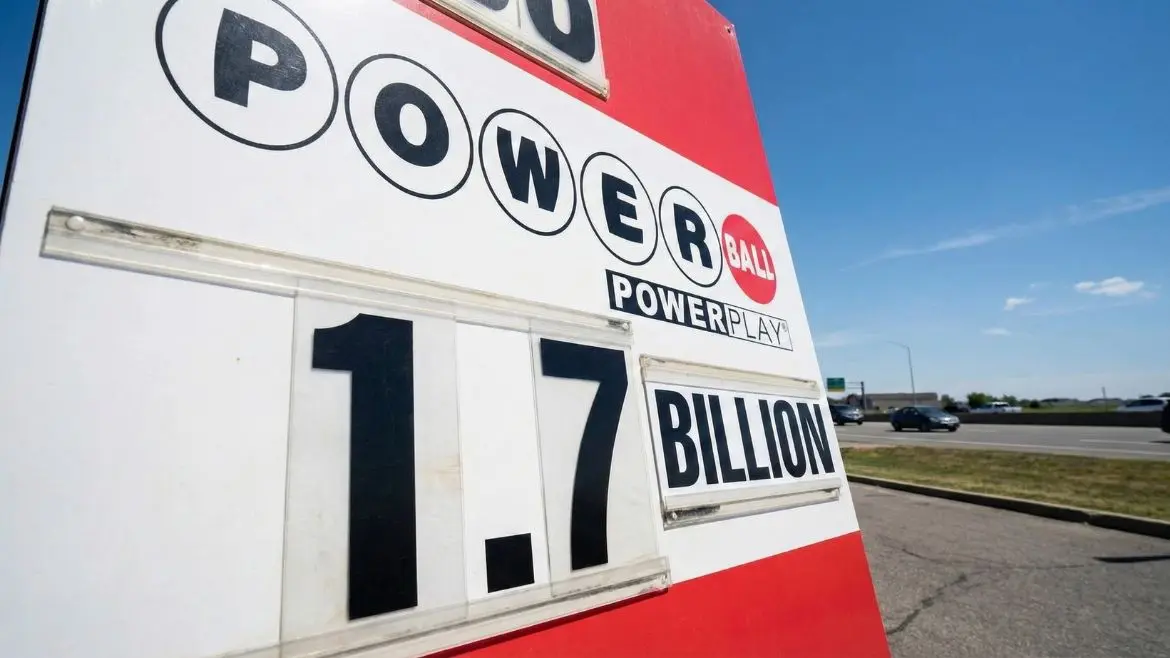
This extensive guide explores everything you need to know about the Powerball lottery in the United States. From understanding the basic rules and drawing schedules to evaluating the pros and cons of annuity versus lump-sum payouts, we cover it all. You will learn how to purchase tickets safely, the odds of winning different prize tiers, and practical tips for claiming your winnings. Whether you are a first-time player or a seasoned lottery enthusiast, this article serves as your go-to resource for navigating the excitement of America’s biggest jackpot game.
Table of Contents
- Introduction
- What is Powerball? A Brief History
- How to Play the Game
- Understanding the Power Play Option
- Where to Buy: Retailers and Online Options
- The Drawing Schedule and Process
- Breaking Down the Odds and Prizes
- The Jackpot: Annuity vs. Cash Lump Sum
- Taxes and Payouts: What You Actually Take Home
- Famous Jackpots and Historic Wins
- Safety First: Avoiding Lottery Scams
- Conclusion
- Frequently Asked Questions (FAQs)
Introduction
It is the dream that captivates millions of Americans every week: holding a small slip of paper that is worth hundreds of millions, or perhaps even billions, of dollars. The Powerball lottery has become synonymous with life-changing wealth in the United States. Whether it is office pools banding together when the pot hits huge numbers or individuals grabbing a quick pick at the gas station, the excitement is palpable.
The allure of the game lies in its simplicity combined with the astronomical scale of its potential rewards. For just a couple of dollars, players buy a chance to resign from their jobs, buy dream homes, and secure their families’ financial futures for generations. However, behind the flashing signs and massive jackpot announcements, there are rules, odds, and strategies that every player should understand. This guide dives deep into the world of the lottery, explaining how the game works, how to play powerball online where legal, and what to do if lucky lightning strikes.
What is Powerball? A Brief History
The game we know today as Powerball did not start with billion-dollar headlines. It began in 1992, replacing an earlier game known as “Lotto*America.” The vision was to create a multi-state lottery game that could generate larger jackpots than any single state could offer on its own. By pooling the populations of multiple states, ticket sales increased, and consequently, the top prizes soared.
Managed by the Multi-State Lottery Association (MUSL), a non-profit organization formed by an agreement with US lotteries, the game has evolved significantly over the decades. Initially, the drawings were held just once a week. As popularity grew, the frequency increased to twice a week, and eventually to the current schedule of three times a week.
Today, the game is played in 45 states, the District of Columbia, Puerto Rico, and the U.S. Virgin Islands. It has firmly established itself as a cultural phenomenon, especially when the jackpot rolls over for weeks, creating a frenzy of media coverage and ticket sales.
How to Play the Game
Playing is straightforward, which is a significant part of its appeal. To enter, a player must purchase a ticket for $2 per play. The goal is to match numbers drawn by the lottery officials.
The Number Selection
Each play slip is divided into two sections:
- White Balls: You select five numbers from a set of 1 to 69.
- Red Ball: You select one number, the “Powerball,” from a set of 1 to 26.
Players have two main choices when selecting their numbers. They can manually choose numbers that have personal significance—such as birthdays, anniversaries, or “lucky” numbers. Alternatively, they can choose the “Quick Pick” option, where the lottery terminal’s computer randomly generates the numbers for them. Statistics show that the majority of winning tickets are Quick Picks, though this is largely because the majority of tickets sold are Quick Picks.
Winning Combinations
To win the grand prize, a player must match all five white balls in any order, plus the red Powerball number. However, the game is designed with multiple prize tiers. Even if you only match the red ball, you win a small prize, usually enough to cover the cost of the ticket.
Understanding the Power Play Option
For those who want to maximize their non-jackpot winnings, the game offers an add-on feature called “Power Play.” For an additional $1 per play, players can multiply their non-jackpot prizes.
Before the main powerball drawing numbers are selected, a separate multiplier number is drawn. This multiplier can be 2X, 3X, 4X, 5X, or even 10X.
- The Match 5 Prize: If you match all five white balls but miss the red ball, the standard prize is $1 million. With Power Play, this prize is automatically doubled to $2 million, regardless of the multiplier drawn.
- Lower Tiers: For all other prizes, the winnings are multiplied by the number drawn. For example, if you win $100 and the 3X multiplier is drawn, your prize becomes $300.
Note: The 10X multiplier is only in play when the advertised jackpot annuity is $150 million or less.
Where to Buy: Retailers and Online Options
Traditionally, lottery tickets are purchased at authorized retailers. these include convenience stores, gas stations, and grocery stores. You fill out a paper playslip, hand it to the clerk, and receive your printed ticket. This physical exchange remains the most common way to play.
The Digital Shift
In recent years, the digital landscape has changed how people engage with lotteries. Depending on the state you live in, you may be able to buy powerball online. Some states offer their own official lottery apps or websites where residents can purchase tickets directly.
Additionally, third-party courier services have emerged. These services act as a middleman; you order a powerball ticket through their app, and they physically purchase the ticket on your behalf from a licensed retailer. They then scan the ticket and upload it to your account. This method is gaining popularity for its convenience, as it prevents the issue of losing a physical paper ticket. However, players must be very careful to only use authorized and regulated platforms to avoid scams.
The Drawing Schedule and Process
The anticipation builds three times a week. The powerball drawing takes place every Monday, Wednesday, and Saturday at 10:59 p.m. Eastern Time. The drawings are held at the Florida Lottery draw studio in Tallahassee.
During the broadcast, two machines are used. One machine contains the white balls, and the other contains the red balls. Gravity pick machines are used to ensure true randomness. The balls are mixed by rotating paddles and then dropped through a chute.
If no ticket matches all six numbers, the jackpot rolls over to the next drawing. This rollover feature is what allows the powerball jackpot to grow to staggering amounts. When the prize pool isn’t claimed, the money stays in the pot, and increased ticket sales from the “jackpot fever” cause the amount to swell rapidly.
Breaking Down the Odds and Prizes
Many people play without fully grasping the mathematical reality of the game. Understanding the odds is crucial for managing expectations.
The Odds of Winning
The overall odds of winning any prize in the game are approximately 1 in 24.9. This means that statistically, for every 25 tickets purchased, one will be a winner of some kind (likely the minimum $4 prize).
However, the odds of winning the Grand Prize are significantly steeper: 1 in 292.2 million. To put this in perspective, you are statistically more likely to be struck by lightning, become a movie star, or be attacked by a shark than you are to win the jackpot.
Prize Tiers
Here is a simplified breakdown of the winning combinations:
- Grand Prize: 5 White Balls + 1 Red Ball
- $1 Million: 5 White Balls
- $50,000: 4 White Balls + 1 Red Ball
- $100: 4 White Balls
- $100: 3 White Balls + 1 Red Ball
- $7: 3 White Balls
- $7: 2 White Balls + 1 Red Ball
- $4: 1 White Ball + 1 Red Ball
- $4: 0 White Balls + 1 Red Ball
The Jackpot: Annuity vs. Cash Lump Sum
One of the most critical decisions a Powerball winner must make is how to receive their money. When a jackpot is advertised (e.g., “$500 Million”), that figure represents the annuity option.
The Annuity Option
If a winner chooses the annuity, they receive the full advertised amount paid out over 29 years (30 payments total). The first payment is immediate, and each subsequent annual payment increases by 5%. This option provides financial security for decades and ensures the winner receives the full face value of the jackpot.
The Cash Lump Sum
The vast majority of winners choose the cash option. This is a one-time payment that is equal to all the cash in the jackpot prize pool. It is significantly less than the annuity amount—usually about 50% to 60% of the advertised jackpot. For example, a $100 million jackpot might have a cash value of roughly $55 million. Despite the lower total, most winners prefer the flexibility of having the money immediately to invest or spend as they see fit.
Taxes and Payouts: What You Actually Take Home
It is important to remember that the advertised numbers are pre-tax. Uncle Sam always takes his share before the money hits your bank account.
Federal Taxes
The lottery agency is required to withhold 24% of the winnings for federal taxes immediately. However, the top federal income tax bracket is 37%. This means that come tax season, the winner will likely owe the IRS the remaining 13% difference.
State Taxes
State taxes vary wildly.
- No State Tax: States like California, Florida, Texas, and Washington do not tax lottery winnings.
- High Tax: States like New York and New Jersey have high state tax rates on lottery winnings, which can take another 8% to 10% (or more in NYC) off the top.
When you crunch the numbers, a $100 million jackpot (cash value $55 million) might result in a final take-home pay of roughly $30 million to $35 million after all federal and state obligations are met.
Famous Jackpots and Historic Wins
The history of Powerball is paved with record-breaking moments that captured the world’s attention.
One of the most notable events occurred in November 2022, when a single ticket sold in California won a world-record $2.04 billion jackpot. This win shattered previous records and showcased the immense scale the game can reach. Prior to that, a $1.586 billion jackpot in 2016 was split among three winning tickets in California, Florida, and Tennessee.
These massive drawings often trigger a phenomenon known as “lottery fever.” Lines wrap around blocks at convenience stores, news outlets run non-stop coverage, and office pools collect thousands of dollars in entry money. These historic wins serve as the primary marketing tool for the game, proving that while the odds are long, the possibility is real.
Safety First: Avoiding Lottery Scams
With the popularity of the game comes the risk of fraud. Scammers often use the Powerball name to trick unsuspecting individuals.
Common Scams
- The “You Won” Email/Text: You receive a message stating you have won a prize, even though you did not buy a ticket.
- Processing Fees: A scammer claims you won a jackpot but must pay a “tax” or “processing fee” upfront to release the funds. Legitimate lotteries never ask for money to release a prize.
- Social Media Impersonators: Scammers create fake profiles of real jackpot winners, claiming they are giving away money to random followers who send them personal information.
Protecting Yourself
Always sign the back of your ticket immediately after purchase. A lottery ticket is a bearer instrument; whoever holds it can claim the prize. If you lose an unsigned winning ticket, anyone who finds it can legally cash it. If playing online, ensure you are using a state-authorized site or a reputable, licensed courier service.
Conclusion
The Powerball lottery remains a staple of American culture, offering a rare shimmer of hope that life can change in an instant. It is a game of pure chance, where the laws of probability reign supreme. While the odds are daunting, the fun lies in the “what if”—the conversations with friends about what you would do with the money, the thrill of checking the numbers, and the small victories of winning a few dollars here and there.
If you choose to play, do so responsibly. Treat the cost of the ticket as the price of entertainment, not as an investment strategy. Whether you buy a physical slip or play powerball online, the experience is about the excitement of the draw. And remember, while only a select few will ever claim the grand prize, the proceeds from ticket sales in most jurisdictions go toward funding education, veteran services, and other vital public programs, meaning the game does some good even when you don’t win.
Frequently Asked Questions (FAQs)
Q: Can non-US citizens play Powerball? A: Yes, non-US citizens can play and win. You do not need to be a resident to purchase a ticket, but you must be physically present in a participating state to buy the ticket. If you win, you will be subject to the same taxes as a US citizen, plus potential additional withholding taxes for foreign nationals.
Q: What happens if I lose my winning ticket? A: If you lose a physical ticket and it is not signed, you are likely out of luck. Whoever possesses the ticket can claim the prize. This is why signing the back of your ticket immediately is the most important rule of playing.
Q: Can I remain anonymous if I win? A: This depends on the state where you purchased the ticket. Some states, like Delaware, Kansas, and Maryland, allow winners to remain anonymous. Others require the winner’s name and hometown to be made public record to ensure transparency in the powerball drawing process.
Q: How late can I buy a ticket on drawing night? A: Sales cutoff times vary by state, but they generally close one to two hours before the drawing. It is best to purchase your ticket early to avoid missing the window.
Q: Is there an age limit to play? A: Yes. In most states, you must be at least 18 years old to purchase a lottery ticket. Some states require players to be 19 or 21.
Visit Vic Waves for the latest trending USA news, updates, and insights you may have missed today, and more stories.