
The Strait of Hormuz has suddenly become the most closely watched waterway on the planet. Following unprecedented military action in late February 2026, the entire globe is feeling the economic tremors. As U.S. forces engage in direct action, the geopolitical landscape in the Middle East has dramatically shifted, leaving everyday Americans wondering how this will affect their wallets. From oil tankers rerouting in a panic to Wall Street futures fluctuating wildly, the situation surrounding the Strait of Hormuz is fluid, complex, and highly consequential. This article breaks down everything U.S. readers need to know about the conflict, the state of the energy markets, and what it all means for prices at the pump.
Table of Contents
- Introduction: A Critical Chokepoint in Crisis
- What Exactly is the Strait of Hormuz?
- The Spark: US Military Strikes Against Iran 2026
- The Immediate Maritime Crisis
- Oil Tankers Diverting From Strait of Hormuz
- The Strait of Hormuz Closure Threat 2026
- The Ripple Effect on Energy and Oil
- How Will US Strikes on Iran Affect Oil Prices?
- Brent Crude Oil Price Jump Iran Conflict
- Will Gas Prices Go Up After Iran Strikes?
- Financial Fallout: Wall Street on Edge
- Stock Market Impact and Safe Havens
- Stock Market Futures After US Strikes Iran
- Navigating the Broader Economic Impact
- Middle East Conflict Oil Supply Chain Disruption
- Conclusion
- Frequently Asked Questions (FAQs)
Introduction: A Critical Chokepoint in Crisis
When major geopolitical events occur halfway across the world, it is easy to wonder how they might affect daily life in the United States. However, when the conflict centers around the Strait of Hormuz, the global impacts are almost immediate. This narrow stretch of water is the lifeblood of the global energy supply.
Recently, the news has been dominated by a single, massive geopolitical event: US strikes Iran. This direct military engagement has sent shockwaves through the international community. The immediate aftermath has left energy analysts and everyday consumers alike anxiously watching the Strait of Hormuz. As commercial vessels scramble and global leaders weigh their next steps, understanding the mechanics of this regional crisis is crucial for anyone monitoring their investments or preparing for their next trip to the gas station.
What Exactly is the Strait of Hormuz?
Before diving into the complex financial fallout, it is essential to understand the geography. The Strait of Hormuz is a V-shaped waterway connecting the Persian Gulf to the Gulf of Oman and the Arabian Sea.
It sits between Iran to the north and Oman and the United Arab Emirates to the south. Why does this matter? Because a massive portion of the world’s liquefied natural gas and nearly a fifth of total global oil consumption passes through this exact waterway every single day. At its narrowest point, the shipping lanes in the Strait of Hormuz are just two miles wide in either direction. This geographic bottleneck makes it incredibly vulnerable to military conflict, blockades, and political posturing. When tension rises here, the entire world’s energy grid feels the pressure.
The Spark: US Military Strikes Against Iran 2026
The current crisis did not happen in a vacuum. The late February US military strikes against Iran 2026 marked a significant escalation in ongoing regional hostilities. While the specifics of the military targets remain highly classified, the primary objective has been to neutralize threats to international shipping and regional stability.
As the Global markets react to Iran military strikes, the immediate concern has pivoted from the military sphere to the economic one. The strategic location of the strikes means that collateral damage to shipping lanes is a very real possibility. Iran has historically leveraged its control over the northern coast of the Strait of Hormuz as a deterrent, threatening to close the waterway if provoked. Consequently, the moment the strikes were announced, alarms sounded across every major commodity trading floor.
The Immediate Maritime Crisis
The maritime shipping industry is famously risk-averse. A multi-million dollar oil tanker carrying millions of barrels of crude cannot afford to navigate an active conflict zone.
Oil Tankers Diverting From Strait of Hormuz
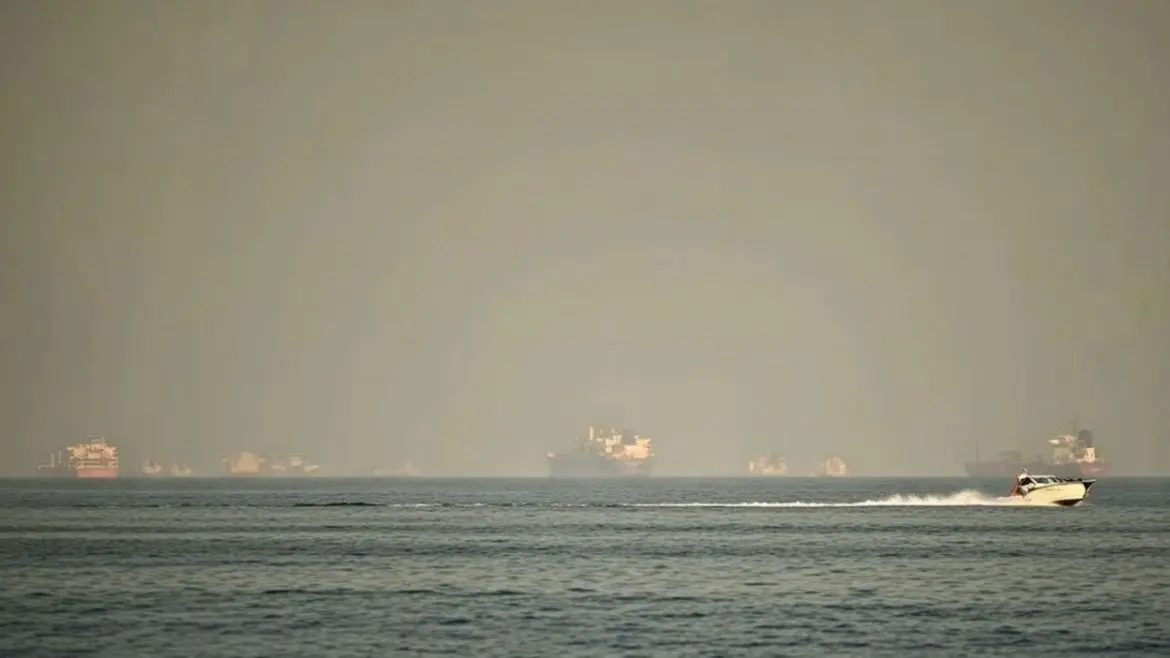
The initial reaction from the shipping industry was swift. We are currently seeing Oil tankers diverting from Strait of Hormuz at an alarming rate. Major shipping conglomerates are instructing their captains to drop anchor in safe waters outside the Gulf or reroute entirely, despite the massive logistical costs.
For those following the live updates, the WSJ tankers divert Strait of Hormuz live coverage has painted a chaotic picture of the region’s shipping lanes. Vessels are looping in holding patterns, waiting for clarity from naval authorities. Every hour a tanker sits idle, the global supply chain tightens, placing immediate upward pressure on a volatile oil price.
The Strait of Hormuz Closure Threat 2026
The ultimate nightmare scenario for the global economy is a complete blockade. The Strait of Hormuz closure threat 2026 is currently being treated as a highly credible risk by defense analysts. If the Strait of Hormuz becomes entirely impassable, millions of barrels of oil will be instantly trapped in the Persian Gulf. There are very few alternative pipeline routes available that can handle that sheer volume of crude, meaning a closure would lead to an unprecedented global energy shortage overnight.
The Ripple Effect on Energy and Oil
For U.S. readers, the most pressing questions involve the cost of energy. How does a conflict thousands of miles away change what you pay in your hometown?
How Will US Strikes on Iran Affect Oil Prices?
People are actively searching: How will US strikes on Iran affect oil prices? The answer lies in the basic principles of supply and demand. The global oil market relies on a steady, predictable flow of barrels. When that flow is threatened, traders bid up the price of available oil to secure their inventory. Consequently, Iran oil prices and the broader Middle Eastern crude benchmarks have surged.
Because the Strait of Hormuz is central to this supply, any threat to it causes an immediate risk premium to be added to the cost of a barrel.
Brent Crude Oil Price Jump Iran Conflict
We have already witnessed a massive Brent crude oil price jump Iran conflict-style spike. Brent crude, the global benchmark for oil, surged aggressively within hours of the first missile reports. If you check the oil prices today, you will see heightened volatility that has not been present in the markets for several years. This jump reflects the market’s fear that the Iran energy markets and broader Gulf supplies could be taken offline for an extended period.
Will Gas Prices Go Up After Iran Strikes?
The question on every American driver’s mind is: Will gas prices go up after Iran strikes? Unfortunately, the answer is highly likely. It generally takes a few weeks for a spike in crude oil prices to trickle down to the local gas station pump. However, if the Strait of Hormuz remains a high-risk zone and tankers continue to divert, the supply of refined gasoline in the U.S. will tighten. Consumers should budget for elevated prices at the pump as we move into the spring and summer driving seasons.
Financial Fallout: Wall Street on Edge
The impact of the Strait of Hormuz crisis extends far beyond the energy sector. Wall Street is watching the situation with intense scrutiny.
Stock Market Impact and Safe Havens
The overall Stock market impact has been decidedly negative for equities. Uncertainty is the enemy of the stock market. When investors are unsure if a regional conflict will spiral into a broader war, they tend to sell riskier assets like tech stocks and consumer discretionary shares.
As they pull their money out of equities, investors historically rush toward “safe haven” assets to protect their wealth. Unsurprisingly, the price of gold has spiked alongside oil. Gold is traditionally viewed as a reliable store of value during times of intense geopolitical strife and inflation fears.
Stock Market Futures After US Strikes Iran
The overnight trading sessions have been incredibly turbulent. The Stock market futures after US strikes Iran tumbled sharply, indicating broad sell-offs at the opening bell. Watching the CNBC markets brace for impact US Iran strikes coverage reveals a financial sector deeply concerned about how sustained energy inflation might force the Federal Reserve to alter its interest rate policies.
Navigating the Broader Economic Impact
We are currently witnessing a textbook example of a Middle East conflict oil supply chain disruption. The modern global economy operates on a “just-in-time” delivery model. Refineries rely on tankers arriving from the Strait of Hormuz right on schedule to process crude into plastics, fertilizers, jet fuel, and gasoline.
The overall Economic impact of US Iran conflict will be determined by how long this disruption lasts. A brief skirmish followed by a de-escalation would likely see the Strait of Hormuz return to normal traffic, allowing prices to stabilize. However, a prolonged standoff will force shipping companies to permanently reroute, adding weeks to delivery times and drastically increasing shipping insurance premiums.
Listening to the recent NPR Iran strikes oil and energy markets analysis, economists warn that a sustained increase in energy costs will inevitably lead to broader inflation. Everything from the cost of delivering groceries to the price of airline tickets is tied to the price of fuel passing through the Strait of Hormuz.
Conclusion
The situation surrounding the Strait of Hormuz in early 2026 serves as a stark reminder of how interconnected our modern world truly is. A military engagement in the Middle East has an undeniable, direct line to the economic well-being of the American consumer.
As the US military strikes against Iran 2026 narrative continues to unfold, the world waits with bated breath to see if diplomacy can restore safe passage for the massive oil tankers currently lingering outside the Gulf. Until the Strait of Hormuz is definitively declared safe for commercial transit, we can expect continued volatility in the stock market, elevated prices at the gas pump, and a tense atmosphere in global energy trading. Keeping a close eye on the news and understanding the mechanics of this critical waterway will help U.S. consumers better prepare for the economic ripple effects to come.
Frequently Asked Questions (FAQs)
What is the Strait of Hormuz and why is it so important? The Strait of Hormuz is a narrow maritime chokepoint between the Persian Gulf and the Gulf of Oman. It is arguably the most important oil transit chokepoint in the world, with roughly 20% of global oil consumption passing through it daily.
How do US strikes on Iran impact everyday Americans? The primary impact on U.S. consumers is through the energy markets. Because the strikes threaten the Strait of Hormuz, global oil prices spike. This inevitably leads to higher gasoline prices at local pumps and potential increases in the cost of goods due to higher shipping and transportation costs.
Are commercial ships still traveling through the strait? Currently, many shipping companies are pausing operations or diverting their vessels away from the Strait of Hormuz to avoid the active conflict zone, leading to significant delays in global oil deliveries.
Will gas prices go up significantly? While immediate spikes are often reactionary, if the Strait of Hormuz closure threat 2026 persists and oil supplies are genuinely disrupted for an extended period, consumers will very likely see a noticeable and sustained increase in gas prices.
Why is the stock market falling while gold is rising? Geopolitical uncertainty causes investors to panic-sell stocks (equities) out of fear of an economic slowdown caused by high energy prices. Conversely, they buy gold, which is traditionally seen as a stable, safe-haven asset during times of global crisis.
Visit Vic Waves for the latest trending USA news, updates, and insights you may have missed today, and more stories.