

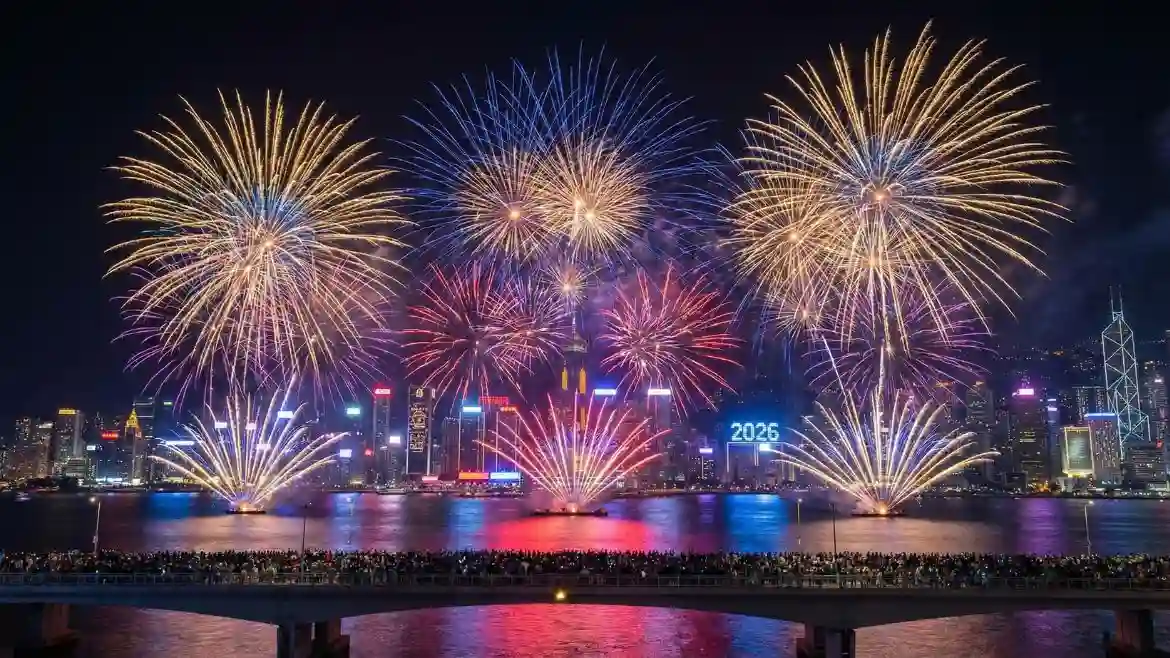
As the calendar turns, the spirit of Año Nuevo sweeps across the United States, blending American pop culture with vibrant Latino traditions. This article explores the unique ways the New Year is celebrated, from the bustling streets of New York City to the sunny shores of Miami. We delve into the “12 grapes” tradition, the rise of drone shows, and how 2026 was welcomed globally. Whether you are looking for cultural insights or a recap of the festivities, join us as we break down the magic of this global holiday.
Table of Contents
- Introduction
- The Meaning of Año Nuevo in the USA
- The Big Apple Celebration: Año Nuevo en New York
- Latin Traditions: Grapes, Colors, and Suitcases
- Global Kickoff: How the World Welcomed 2026
- New Year’s in New Zealand and Australia
- Modern Spectacles: Fireworks and Drones
- Family, Food, and the Morning After
- Conclusion
- Frequently Asked Questions (FAQs)
Introduction
There is a specific electric energy that fills the air when December 31st rolls around. In the United States, a melting pot of cultures, the celebration of the New Year is often referred to affectionately by its Spanish name, Año Nuevo. It is a phrase that signals not just a change on the calendar, but a vibrant cultural crossover that has become a staple of the American holiday experience. Whether you are shouting “Happy New Year” or “Feliz Año Nuevo,” the sentiment remains the same: hope, renewal, and a really good party.
The arrival of 2026 was no exception. From coast to coast, families and friends gathered to say goodbye to the old year. But Año Nuevo is more than just a countdown; it is a tapestry of rituals, superstitions, and joyful chaos. In this guide, we will take a closer look at how Año Nuevo is celebrated in the U.S., highlighting the specific traditions that make it unique and seeing how it compares to the massive New Year’s 2026 celebrations that took place around the globe.
The Meaning of Año Nuevo in the USA
For millions of Spanish speakers and bicultural families in the US, Año Nuevo represents a time of deep spiritual and familial connection. Unlike the often boozy, friend-centric parties typical of mainstream American culture, Año Nuevo often centers around the familia. The house is cleaned from top to bottom to sweep out negative energy, and the kitchen smells of tamales, pork roast, or lentils.
In cities with large Latino populations like Los Angeles, Miami, San Antonio, and Chicago, the phrase Año Nuevo is as common as “Merry Christmas.” It signifies a bridge between the American dream and ancestral roots. It is about honoring where you came from while looking forward to where you are going. This cultural fusion has enriched the American holiday landscape, introducing fun and meaningful Cultural New Year rituals to a wider audience. If you have ever seen someone running around the block with a suitcase at midnight, you have witnessed the magic of Año Nuevo in action.
The Big Apple Celebration: Año Nuevo en New York
There is perhaps no place on Earth more synonymous with New Year’s Eve than Times Square. However, celebrating ano nuevo en new york offers a unique flavor. While the world watches the ball drop on TV, the streets of NYC neighborhoods like Washington Heights, Queens, and the Bronx are alive with their own rhythm.
For New Year’s 2026 celebrations, the city was a spectacle of lights. In Latino communities across New York, the party often spills onto the sidewalk (weather permitting!). Salsa, Bachata, and Reggaeton blast from apartment windows. Celebrating Año Nuevo in the city that never sleeps is an endurance sport. The festivities often go well past sunrise, with hot chocolate and churros serving as the fuel to keep going.
The blend of the iconic Times Square countdown with the local, community-driven parties makes ano nuevo en new york a bucket-list experience. It is a reminder that while the ball drop is the main event for the cameras, the real heart of Año Nuevo beats in the living rooms and community centers where families gather to toast the future.
Latin Traditions: Grapes, Colors, and Suitcases
One of the most charming aspects of celebrating Año Nuevo is the superstitious traditions designed to bring luck. If you want to ensure 2026 is your best year yet, you might want to adopt a few of these Global New Year’s traditions.
The 12 Grapes of Luck
As the clock strikes midnight, silence falls over the room—not for a moment of prayer, but for frantic chewing. The tradition of eating 12 grapes (one for each chime of the clock) is essential for a prosperous Año Nuevo. Each grape represents a month of the year. If the grape is sweet, that month will be good; if it is sour, watch out!
Underwear Color Matters
In the world of Año Nuevo, your outfit isn’t just fashion; it is a spell. The color of your underwear is believed to determine your fate for the coming year.
- Yellow: Worn for prosperity and wealth.
- Red: Worn for love and passion.
- White: Worn for peace and health.
The Suitcase Run
Do you want to travel more in 2026? Then you better grab your luggage. One of the funniest sights during Año Nuevo is watching people run out of their front door with an empty suitcase. The belief is simple: take your suitcase for a walk around the block, and you will go on many trips in the Año Nuevo.
Global Kickoff: How the World Welcomed 2026
While the US waits for its turn, the party starts hours earlier on the other side of the planet. Tracking the Año Nuevo celebrations across time zones is a modern tradition in itself.
New Year’s in New Zealand and Australia
The honor of kicking things off usually goes to Oceania. New Year’s in New Zealand set the tone for 2026 with a stunning light show off the Sky Tower in Auckland. It was the first major signal that Año Nuevo had arrived.
Shortly after, all eyes turned to Australia. Sydney New Year’s Eve 2026 was, as always, a masterclass in pyrotechnics. The Sydney Harbour Bridge erupted in light, reflecting off the water below. For many Americans waking up early on December 31st, watching the clips of Sydney is the official start of the anticipation for their own Año Nuevo.
Modern Spectacles: Fireworks and Drones
The visual landscape of Año Nuevo is evolving. While we all love a good explosion, technology is changing the sky. New Year’s Eve fireworks 2026 were spectacular, but they had competition.
Drone shows New Year’s Eve displays are becoming increasingly popular, offering a quieter, eco-friendly, and visually precise alternative to fireworks. In 2026, several cities integrated drones to form countdown clocks, flags, and messages of hope in the sky. However, the boom of fireworks remains the heartbeat of Año Nuevo. There is a primal joy in the noise and the color that drones haven’t quite replaced yet. Whether it is a massive municipal display or a neighbor setting off firecrackers in the driveway, the noise is intended to scare away bad spirits and welcome the Año Nuevo with a bang.
Family, Food, and the Morning After
Once the countdown is over, the hugs are exchanged, and the “Feliz Año Nuevo” wishes are shouted, the focus shifts to food. In many households, dinner is served after midnight.
The menu for Año Nuevo is rich and heavy. Traditional dishes like pozole (hominy soup), roast pork, and lentils (for wealth) are staples. It is a time for storytelling, catching up with cousins you haven’t seen in months, and enjoying the warmth of togetherness.
The morning of January 1st is universally quiet. The streets are empty, and households are sleeping off the festivities. This quiet start to the Año Nuevo is almost as important as the party itself. It is a day for leftovers, football games, and the slow, steady realization that a fresh chapter has begun.
Conclusion
Año Nuevo is more than just a date on the calendar; it is a feeling. It is the collective optimism of millions of people believing that the next 365 days can be better than the last. Whether you spent New Year’s 2026 celebrations watching the ball drop in Times Square, running around the block with a suitcase, or simply hugging your loved ones on the couch, you participated in a global ritual of hope.
As we settle into 2026, the spirit of Año Nuevo encourages us to keep that energy alive. It reminds us that renewal isn’t just for one night a year. So, grab your grapes, wear your lucky colors, and embrace the possibilities. From our family to yours, we wish you a prosperous, healthy, and happy Año Nuevo.
Frequently Asked Questions (FAQs)
Q: Why is it called Año Nuevo? A: Año Nuevo is simply the Spanish translation for “New Year.” In the U.S., it is widely used to refer to the holiday, especially within Hispanic communities or to describe specific Latin American traditions associated with the eve.
Q: What is the tradition of the 12 grapes? A: This is a popular tradition where people eat one grape for each of the 12 bell strikes at midnight. Each grape represents good luck for one month of the Año Nuevo.
Q: Where was the first major celebration for 2026? A: The celebrations kicked off with New Year’s in New Zealand, followed closely by the iconic Sydney New Year’s Eve 2026 fireworks in Australia.
Q: What colors should I wear for Año Nuevo? A: Traditions vary, but generally, yellow underwear is worn for money and luck, red for love, and white for peace and health in the Año Nuevo.
Q: Are drone shows replacing fireworks? A: While Drone shows New Year’s Eve are growing in popularity due to being eco-friendly and customizable, New Year’s Eve fireworks 2026 remained the dominant form of celebration globally.
Visit Vic Waves for the latest trending USA news, updates, and insights you may have missed today, and more stories.