

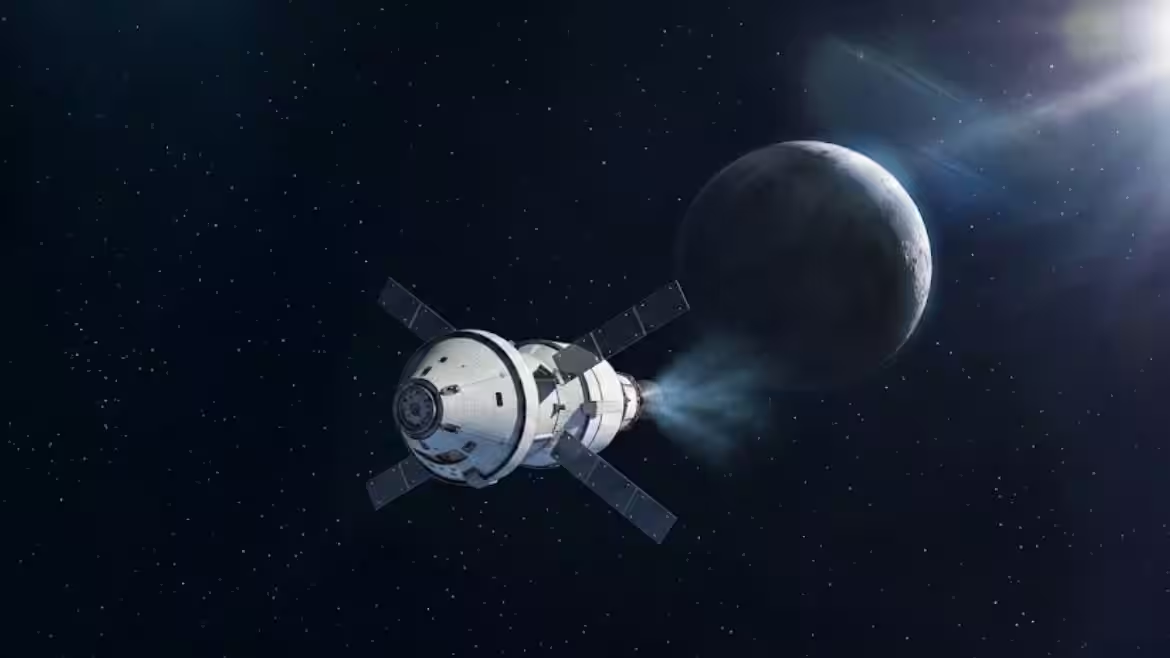
NASA Orion splashdown photos from Artemis II show a remarkably precise Pacific Ocean return and an encouraging first look at the spacecraft’s heat shield. The crewed lunar flyby ended safely on April 10, 2026, but engineers are still reviewing several hardware concerns, including a helium leak, oxygen pressurization issue, and minor waste system problems. The mission succeeded, but Artemis III depends on what NASA learns next.
Table of Contents:
- Orion Photos Show a Bullseye Pacific Return
- Heat Shield Looks Stronger After Artemis I Concerns
- Helium Leak Puts Pressure on Orion Engineers
- Space Plumbing Problems Add Lessons for Long Missions
- Artemis III Depends on the Data Now Under Review
- NASA Orion Splashdown Photos FAQ
NASA Orion splashdown photos captured the ending every space agency wants: a crew capsule floating safely in the Pacific after a high-speed return from deep space. Artemis II brought astronauts Reid Wiseman, Victor Glover, Christina Koch, and Jeremy Hansen home after NASA’s first crewed lunar flight in more than 50 years.
The mission was a major win, but not a clean victory lap. NASA now has to study the hardware closely before moving toward Artemis III, because small spacecraft problems can become serious risks on longer lunar missions.
ORION PHOTOS SHOW A BULLSEYE PACIFIC RETURN
Orion splashed down just 2.9 miles from its target zone, an impressive mark after a lunar-return reentry. That level of precision matters because future missions will need dependable recovery planning, especially when astronauts return from deeper, longer flights.
The splashdown photos also gave engineers an early visual record of how the capsule handled reentry, ocean impact, and recovery conditions. Those images are not just publicity shots; they are part of the postflight inspection trail.
HEAT SHIELD LOOKS STRONGER AFTER ARTEMIS I CONCERNS
The biggest relief came from Orion’s heat shield. After Artemis I showed unexpected charring and material loss, NASA adjusted its return strategy and watched this crewed reentry closely.
Initial inspections suggest the Artemis II heat shield performed far better, with reduced char loss and no unusual visible conditions. Still, NASA will continue deeper scans before declaring the issue fully closed.
HELIUM LEAK PUTS PRESSURE ON ORION ENGINEERS
NASA is also reviewing an internal helium leak connected to Orion’s oxygen pressurization system. The issue did not endanger the Artemis II crew, but it cannot be ignored before future missions.
The challenge is that some affected hardware is not recovered after reentry. That means engineers must rely heavily on flight data logs, pressure readings, and system behavior to redesign or verify the suspect components.
SPACE PLUMBING PROBLEMS ADD LESSONS FOR LONG MISSIONS
The crew also dealt with smaller but irritating waste system problems. Reports pointed to issues involving a urine vent line and frozen waste-related hardware that required crew attention during flight.
That may sound minor compared with reentry, but it is not trivial. Human spaceflight depends on boring systems working every day, especially when crews are far from Earth with no quick rescue option.
ARTEMIS III DEPENDS ON THE DATA NOW UNDER REVIEW
Artemis II proved that Orion can carry humans around the Moon and bring them home safely. The next step is harder because Artemis III must support the larger goal of testing the systems needed for a lunar landing campaign.
NASA’s summer analysis will shape hardware changes, mission rules, and risk decisions. If the heat shield scans, helium leak review, and life-support checks satisfy engineers, Artemis III can move forward with stronger confidence.
NASA ORION SPLASHDOWN PHOTOS FAQ
What do NASA Orion splashdown photos show?
They show Orion floating safely after Artemis II’s Pacific Ocean return.
Was Artemis II successful?
Yes. The mission met its main crewed lunar flyby and return goals.
Did Orion have heat shield damage?
Initial checks showed improved heat shield performance compared with Artemis I.
What problems did Orion have?
NASA is reviewing a helium leak, pressurization concerns, and waste system issues.
If you’re searching for Web Development, AI Automation, or AWS Cloud Architecture services, visit Shabihaz for expert solutions. Don’t forget to explore VicWaves for the latest trending USA news, updates, and important stories.